ENDE
Explore our specialized inventory of Thermoplastic Polyurethane (TPU) inner tubes, flexible pneumatic hoses, and engineered tire sealant formulas formulated for the demanding Australian market.
The rapid expansion of Victoria’s micro-mobility sector, commercial cargo logistics, and agricultural transportation has accelerated the demand for high-grade chemical sealants and advanced pneumatic tubing systems. As Melbourne advances its integrated cycling transport networks across Port Phillip Bay, the Yarra River corridors, and urban regional interfaces, maintenance efficiency and zero-downtime tire operations have transitioned from consumer conveniences to operational imperatives for commercial fleets.
This technical document examines the engineering parameters governing next-generation liquid tire sealants, the mechanical polymer interaction between Thermoplastic Polyurethane (TPU) inner tubes and chemical suspension fluids, and the strategic advantages of factory-direct OEM procurement for Australian distributors and industrial fleet managers.
Conventional tire sealants relied heavily on natural latex emulsions suspended in high-ammonia aqueous solutions. While effective in standard rubber inner tubes, these legacy formulations present significant operational flaws when introduced into the modern Australian climate. Ammonia-laden sealants cause rapid degradation of aluminum rim beds, induce valve core corrosion, and chemically destabilize modern synthetic inner tubes.
Advanced factory-grade tube sealants engineered for the Melbourne market utilize non-toxic, mono-propylene glycol bases coupled with multi-layered synthetic micro-fibers (including aramid and micro-polyester filaments). Upon pneumatic depressurization caused by a sharp object breach (such as Melbourne box-thorn prickles, glass shards on urban tram tracks, or construction metal debris):
For decades, synthetic butyl rubber served as the global standard for inner tube manufacturing. However, butyl’s high rotational mass, vulnerability to pinch flats (snakebites), and rapid thermal degradation under prolonged Australian summer temperatures have constrained efficiency. Thermoplastic Polyurethane (TPU) represents a fundamental paradigm shift in pneumatic engineering.
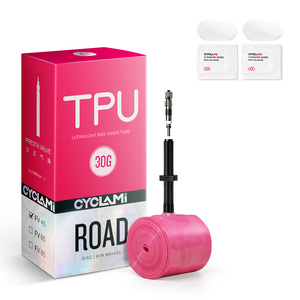
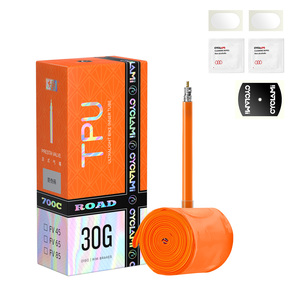
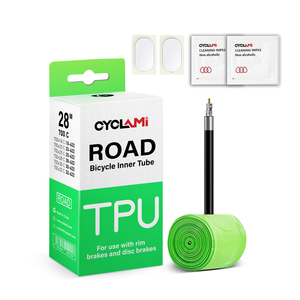
Engineered in European and specialized Asian automated facilities, TPU features an exceptionally tight molecular structure. At a wall thickness of merely 0.15mm to 0.3mm, a TPU tube delivers twice the puncture resistance of a standard 0.9mm butyl tube while reducing static weight from ~100 grams down to 23–38 grams per unit.
| Performance Parameter | Standard Butyl Tube | Liquid-Filled Butyl Tube | OEM TPU Tube + Fiber Sealant |
|---|---|---|---|
| Average Unit Weight (700x28c) | 105g - 120g | 220g - 250g | 38g - 68g |
| Rotational Mass Acceleration Impact | Baseline | Severe Drag (+110%) | Optimized (-65% Mass) |
| Snakebite / Pinch Flat Resistance | Low | Moderate | Extreme (High Elasticity) |
| Thermal Stability (Victoria Summer Peak) | Brittle over 45°C | Evaporates / Dries in 3 months | Stable up to 60°C (12-Mo Fluidity) |
| Puncture Self-Healing Diameter | 0mm (Immediate Deflation) | Up to 3mm | Up to 7mm Instant Seal |
| Environmental Recyclability | Non-recyclable waste | Hazardous liquid contamination | 100% Recyclable Thermoplastic |
From dense urban commuting grids to rugged regional Australian tracks, our tube sealants and TPU tubing systems are engineered to meet specialized environmental challenges.
Melbourne's extensive tram track networks present unique puncture hazards, including sharp metal flakes, glass fragments along Swanston and Collins Streets, and harsh rail-edge pinch forces. Pre-injected TPU sealant tubes prevent instantaneous flat tires, allowing food delivery fleets and bicycle couriers to operate continuously without service interruptions.
Riders navigating the gravel trails of the Yarra Valley, Dandenong Ranges, and the Grampians encounter harsh Australian vegetation, most notably three-corner jacks (Caltrop) and box-thorns. Our factory micro-fiber tube sealants react instantly to thorn penetrations, sealing holes up to 7mm in diameter without requiring trail-side wheel removal.
E-cargo bikes and last-mile electric delivery trikes carry high gross vehicle weights, causing severe tire bead displacement and excessive internal thermal build-up. Our specialized high-viscosity TPU formulations remain thermally stable during heavy braking heat transfers, ensuring high-pressure tire integrity under loads exceeding 180kg.
Strict environmental guidelines established by EPA Victoria are driving demand away from toxic, volatile chemical sealants. Modern procurement requirements mandate non-hazardous, micro-plastic-free formulas that dissolve safely into natural soils upon disposal without contaminating local waterways like the Yarra River.
Commercial fleet operators in Melbourne are adopting smart inner tubes equipped with integrated NFC (Near Field Communication) chipsets (such as PSENS technology). Mechanics can instantly scan tire pressure levels via mobile devices, pairing digital tracking with liquid sealant protection.
Melbourne experiences sudden heat spikes reaching up to 45°C ambient temperature. Legacy sealants skin over and dry out within weeks during hot spells. Next-generation factory liquid formulas utilize anti-evaporative synthetic carriers that maintain fluid suspension for up to 12 months in harsh UV and heat environments.
Partnering directly with automated production facilities grants Australian wholesalers, retailers, and commercial OEMs complete transparency, quality control, and custom branding options.
Every TPU tube is manufactured using high-frequency thermal welding technology. Unlike manual glue joints prone to failure under elevated pressure, our automated seams maintain tensile strength equal to the virgin tube material itself.
We offer tailored OEM viscosity blends, micro-fiber concentration ratios, and private-label packaging for Melbourne distributors, allowing regional brands to deploy targeted products matching exact consumer price points.
TPU inner tubes occupy less than 25% of the physical volume of traditional butyl tubes. Australian importers dramatically reduce freight container costs, sea freight expenses, and warehouse shelf storage requirements.
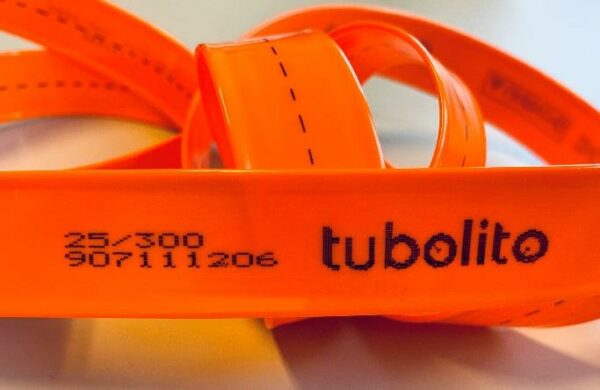
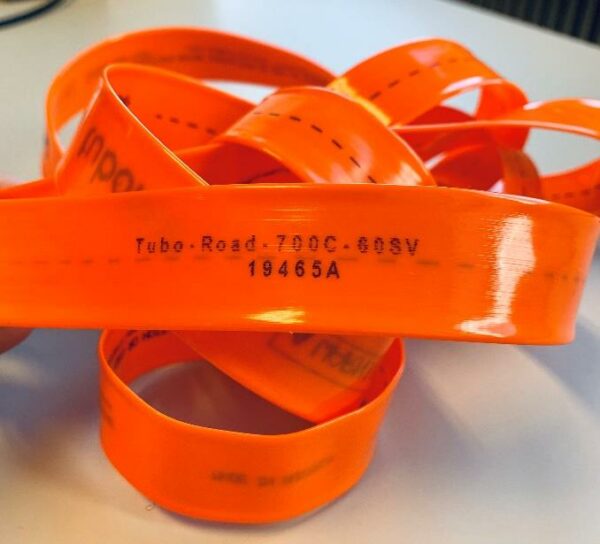
To ensure uncompromising E-E-A-T (Experience, Expertise, Authoritativeness, and Trustworthiness) compliance for enterprise buyers, every single production unit features laser-printed dual identification tracking. This enables immediate batch verification, quality auditing, and transparent feedback loops across the Australian supply chain.
Technical and logistical insights for procurement managers, bike shop owners, and OEM partners in the Melbourne market.