
ENDE
High-tensile TPU inner tubes, anti-puncture liners, and pneumatic polyurethane hoses engineered for export excellence.
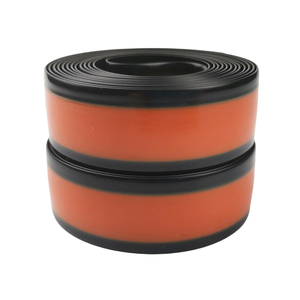
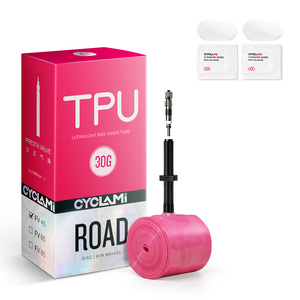
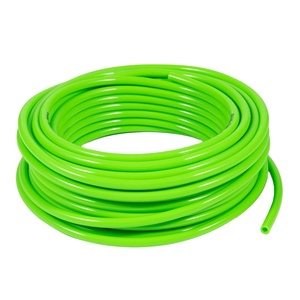
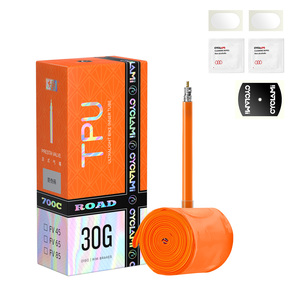
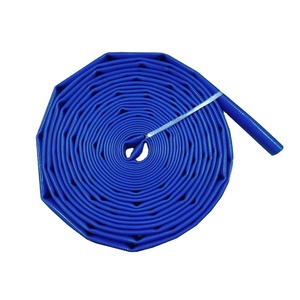
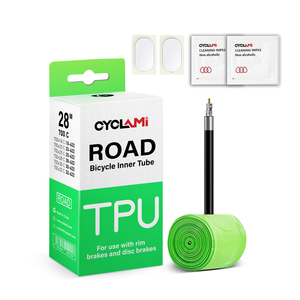
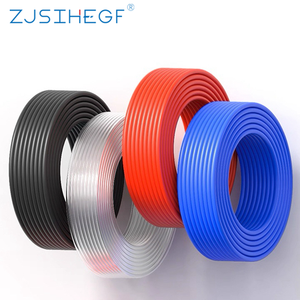
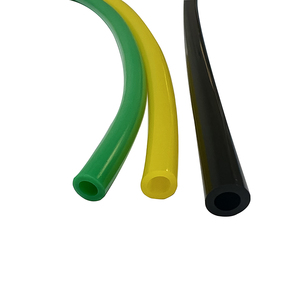
Brazil represents one of the most dynamic, demanding, and geographically expansive markets for bicycle touring, commercial logistics, urban micro-mobility, and industrial fluid transfer in Latin America. From the high-humidity coastal highways of the Rodovia dos Imigrantes and BR-101 to the rugged, unpaved gravel trails of the Serra da Mantiqueira and the interior agricultural expanses of Mato Grosso, pneumatic equipment and inner tubes face unprecedented operational stress.
Traditional vulcanized butyl rubber tubes, which have dominated the Brazilian import market for decades, are increasingly failing to meet the rigorous demands of modern B2B distributors, commercial fleet operators, and high-performance cyclists. Thermoplastic Polyurethane (TPU) technology has emerged as the definitive benchmark for touring tubes and industrial hoses entering the Brazilian port hubs of Santos, Paranaguá, and Navegantes.
As a leading export-oriented manufacturing partner specializing in extruded TPU polymers, our facility engineers high-tenacity, ultra-lightweight, and puncture-resistant touring tubes specifically customized for Mercosur trade standards, INMETRO regulatory mandates, and Brazilian road topographies.
To understand why TPU touring tubes provide a decisive competitive edge for Brazilian importers and distributors, it is essential to evaluate the material science driving polymer performance under tropical thermal stress and physical deformation.
Standard butyl rubber relies on heavy wall thicknesses (typically 0.9mm to 1.2mm) to achieve baseline puncture resistance. In contrast, high-density extruded Thermoplastic Polyurethane achieves superior structural integrity at wall thicknesses as thin as 0.15mm to 0.3mm. TPU’s long-chain molecular elasticity allows it to stretch and deform around sharp obstacles—such as thorns, glass shards, and unpaved gravel debris ubiquitous on Brazilian secondary roads—without experiencing localized shear failure or snakebite pinch flats.
Brazil’s climate zones present extreme challenges. Surface road temperatures in regions like the Northeast (Nordeste) often exceed 50°C (122°F), accelerating thermal oxidation and sulfur degradation in traditional rubber. Polymerized TPU exhibits outstanding thermal stability, retaining structural elasticity from -30°C up to +80°C. Furthermore, TPU is natively immune to ozone degradation and UV radiation, dramatically extending shelf-life in humid Brazilian warehouse facilities.
| Performance Parameter | Standard Butyl Touring Tube | Export-Grade TPU Touring Tube | B2B / Operational Impact in Brazil |
|---|---|---|---|
| Average Mass (700x28-35C) | 120g – 160g | 30g – 45g | Reduces rotational mass by ~70%, lowering freight shipping volume. |
| Tensile Strength (MPa) | 8 – 12 MPa | 45 – 65 MPa | Exceptional resistance to sharp punctures and rim pinch flats. |
| Packed Volume Reduction | Baseline (100%) | -75% Compact Footprint | Allows 4x more inventory density per shipping container. |
| Roll Resistance Dynamics | Higher hysteresis loss | Ultra-low energy loss | Higher kinetic efficiency for long-distance touring and e-bikes. |
| Air Retention & Impermeability | Moderate (Requires frequent pumping) | High Gas Barrier Density | Saves air pressure over extended multi-day touring routes. |
As a specialized exporter serving Brazilian B2B clients, we tailor our product line to address the localized requirements of distinct commercial and recreational sectors across the country:
Last-mile delivery couriers operating in dense metropolitan hubs demand zero-downtime reliability. Ultra-durable TPU tubes eliminate frequent flats caused by urban debris, ensuring maximum daily uptime for commercial fleets.
Long-distance touring routes like the Circuito Vale Europeu in Santa Catarina require ultra-lightweight spare tubes. Compact TPU tubes fit easily into jersey pockets or frame bags without adding unnecessary bulk.
The rise of electric touring and utility bikes across Brazil places high torque loads on tire casings. Reinforced TPU tubes withstand heavy wheel loads, resisting rim cut degradation under high torque accelerations.
Beyond cycling, our ester- and ether-based industrial TPU tubing supplies Brazil’s booming agribusiness hubs in Mato Grosso and industrial automation clusters in Caxias do Sul with oil-resistant, kink-proof fluid lines.
Navigating the Brazilian import landscape requires a manufacturing partner who understands both technical compliance and supply chain mechanics. Importing rubber and polymer goods into Brazil involves navigating specific customs classifications (NCM - Nomenclatura Comum do Mercosul) and import tax structures (II, IPI, PIS/COFINS, and ICMS state taxes).
Because TPU touring tubes fold into a fraction of the space required by traditional butyl tubes, international freight economics are drastically improved. A standard 40-foot High Cube (40HC) container can accommodate up to 3.8 times more TPU units than conventional butyl tubes. This significantly drops the landed freight cost per unit at Brazilian ports such as Porto de Santos and Porto de Navegantes.
We provide full OEM and ODM customization for established Brazilian distributors and brand owners. Our manufacturing lines offer:
As a dedicated global exporter, our state-of-the-art manufacturing plant utilizes precision extrusion technology imported from Germany and Japan. Every touring tube undergoing export to Brazil passes through a multi-stage quality control protocol:
Ready to elevate your product catalog with high-margin, next-generation TPU touring tubes engineered for Brazil? Connect directly with our export director and engineering team to request samples, wholesale price sheets, and OEM specifications.