
ENDE
Precision-engineered high-tensile bicycle inner tubes and specialized elastomer fluid transfer hoses designed for heavy-duty commercial, OEM, and aftermarket applications in North America.
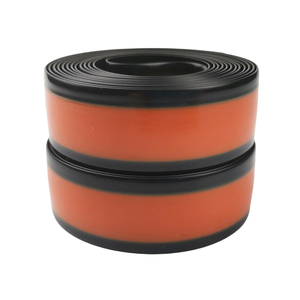
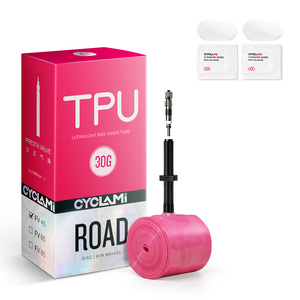
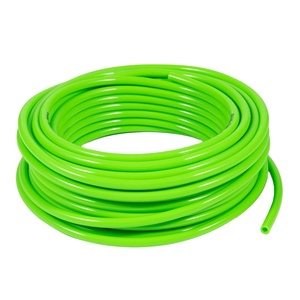
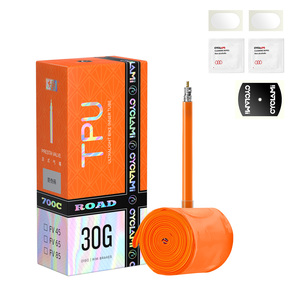
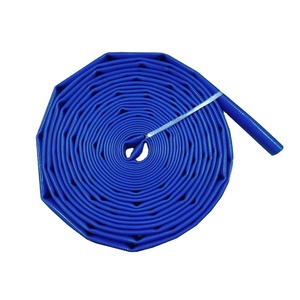
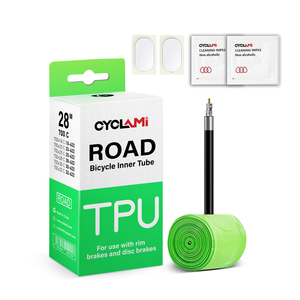
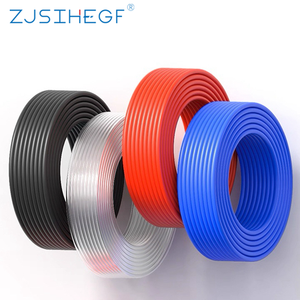
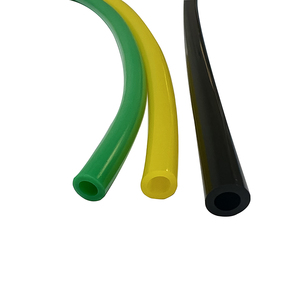
For over seven decades, vulcanized synthetic butyl rubber served as the standard medium for bicycle inner tube production across North America. However, modern off-road cycling dynamics—specifically the rise of aggressive trail riding, high-torque E-MTBs, wide rim channels, and lower inflation pressures—have exposed severe engineering limitations inherent to butyl elastomer networks.
Our engineering team systematically evaluated the microstructural stress responses of Thermoplastic Polyurethane (TPU) versus conventional Isobutylene-Isoprene Rubber (IIR) under simulated US trail strain parameters. Unlike vulcanized butyl rubber, which relies on irreversible sulfur cross-links that degrade under localized friction heat and sharp impact shear, engineered TPU features alternating soft and hard molecular segments. This block-copolymer arrangement provides exceptional strain-energy absorption, high tear-propagation resistance, and elastic recovery under high-velocity impact.
| Physical Property / Engineering Metric | Standard Butyl Rubber (IIR) | Engineered Industrial TPU | Performance Advantage |
|---|---|---|---|
| Tensile Strength (MPa) | 8.5 – 12.0 MPa | 35.0 – 52.0 MPa | +300% Structural Strength |
| Elongation at Break (%) | 450% – 550% | 600% – 750% | Superior Strain Deferral |
| Puncture Energy Absorption (J) | 0.45 Joules | 1.15 Joules | 2.5× Resistance to Thorn Penetration |
| Specific Gravity (g/cm³) | 1.15 – 1.30 | 1.12 – 1.18 | Lower Material Density |
| Wall Thickness Tolerance (mm) | 0.80mm – 0.95mm | 0.30mm – 0.45mm | 70% Reduction in Wall Volume |
| Recyclability & Thermal Reprocessing | Non-Recyclable (Thermoset) | 100% Circular Thermoplastic | Complies with US Eco Mandates |
Mountain biking environments in the United States demand specialized tube specifications due to unique geographic, geological, and climate conditions.
High density of organic sharp hazards (Cholla cactus, mesquite thorns) and abrasive sandstone ledges. TPU’s dense molecular lattice prevents micro-punctures from pin-thorns while resisting abrasive rim-shear during hard drops onto slickrock.
High humidity, low temperatures, exposed slick roots, and sharp granite shale. TPU maintains constant elasticity without cold-embrittlement at near-freezing temperatures, while preventing classic pinch-flats ("snake bites") on sudden root impacts.
Mid-drive motors in Class 1, 2, and 3 E-MTBs generate extreme instant torque (up to 90Nm+), subjecting inner tubes to torsional shear inside the casing. Our reinforced TPU formulations prevent inner valve-stem tearing under heavy rotational load.
While tubeless wheel systems dominate the US high-end mountain bike market, field data from commercial repair centers and bike park rental fleets across North America highlight a rising trend known as "tubeless fatigue." Liquid sealants dry out every 3 to 6 months, create messy maintenance cycles, degrade under high temperatures in Southern states, and frequently fail when sidewalls suffer tears wider than 3mm.
As a result, professional US riders and bikepacking enthusiasts carry ultralight TPU tubes as their definitive emergency backup. Because a 29" TPU MTB tube weighs as little as 42g–78g and packs down to the size of an espresso cup, it frees up critical saddlebag and hydration pack space without compromising structural strength when deployed on the trail.
Legislative frameworks in states like California (Prop 65 and extended producer responsibility acts) are forcing bicycle brands and importers to re-evaluate thermoset rubber waste. Vulcanized butyl tubes cannot be remelted and end up in US municipal landfills. In contrast, our TPU tubes are composed of 100% recyclable thermoplastic polyurethane elastomers, aligning perfectly with corporate ESG mandates for US distributors and retail chains.
Navigating US Customs and Border Protection (CBP) tariffs is paramount for North American importers. Traditional rubber tubes fall under HTS Code 4013.90 (subject to specific rubber product tariffs), whereas thermoplastic polyurethane tubing products benefit from distinct classification parameters under Chapter 39 (Plastic/Elastomer products: HTS 3917.32). Working with an established manufacturer guarantees accurate documentation, material certification, and streamlined customs clearance.
Engineered under stringent European precision standards and produced in high-capacity cleanroom extrusion facilities.
Eliminates weak glue seams. Our proprietary high-frequency ultrasonic welding bonds the TPU tube joint seamlessly, achieving 99.4% structural strength relative to the parent film.
Precision-machined Presta and Schrader valves with reinforced resin bases prevent stem shear, leakage, and core corrosion under high pressures.
Every produced tube undergoes a strict 24-hour pneumatic pressure hold test prior to packaging. Serialized batch laser engraving guarantees full traceability.
Expand your product lineup with high-margin, puncture-resistant TPU bicycle tubes engineered for the North American market. Contact our OEM export division for wholesale pricing, sample kits, and factory specification sheets.