
ENDE
Certified industrial components, localized spare kits, and heavy-duty protective equipment tailored for harsh tropical environments.
As Central America continues its transformation into a major logistics, agricultural, and specialized manufacturing hub, the demand for high-reliability puncture protection systems across Costa Rica has escalated significantly. Operating machinery, heavy-duty logistics fleets, port operations, and eco-tourism transport under Costa Rica's intense tropical microclimates presents extreme operational challenges. High ambient temperatures, perpetual humidity, volcanic terrain, and high-frequency rainfall accelerate structural degradation in standard elastomer components, creating severe friction and puncture vulnerabilities.
This industry analysis examines the scientific advancements in Thermoplastic Polyurethane (TPU), advanced self-vulcanizing polymers, ultra-high molecular weight polyethylene (UHMW-PE) barrier films, and heavy-duty natural/synthetic rubber formulations engineered specifically to mitigate downtime, optimize workplace safety, and elevate operational continuity across the Costa Rican territory.
For decades, conventional butyl rubber and basic sulfur-cured elastomers served as the industrial standard for pneumatic inner tubes, protective seals, and industrial barrier linings. However, field data gathered across agricultural zones in Alajuela and maritime terminals in Puerto Limón demonstrate that traditional materials suffer from high permeability, micro-cracking due to UV ozone degradation, and low resistance to sharp mechanical shear forces.
Engineered polymer compounds such as Thermoplastic Polyurethane (TPU) allow for wall-thickness reductions of up to 65% while simultaneously yielding twice the tensile strength of standard vulcanized butyl. TPU’s molecular structure possesses high crystalline segment density, providing exceptional resistance against snakebite pinch-flats, sharp thorn penetration, and abrasive shearing forces common in Costa Rica’s agricultural hinterlands.
To quantify the technical superiority of next-generation puncture barrier technologies, consider the physical property comparisons detailed below:
| Performance Metric | Standard Butyl Rubber | High-Tech TPU Polymer | Self-Vulcanizing Strips | ISO Heavy Rubber (Airbags) |
|---|---|---|---|---|
| Tensile Strength (MPa) | 8 - 12 MPa | 35 - 55 MPa | 15 - 20 MPa | 21 - 25 MPa |
| Elongation at Break (%) | 400% | 600% - 750% | 500% | 450% |
| Tear Propagation Resistance | Low | Extremely High | Medium (Self-Healing) | Ultra-High (Reinforced) |
| Tropical Humidity Degradation | High (Ozone Cracking) | Zero (Hydrolysis Resistant) | Low | Low (Protective Coating) |
| Weight Efficiency | Baseline (100%) | Up to 75% Lighter | N/A | Heavy-Duty Scaled |
Puncture protection is not a single-product market; it demands hyper-specialized solutions configured for Costa Rica’s specific industrial sectors:
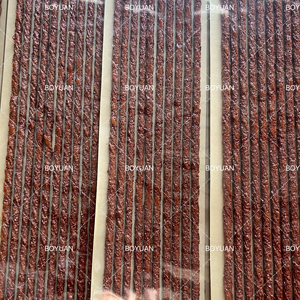
In the vast pineapple and banana plantations across Sarapiquí and the San Carlos region, heavy agricultural machinery operates continuously on unpaved, mud-slicked paths peppered with sharp organic debris and rocks. Tire punctures on tractors and transport trailers lead to immediate supply chain bottlenecks. Installing heavy-duty run-flat inserts and utilizing commercial self-vulcanizing emergency repair tire strips reduces operational downtime by providing immediate on-field sealing capabilities without requiring wheel disassembly.
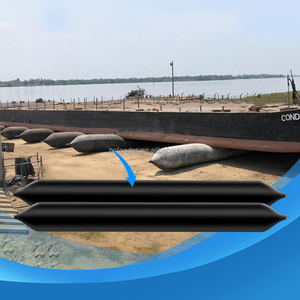
With Costa Rica’s expansion of maritime freight infrastructure, shipyards and dock facilities require extreme load-bearing launching rollers. ISO14409 certified marine rubber launching airbags engineered with multi-layer high-strength synthetic tire-cord fabric provide puncture-proof buoyancy and rolling friction reduction during vessel launching, dry-dock hauling, and heavy structural transport along coastal shorelines.
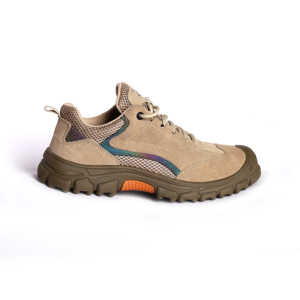
The rise of high-tech manufacturing, medical device assembly, and industrial construction within Costa Rica’s Zona Franca (Free Trade Zones) demands rigorous Personal Protective Equipment (PPE). Puncture-proof steel-toe safety footwear incorporating high-tensile Kevlar or composite midsoles prevents nail and sharp metal penetrations, ensuring compliance with Costa Rican INS (Instituto Nacional de Seguros) occupational safety standards.
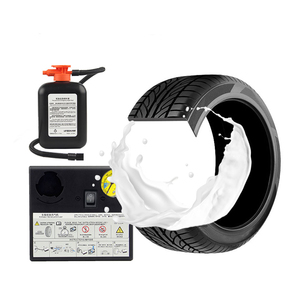
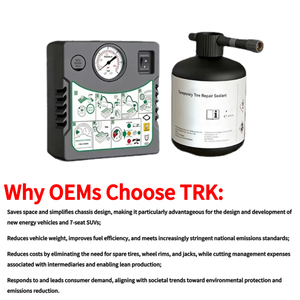
Costa Rica’s world-renowned ecotourism relies heavily on bike rentals, off-road SUV rentals, and remote shuttle transport across severe terrains such as Monteverde and the Nicoya Peninsula. Incorporating ultra-lightweight TPU inner tubes and carrying compact waterproof tire repair kits with automated mini-compressors ensures tour operators maintain 100% fleet availability without burdening vehicles with excessive spare component weight.
Procurement directors and B2B buyers in Central America are increasingly evaluating puncture protection suppliers based on three macro trends currently shaping Costa Rica's economic landscape:
Precision engineering, global compliance, and dedicated logistics support for Costa Rican industrial buyers.
Engineered under rigorous quality control standards, leveraging thermoplastic formulas that outperform standard vulcanized alternatives.
Dual batch-code printing ensures every tire seal, airbag, and safety shoe can be traced directly back to raw material lots.
Ultra-compact product footprints reduce container volume shipping costs into San José, Caldera, and Limón ports by up to 50%.
Tailored Shore hardness, puncture resistance ratings, and dimensioning to fit custom industrial equipment specifications.
Essential information regarding customs, environmental endurance, ordering protocols, and technical fitment.
Partner with a trusted international manufacturer delivering advanced puncture protection solutions directly to Costa Rica and the broader Central American region.