
ENDE
Precision-engineered inner tubes designed to eliminate flat tire downtime, resist extreme tropical humidity, and handle maximum cargo payloads across Vietnam's demanding road networks.
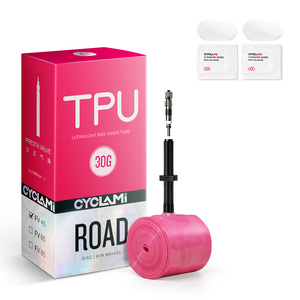
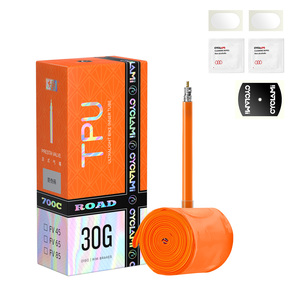
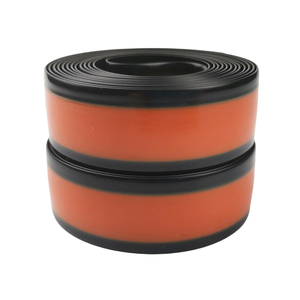
A technical assessment of payload durability, thermal elasticity, and total cost of ownership (TCO) for electric cargo fleets operating in Northern Vietnam.
 1. The Rapid Transformation of Hanoi’s Last-Mile Fleet Ecosystem
Hanoi’s urban freight transport is undergoing an extraordinary structural evolution. Driven by municipal environmental regulations, narrow historical street networks (*ngõ* and *ngách* in districts like Hoàn Kiếm, Ba Đình, and Đống Đa), and rising fuel costs, logistics operators are transitioning rapidly from traditional petrol motorbikes to heavy-duty Electric Cargo Bikes (E-Cargo Trikes and Cargo Bicycles). Commercial courier fleets, grocery delivery providers, and postal services in Hanoi rely on heavy-load micro-mobility vehicles that operate up to 14 hours per day under intense conditions.
However, traditional butyl rubber inner tubes represent a critical single-point failure for commercial operators. Traditional inner tubes suffer high rates of pinch flats (*snakebites*) when gross vehicle weights exceed 200kg on uneven cobblestone roads or potholed asphalt. Furthermore, Hanoi's severe climate—ranging from humid monsoon rainfall to high summer road temperatures reaching 60°C—accelerates butyl oxidation and valve stem degradation. As an established direct-to-factory supplier, our specialized Thermoplastic Polyurethane (TPU) E-Cargo Inner Tubes provide the exact mechanical integrity needed to eliminate unplanned fleet downtime in Northern Vietnam.
 2. Material Physics: Why TPU Outperforms Butyl in Commercial Cargo Applications
Thermoplastic Polyurethane (TPU) is an advanced class of elastomer that bridges the gap between flexible rubber and rigid plastics. Unlike conventional vulcanized rubber, which relies on chemical cross-linking that degrades under thermal stress, TPU features crystalline hard segments interspersed with soft polymer chains. This unique macromolecular architecture endows TPU with exceptional tear propagation resistance and tensile strength exceeding 50 MPa (compared to just 8–15 MPa for standard butyl).
When an E-cargo bike rolls over sharp debris—such as broken glass, construction nails, or steel street joint plates prevalent around Hanoi's urban development zones—the high-tenacity TPU wall deforms elastically without puncturing. Even when penetrated by extreme sharp objects, TPU exhibits high puncture retention, leaking air at a drastically slower rate than butyl rubber, allowing couriers to reach a depot safely without damaging carbon or alloy rims.
| Engineering Property | Standard Commercial Butyl Tube | Factory E-Cargo TPU Tube | Fleet Advantage in Hanoi Operational Conditions |
|---|---|---|---|
| Tensile Strength (MPa) | 9 – 14 MPa | 45 – 55 MPa | Resists high pressure bursts under 250kg+ loaded cargo bikes. |
| Material Thickness | 0.9 mm – 1.3 mm | 0.3 mm – 0.45 mm | Saves up to 75% weight while delivering superior wall toughness. |
| Puncture Force Resistance | Baseline (1.0x) | 2.4x to 3.0x | Dramatically reduces tire punctures from urban construction debris. |
| Thermal Stability (Asphalt Temp) | Degrades > 45°C | Stable up to 90°C | Prevents heat-induced blowouts during Hanoi's blistering June-August heatwaves. |
| Air Retention / Permeability | Moderate (Needs weekly air top-up) | Ultra-Low Gas Permeability | Maintains consistent PSI, reducing fleet maintenance cycles. |
| Environmental Degradation | Prone to ozone cracking | 100% Ozone & UV Resistant | Extended shelf-life and working lifespan in tropical environments. |
Commercial e-cargo trikes in Hanoi frequently brake under heavy weight, causing tire and tube slippage along the rim. Our factory applies a double-reinforced welded valve collar that prevents valve shear failure even under sudden stop-and-go urban traffic.
Configured specifically for humid tropical climates, our proprietary TPU formula contains heat-stabilizing additives that prevent soft-wall thinning when rim temperatures rise during continuous electric motor hub operation.
Measuring less than 30% of the volume of a traditional rolled butyl tube, our TPU cargo inner tubes allow fleet technicians and couriers to carry 2-3 spare tubes in a standard handlebar pouch without losing payload storage space.
 3. Localized Deployment Scenarios Across Hanoi's Transport Infrastructure
To understand the necessity of specialized TPU cargo tubes, one must analyze the diverse operational terrains of Vietnam's capital city. Our enterprise supplies B2B partners across multiple key zones:
Challenge: Narrow alleyways, sharp curb transitions, constant stop-and-go courier operations.
Solution: High-elasticity 20" & 24" TPU tubes that eliminate pinch flats when mounting stone curbs.
Challenge: Long distance suburban-to-urban parcel trunking with high battery discharge rates.
Solution: Low rotational mass TPU inner tubes that decrease rolling friction, extending battery range by 8-12% per charge.
Challenge: Exposure to water, organic acids, salt, and damp road surfaces.
Solution: Hydrolysis-resistant ester/ether-based TPU formulations that will not rot or weaken under wet monsoon environments.
 4. Total Cost of Ownership (TCO) Analysis for Hanoi Fleet Operators
For commercial fleet managers and B2B procurement officers in Hanoi, initial component price is only one part of the profitability equation. A single flat tire during peak delivery hours causes immediate revenue loss, missed service-level agreements (SLAs), rider downtime, and emergency dispatch maintenance costs.
By upgrading a commercial cargo fleet of 100 e-cargo bikes from standard butyl tubes to factory-grade TPU tubes, operators achieve quantifiable financial returns:
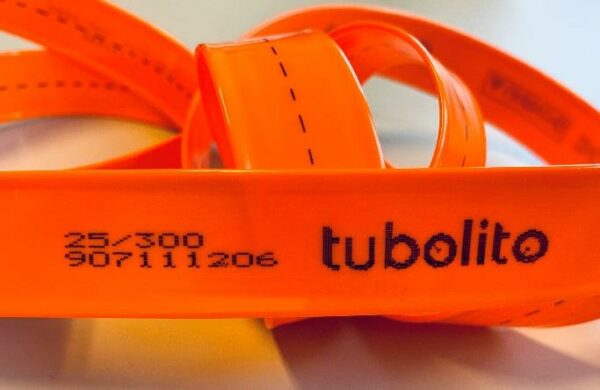
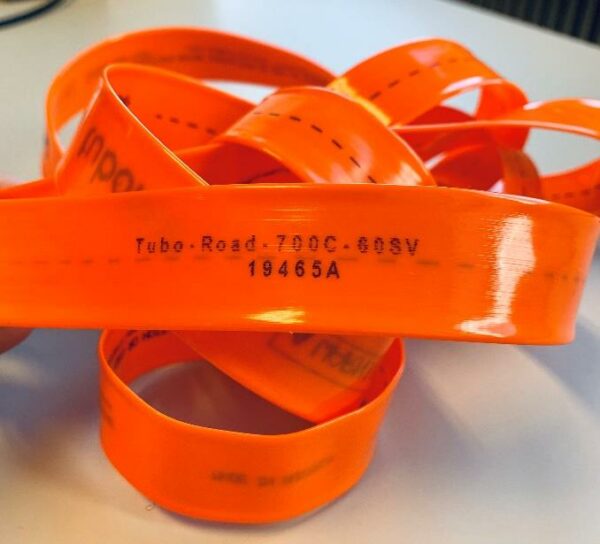
Every single E-cargo TPU inner tube manufactured in our facility undergoes rigorous multi-stage testing before export to the Vietnamese market. We implement dual-identifier traceability on every unit.
Expert technical answers for distributors, OEM manufacturers, and cargo fleet purchasers in Vietnam.