
ENDE
Engineered for high-end OEMs, regional distributors, and professional bicycle workshops in the Berlin-Brandenburg region.
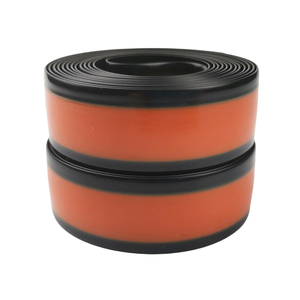
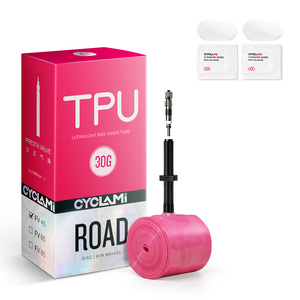
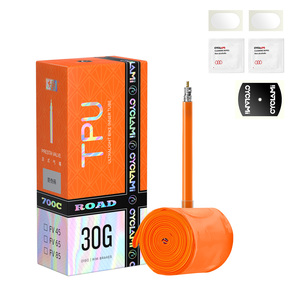
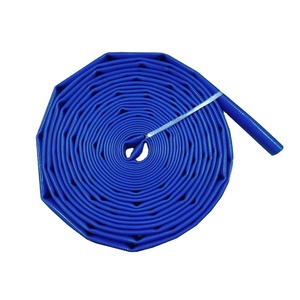
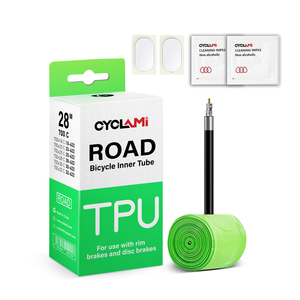
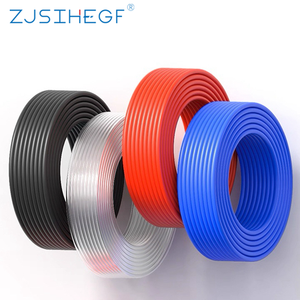
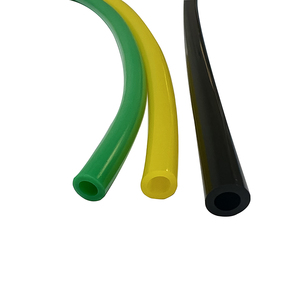
The European cycling sector is undergoing a profound structural shift driven by urban decarbonization initiatives, municipal infrastructure modernizations, and rapid technological upgrades in tire systems. As the capital of Germany and one of Europe’s primary urban cycling epicenters, Berlin represents a critical market for original equipment manufacturers (OEMs), component suppliers, and fleet operators. Under the framework of the Berlin Mobility Act (Berliner Mobilitätsgesetz) and the progressive expansion of dedicated cycling lanes (Radverkehrsnetz), demand for high-reliability, lightweight, and low-maintenance bicycle inner tubes and precision valve stems has surged to unprecedented levels.
For B2B procurement managers, bicycle brand product directors, and regional wholesalers evaluating Bike Valves Factories & Suppliers in the Berlin market, standard butyl rubber tubes combined with traditional brass valves are increasingly viewed as legacy technology. The industry benchmark has migrated toward Thermoplastic Polyurethane (TPU) elastomer tubing equipped with high-precision stem assemblies—offering up to 75% weight reduction, twice the tensile puncture resistance, and unmatched compact storage profiles.
This white paper provides a comprehensive technical audit of valve stem engineering, TPU tube manufacturing standards, localized application requirements across Berlin’s distinct urban infrastructure, and supply chain compliance guidelines under German industrial standards (DIN EN ISO 4210) and European Union directives.
A bicycle inner tube system is only as reliable as its weakest junction point: the interface between the elastomeric tube wall and the rigid valve stem housing. Traditional vulcanized rubber tubes rely on mechanical adhesion or cold-curing cements, which often deteriorate under rotational shear stress, thermal spikes from rim braking, or extreme cold weather exposure.
Thermoplastic Polyurethane is a block copolymer consisting of alternating hard and soft segments. This molecular structure gives TPU its unique combination of rubber-like elasticity and plastic-like tensile toughness. When drawn into thin-wall inner tubes (down to 0.15mm wall thickness), TPU demonstrates exceptional barrier properties against air diffusion.
In the German market, three distinct valve standards dominate, each requiring tailored factory machining tolerances and thermal sealing protocols:
To assist procurement engineers and sourcing directors in evaluating component specifications, the matrix below details key performance metrics across traditional and next-generation inner tube valve assemblies:
| Performance Metric | Standard Butyl + Brass Valve | High-Grade TPU + Anodized Aluminum Valve | Industrial TPU + Reinforced Brass Stem |
|---|---|---|---|
| Average Mass (700C / 28") | 105g – 125g | 23g – 38g (75% Savings) | 55g – 78g |
| Puncture Tensile Rating | 12 N / mm² | 48 N / mm² | 52 N / mm² |
| Air Permeability Rate | ~0.25 bar / week | < 0.05 bar / week | < 0.04 bar / week |
| Valve-to-Tube Weld Integrity | Vulcanized Rubber Patch (Prone to Shear) | High-Frequency Molecular Fusion | Direct Laser Thermal Enthalpy Bond |
| Packed Storage Volume | 180 cm³ (Fist Sized) | 45 cm³ (Pocket Sized) | 65 cm³ |
| Thermal Limits (Rim Braking) | Degrades at >130°C | Disc Brake Optimized / Safe to 160°C | Heavy-Duty Safe to 180°C |
| Recyclability & ESG | Low (Thermoset Rubber) | 100% Recyclable Thermoplastic | 100% Recyclable Thermoplastic |
Sourcing bike valves and inner tubes for the Berlin market requires an acute understanding of the local geography, riding habits, micro-climates, and municipal transport regulations. Components must be engineered to withstand rigorous daily stress tailored to specific localized environments:
Historic arterial streets across Prenzlauer Berg, Mitte, and Charlottenburg feature extensive granite cobblestone paving. High-frequency micro-impacts cause severe vibrational fatigue at the valve stem base. Premium TPU inner tubes equipped with reinforced, anti-vibration threaded lockrings and strain-relief collar bonds prevent stem shearing and premature air loss during daily urban commutes.
Berlin is at the forefront of the European commercial cargo bike boom, led by logistics hubs like Kiezrad networks and municipal postal fleets. With gross vehicle weights frequently exceeding 200 kg, cargo bike tires require valves capable of maintaining sustained 5.5–7.0 bar pressures without valve seat deformation. Heavy-duty TPU tubes with brass Schrader or reinforced Dunlop valves ensure zero pressure drop under extreme payloads.
Berlin’s vibrant road cycling and gravel scene demands race-ready componentry. Riders navigating flat, high-speed laps around Tempelhofer Feld or endurance off-road tracks through the Grunewald Forest rely on 30g ultralight TPU tubes paired with 60mm–85mm Presta valves. The dramatic reduction in rotational mass delivers sharp acceleration and effortless climbing dynamics.
Winter conditions in Brandenburg bring freezing temperatures, slush, and aggressive road de-icing salts (Magnesium Chloride). Traditional rubber valve bases harden and micro-crack at sub-zero temperatures. High-grade TPU remains flexible and elastomeric down to -30°C, while nickel-plated or anodized valve stems prevent galvanic corrosion and valve core seizing.
Sourcing bicycle components for distribution in Germany requires total compliance with statutory regulations, environmental directives, and evolving consumer standards:
Every valve stem assembly and inner tube destined for German bike assembly plants must satisfy the stringent safety requirements outlined in DIN EN ISO 4210 (City, Trekking, Mountain, and Racing Bicycles). Key testing protocols include:
With Germany enforcing the Lieferkettensorgfaltspflichtengesetz (LkSG) (Supply Chain Due Diligence Act), B2B buyers in Berlin prioritize suppliers offering fully audited, sustainable manufacturing practices. Thermoplastic Polyurethane holds a massive advantage over thermoset rubber: TPU is 100% recyclable via mechanical regrind, allowing defective tubes and production off-cuts to be re-processed into secondary industrial elastomers.
Furthermore, all components must meet EU REACH (EC 1907/2006) and RoHS chemical safety standards, guaranteeing zero hazardous plasticizers (Phthalates), Polycyclic Aromatic Hydrocarbons (PAHs), or toxic heavy metals.
As a leading developer and manufacturer of lightweight TPU inner tubes and precision valve systems, our enterprise delivers rigorous quality control, state-of-the-art thermal processing, and flexible B2B wholesale partnership structures:
Unlike conventional factories relying on manual adhesive application, our automated production lines utilize high-frequency electromagnetic welding and laser thermal enthalpy control to fuse the valve stem directly to the TPU membrane. This creates a homogeneous molecular bond, eliminating air leak pathways and reducing stress concentration points.
To support high-volume OEM partners and distributor warranties, every single tube manufactured in our facilities features two laser-etched identifiers:
907111206).19465A).This level of batch transparency allows instant quality feedback and complete accountability across European distribution channels.
Before packaging, 100% of manufactured inner tubes are inflated to baseline test pressure and stored in climate-controlled testing chambers for 24 hours. Optical pressure sensors automatically detect and reject any unit exhibiting micro-leakage exceeding 0.01 bar, guaranteeing zero-defect delivery to Berlin warehouses.
Direct answers to common procurement, custom manufacturing, and logistics questions from German bicycle brands, wholesalers, and fleet managers:
Elevate your product lineup with premium, high-margin Austrian-engineered TPU technology. Contact our OEM sales engineering team today to request product samples, factory compliance audits, and competitive wholesale pricing for the Berlin market.
Contact Us