B2B Procurement White Paper
In-Depth Analysis: Bike Tire Manufacturing & Supply Chain Infrastructure for Russia
The cycling ecosystem within the Russian Federation has undergone a dramatic structural evolution over the past decade. Driven by the rapid expansion of hyper-local urban delivery networks (such as Yandex.Eats, SberMarket, and Samokat), the growth of regional mountain biking hubs, and an unprecedented surge in winter fat-biking across Central and Northern Russia, demand for specialized bicycle tires has reached historic highs. For Russian B2B importers, regional brand owners, and wholesale distributors, securing direct manufacturing partnerships with tier-one bicycle tire factories is vital for maintaining product quality, pricing competitiveness, and uninterrupted supply chains.
1. Climate-Adapted Rubber Compound Engineering: The Sub-Zero Imperative
Standard bicycle tire formulations designed for temperate climates routinely fail when exposed to harsh winter environments in Russian cities like Novosibirsk, Ekaterinburg, Moscow, and Krasnoyarsk. Conventional synthetic rubber compounds experience severe stiffening below -15°C, resulting in glass transition embrittlement, catastrophic tread micro-cracking, and a complete loss of kinetic traction on icy asphalt.
Our specialized manufacturing process incorporates high-purity natural rubber (NR) blended with low-temperature flexible Ethylene Propylene Diene Monomer (EPDM) and specialized silica additives. This engineered formulation maintains elastomer elasticity down to -45°C. Furthermore, our anti-ozonant chemical package protects the tire carcass against indoor heating ozone degradation during winter warehouse storage.
| Technical Parameter |
Standard Tropical/Urban Compound |
Sub-Zero Cold-Climate Compound |
Commercial E-Bike Fat Tire Spec |
| Natural Rubber Content (%) |
25% – 30% |
45% – 55% |
40% – 50% |
| Glass Transition Temp (Tg) |
-15°C |
-48°C |
-38°C |
| Tread Wear Index (Durometer Shore A) |
65A – 70A |
52A – 58A (Soft Grip) |
62A – 68A (High Mileage) |
| Puncture Breaker Layer |
Standard Fabric Strip |
High-Density Nylon (EPS) |
3mm Vulcanized Kevlar Fiber |
| Sidewall Reinforcement |
Single Layer 24 TPI |
Dual Layer 60 TPI Casing |
3-Ply Heavy Duty Bead Armor |
2. The Commercial E-Bike and Last-Mile Delivery Fleet Boom
The urban transport landscape across Russian metropolitan areas is dominated by high-intensity commercial e-bikes operating 12 to 16 hours daily. Courier bikes endure extreme axle loads, frequent curb impacts, and heavy torque from hub motors. Traditional lightweight bicycle tires suffer high puncture rates, premature sidewall blowout, and rapid tread erasure under these operational loads.
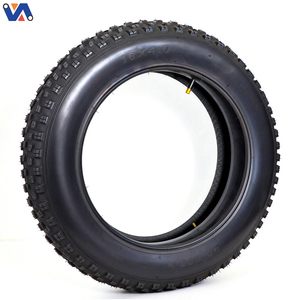
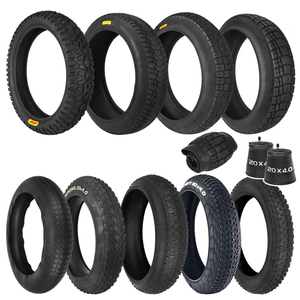
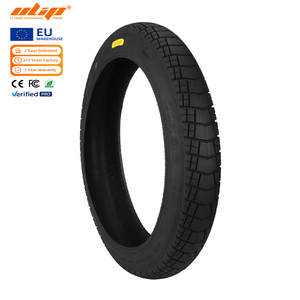
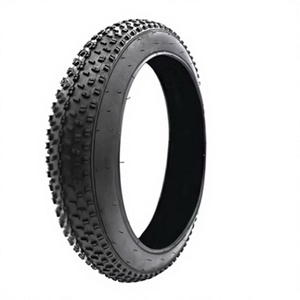
To address this high-intensity commercial demand, our production lines manufacture heavy-duty 16x4.0, 20x3.0, 20x4.0, and 26x3.0 fat tires engineered specifically for payload capacities up to 150 kg per wheel assembly. Utilizing reinforced steel wire beads, dual-ply nylon casings, and 3mm thick anti-puncture rubber belts under the tread cap, our commercial tires achieve a 300% operational life extension compared to standard consumer-grade tires.
3. Light Weight TPU Inner Tube Integration
Complementing our outer casing technology is our advanced Thermoplastic Polyurethane (TPU) inner tube line. TPU inner tubes represent a major technological leap over traditional butyl rubber tubes for northern climate cycling. Weighing up to 75% less than conventional butyl tubes while exhibiting twice the puncture resistance and superior air retention in sub-freezing temperatures, TPU tubes provide significant rotational mass reduction for mountain bikers and long-distance winter cyclists.