
ENDE
Precision-engineered TPU pneumatic tubes, anti-puncture liners, and industrial-grade fluid containment solutions for international distributors and manufacturers.
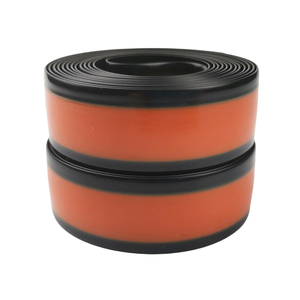
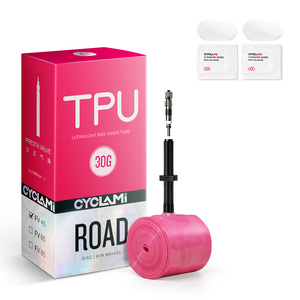
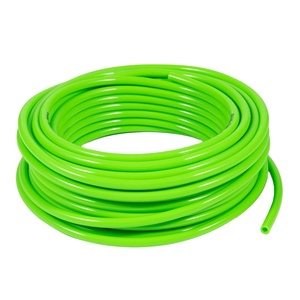
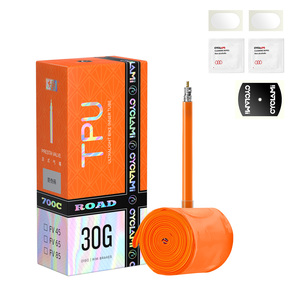
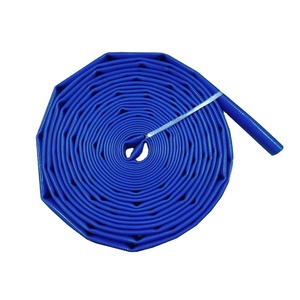
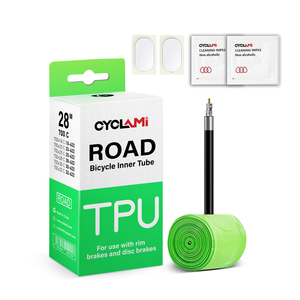
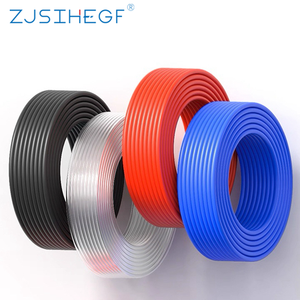
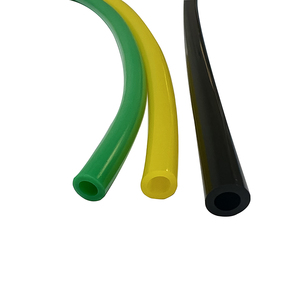
In modern pneumatic containment and high-stress elastomeric sealing systems, traditional vulcanized butyl rubber has reached its physical limits. As global OEMs, commercial fleet managers, and sporting equipment distributors seek increased durability without escalating payload weight, Thermoplastic Polyurethane (TPU) combined with specialized chemical sealants represents a transformative evolutionary step. As a leading manufacturer and exporter, our engineering facilities utilize advanced Austrian polymer processing methodologies to deliver lightweight, highly resilient, and zero-leakage elastomeric products.
Unlike conventional butyl rubber—which relies on high wall thickness (typically 0.8mm to 1.2mm) to maintain air retention and tear strength—TPU allows for ultra-thin wall extrusions ranging from 0.15mm to 0.35mm. This structural efficiency translates directly into a rotating mass reduction of up to 75% in wheel systems, while doubling the tensile energy to break (TEB) under high-speed impact testing. Furthermore, TPU exhibits superior chemical stability when interfacing with advanced synthetic sealants, eliminating the rubber degradation and pore degradation common in legacy pneumatic systems.
Technical Insight: TPU's linear molecular structure features alternating soft (polyether or polyester) and hard (isocyanate) segments. This microphase-separated morphology provides unmatched elasticity, kink resistance, and puncture sealing synergy when paired with microfiber-infused sealants.
| Performance Parameter | Standard Vulcanized Butyl | Engineered TPU (Tubo Series) | B2B Operational Advantage |
|---|---|---|---|
| Average Unit Mass (700C / 28") | 110g – 130g | 23g – 38g | Significantly reduces freight volume & international shipping weight |
| Puncture Energy Resistance | Baseline (1.0x) | 2.1x – 2.4x Baseline | Drastically lowers warranty returns and failure rates |
| Packed Storage Volume | Large (180 cm³) | Compact (45 cm³) | Optimizes warehouse storage capacity by up to 300% |
| Chemical / Aging Degradation | Prone to ozone cracking & dry rot | Hydrolysis & UV resistant polymer | Extended shelf-life exceeding 5 years in inventory |
| Recyclability & Environmental Impact | Non-recyclable cross-linked rubber | 100% Thermoplastic Recyclable | Fulfills strict EU ESG & RoHS/REACH compliance standards |
As a trusted exporter supplying enterprise clients across Europe, North America, and the Asia-Pacific, quality governance is embedded into every stage of our extrusion and sealing lines. Every single tube and sealant container produced in our ISO 9001:2015 certified facilities undergoes rigorous automated quality control checks, backed by a dual-code tracking mechanism.
Each unit features a laser-etched 9-digit master product identification code along with a 5-digit manufacturing batch number. This enables granular component tracking back to the raw material batch level within minutes.
100% of pneumatic TPU inner tubes and pressurized hoses are inflated to 1.5x working pressure and submerged/monitored in automated sensor chambers for 24 hours to ensure zero pressure decay before packaging.
Our proprietary sealant formulation features micro-particle suspension technology. High-speed automated batching ensures homogenous dispersion of synthetic fibers and latex binding agents across every liter exported.
By eliminating human error through robotics and precision laser welding of valve stems (both Presta and Schrader options), our products achieve an industry-leading field failure rate of under 0.02%. For OEM clients, this guarantees brand prestige and minimal warranty liabilities in competitive retail environments.
Strategic procurement managers must anticipate technological and regulatory shifts when selecting long-term manufacturing partners. Over the next decade, three key macro-trends will dominate the pneumatic sealing and inner tube market:
Global environmental regulations are tightening rapidly. Standard ammonia-based tire sealants and petroleum-heavy vulcanized rubbers are facing strict export restrictions under EU REACH regulations due to VOC emissions and environmental toxicity. The future belongs to ammonia-free, non-corrosive, biodegradable liquid sealants paired with recyclable TPU substrates. Our R&D team has pioneered water-soluble, glycol-free sealant bases that deliver rapid puncture coagulation without damaging aluminum/carbon rims or synthetic valve seals.
The digitization of hardware components is accelerating. As seen in our high-end product lines, integrating Near Field Communication (NFC) micro-sensors directly inside TPU tube walls permits real-time, touchless tire pressure readings via smartphones or digital bike telemetry. Procurement managers looking to differentiate their OEM products must consider integrating smart-sensing capable tubes to capture modern tech-conscious consumers.
With international ocean shipping rates fluctuating unpredictably, logistics efficiency has become a direct driver of gross margin. Traditional butyl tubes consume massive container cubic capacity due to their bulk. Engineered TPU tubes fold into a fraction of the space. A standard 20-foot shipping container can transport over 120,000 units of TPU inner tubes compared to only 35,000 units of equivalent butyl tubes, effectively slashing per-unit freight costs by more than 65%.
Our manufacturing lines support diverse sector specifications, ranging from high-performance athletic equipment to heavy-duty urban mobility and industrial pneumatic transfer:
Ultra-lightweight (23g–30g) S-TUBO series designed for minimal rolling resistance, disc brake heat tolerance, and high-pressure retention up to 120 PSI.
Reinforced X-TUBO wall structures offering maximum puncture protection against heavy axle loads, electric torque spikes, and urban debris.
Flexible ester-based PUR and medical-grade TPU tubing coils engineered for oil resistance, fluid transfer stability, and high dynamic flex fatigue.