ENDE
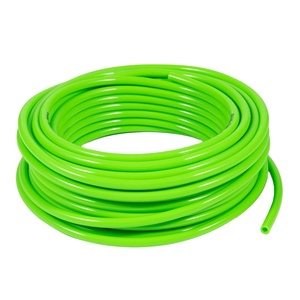
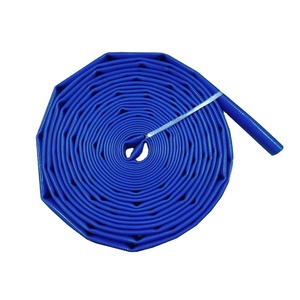
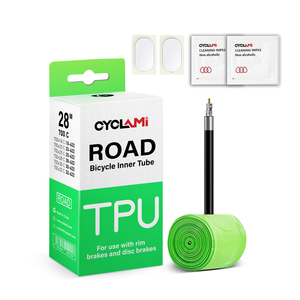
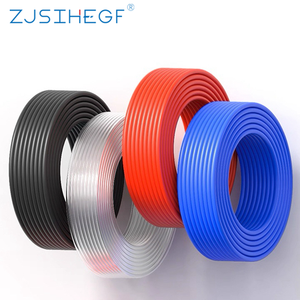
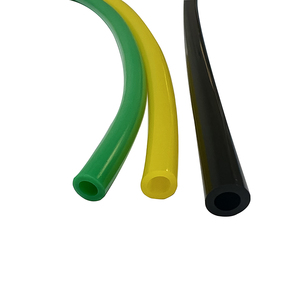
Explore our certified range of high-tenacity Butyl and advanced Thermoplastic Polyurethane (TPU) pneumatic inner tubes, industrial fluid hoses, and specialized cycling liners.
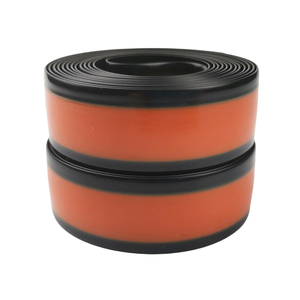
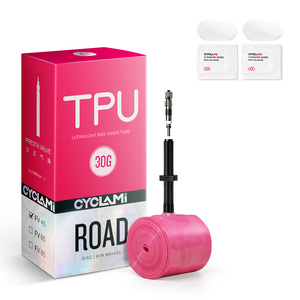
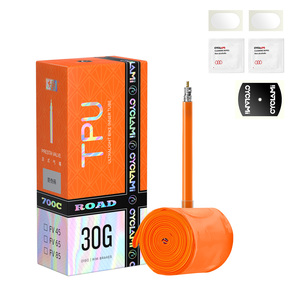
An authoritative analysis of gas barrier mechanisms, molecular compounding, and modern vulcanization protocols for global OEM distributors and tyre assembly plants.
In modern industrial pneumatic systems, passenger automotive applications, commercial heavy transport, and high-performance cycling, air retention efficiency is the primary engineering benchmark. Standard natural rubber (NR) and styrene-butadiene rubber (SBR) exhibit high gas permeability due to their open molecular chain gaps. In contrast, Butyl Rubber (IIR)—a copolymer of isobutylene with small amounts of isoprene—possesses a tightly packed molecular structure resulting from closely spaced methyl side groups along the polymer backbone.
This unique sterically hindered structure provides Butyl inner tubes with an exceptionally low gas permeability coefficient—approximately 8 to 10 times lower than natural rubber. For B2B procurement managers and OEM tire manufacturers, specifying premium-grade halogenated butyl rubber (CIIR/BIIR) ensures optimal inflation retention over prolonged periods, directly reducing rolling resistance, extending tread life, and improving operational safety.
Our manufacturing facility utilizes fully automated internal mixers equipped with high-torque rotor designs to achieve pristine dispersion of carbon black, plasticizers, synthetic tackifiers, and curing agents. The key physical attributes monitored during our multi-stage quality control process include:
| Material Classification | Air Permeability (cm³/cm·s·Pa) | Tensile Strength (MPa) | Puncture Resistance | Thermal Range (°C) | Recyclability & B2B Fit |
|---|---|---|---|---|---|
| Premium Halogenated Butyl (IIR) | < 1.2 × 10⁻¹¹ (Superior) | 9.5 – 12.0 | High Flex-Fatigue | -40°C to +120°C | Standard OEM / High Volume |
| Thermoplastic Polyurethane (TPU) | < 2.5 × 10⁻¹¹ (Excellent) | 35.0 – 50.0 | Ultra-High Cut-Tough | -30°C to +80°C | 100% Recyclable / Light Weight |
| Natural Rubber (NR) | > 12.0 × 10⁻¹¹ (Poor) | 14.0 – 18.0 | Moderate Tear Resistance | -50°C to +90°C | Legacy Low-Cost Application |
| SBR / Butyl Blend | ∼ 5.5 × 10⁻¹¹ (Moderate) | 7.0 – 9.0 | Standard Wear | -20°C to +100°C | Budget Commercial Sourcing |
Rigorous quality assurance, end-to-end traceability, and advanced material research set our production facility apart as an industry-leading OEM partner.
Every single inner tube manufactured in our facility is inflated to nominal pressure and stored in controlled temperature chambers for 24 hours prior to final packaging. Tubes exhibiting pressure drops greater than 0.01 bar are automatically rejected by optical sensor gates.
In accordance with ISO 9001 and IATF 16949 automotive standards, all products feature laser-etched or vulcanized serial codes. This allows immediate tracing of raw polymer batches, vulcanization pressure records, operator logs, and testing results.
We supply complete valve configurations including Schrader (AV), Presta (SV), Dunlop (DV), and custom heavy-duty angled brass valves for industrial machinery. Metal-to-rubber bonding uses proprietary chemlok adhesives to ensure zero valve-stem tearing.
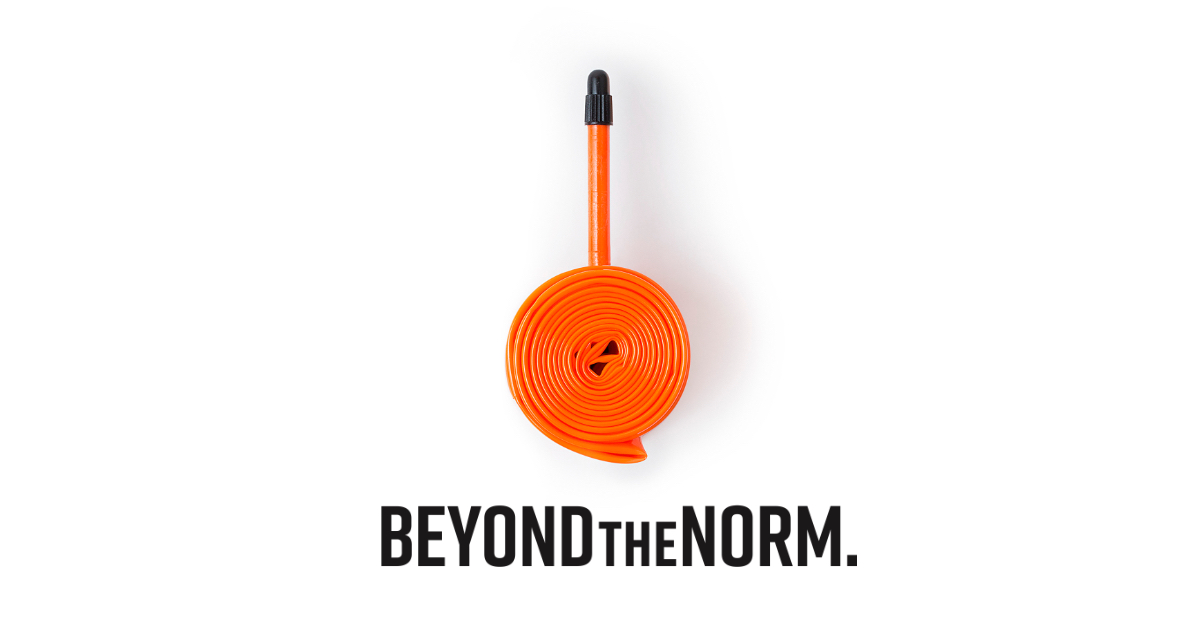
While high-retention Butyl rubber remains the undisputed benchmark for heavy-duty commercial transport and industrial air systems, the rapid expansion of performance cycling and micro-mobility has accelerated adoption of ultralight Thermoplastic Polyurethane (TPU).
Our dual-track research lab bridges the gap, offering B2B buyers complete freedom to select high-density Butyl for maximum airtightness or eco-friendly TPU for maximum weight reduction.
Strategic market insights for enterprise procurement officers navigating shifting material costs, environmental regulations, and automation demands.
The global rise of heavy electric cargo bikes, e-mopeds, and automated guided vehicles (AGVs) requires inner tubes with 50% thicker puncture barrier layers and reinforced valve stems capable of handling high continuous torque.
International environmental directives are driving demand for closed-loop butyl reclamation. Our proprietary devulcanization process allows up to 20% recycled high-purity butyl blend without compromising air impermeability or tensile strength.
B2B buyers are migrating from single-batch seasonal purchasing to Just-In-Time (JIT) vendor-managed inventory (VMI). Our regional hub distribution agreements allow OEM plants to maintain lean stock levels while preventing line shutdowns.
Technical and commercial clarity for wholesalers, OEM assembly factories, and global brand distributors.
Request factory-direct wholesale quotes, engineering data sheets, or custom OEM samples today. Our technical sales team responds within 12 business hours.