
ENDE
Engineered with precision thermoplastic polyurethane formulations for maximum tensile resilience, ultralight weight reduction, and thermal resistance under severe conditions.
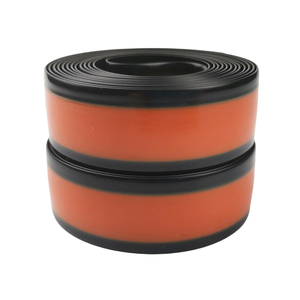
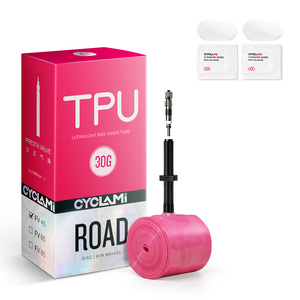
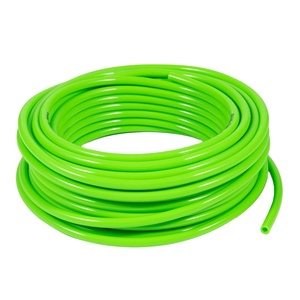
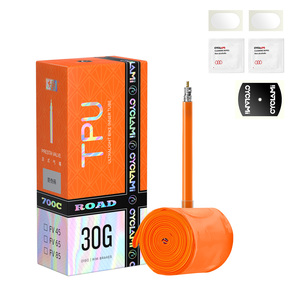
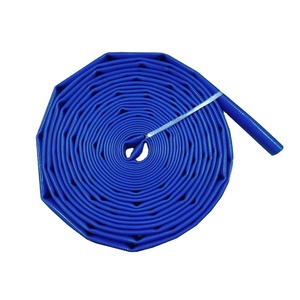
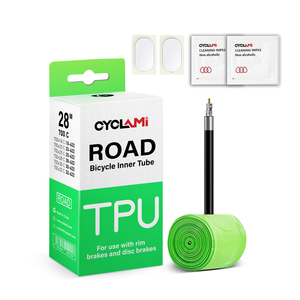
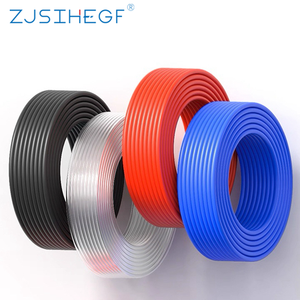
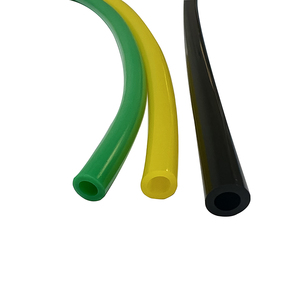
Integrating Austrian-inspired precision extrusion technology with Chinese industrial scale. We deliver unmatched performance for global OEM brands, distributors, and racing teams.
Our advanced multi-layer precision micro-extrusion lines guarantee uniform wall thickness down to ±0.02mm, eliminating structural weak points and enhancing air retention by over 300% compared to standard rubber tubing.
Every single racing tube and industrial hose features laser-etched product codes and production batch numbers. Complete traceability ensures instant quality feedback, strict compliance verification, and absolute peace of mind for B2B procurement.
Thermoplastic Polyurethane (TPU) requires 70% less energy to manufacture than vulcanized butyl rubber and is 100% recyclable. We help brands meet zero-carbon targets without compromising high-speed dynamic performance.
A rigorous engineering comparison highlighting why global racing manufacturers are shifting away from traditional synthetic vulcanized rubber.
| Performance Characteristic | Traditional Butyl Rubber | Standard Synthetic Latex | Our Advanced Racing TPU |
|---|---|---|---|
| Average Weight (700x25C) | 110g – 130g | 75g – 85g | 23g – 30g (Up to 75% Lighter) |
| Tensile Strength (MPa) | 8 – 12 MPa | 15 – 20 MPa | > 45 MPa (High Tenacity Formulation) |
| Puncture & Pinch resistance | Standard Baseline | Prone to Snakebites & Tears | 2.4× Superior Tensile Elongation at Break |
| Packed Volume | Bulky (Fist-sized) | Moderate Compactness | Pocket-Sized Ultra-Compact Profile |
| Rolling Resistance (Crr) | High Hysteresis Loss | Low Hysteresis Loss | Ultra-Low Crr (Matches Latex Performance) |
| Air Retention Stability | Moderate (Diffuses slowly) | Poor (Requires daily pumping) | Exceptional Gas Barrier Density |
As the global cycling and pneumatic industrial sectors demand unprecedented efficiency, thermal tolerance, and weight reduction, Thermoplastic Polyurethane (TPU) has emerged as the definitive material disrupting legacy rubber production. As China’s premier racing tubes manufacturer and exporter, our engineering facilities bridge advanced polymer science with automated, high-precision manufacturing processes to serve OEM brands, international distributors, and high-performance racing teams worldwide.
The manufacturing of competitive racing inner tubes and pneumatic fluid transfer lines requires strict adherence to polymer purity. Legacy butyl rubber manufacturing relies heavily on heavy vulcanization processes that involve sulfur additives, resulting in dense, heavy structures prone to hysteresis energy loss under dynamic deformation. In contrast, our medical-grade and racing-grade TPU tubes utilize specialized block copolymers consisting of alternating hard polyurethane segments and soft polyether or polyester chains.
This molecular configuration delivers crucial technical advantages:
A critical engineering challenge in high-speed racing environments is heat dissipation under continuous heavy braking. Traditional early-generation plastic tubes suffered from thermal deformation when subjected to excessive rim temperatures. Our engineering team addressed this bottleneck through custom thermal-stabilizing additive packages embedded during the resin synthesis stage.
Furthermore, our dedicated disc-brake specific models (such as the 23g Ultralight S-Series) are optimized for modern hydraulic disc-brake setups, pushing the envelope of wall thinness down to an astonishing 0.15mm while maintaining structural hoop stress stability up to 120 PSI.
Beyond competitive bicycle racing, our manufacturing infrastructure produces specialized high-tenacity TPU tubing across multiple high-demand industrial sectors:
For procurement officers, brand managers, and B2B importers, understanding structural market shifts is essential for maintaining supply chain agility and product margin superiority. Based on our global export data and market research, three core trends will dominate the next decade of TPU tubing procurement:
Mid-to-high-tier bicycle OEMs are rapidly replacing standard butyl tubes with factory-fitted TPU tubes. The space-saving logistics (up to 70% smaller packaging footprint per master carton) allows international distributors to dramatically lower sea-freight costs per unit while offering end-consumers a high-value selling proposition right out of the box.
The convergence of polymer materials with micro-electronics is giving rise to smart tubes embedded with passive NFC (Near-Field Communication) pressure sensors. OEM buyers are increasingly inquiring about zero-battery pressure monitoring solutions that allow cyclists or industrial technicians to scan tire or line pressure using standard smartphones.
Environmental regulations across the EU and North America are pushing manufacturers toward renewable raw materials. Next-generation procurement specs are placing higher emphasis on bio-based TPU derived from non-food castor oil feedstocks, alongside fully closed-loop factory recycling systems where trimmed TPU materials are re-granulated into non-critical industrial products.
Expert guidance for international buyers, OEM partners, and wholesale distributors looking to source TPU racing and industrial tubing from China.
Upgrade your product catalog with high-margin, ultralight TPU inner tubes and industrial pneumatic lines engineered to global performance benchmarks.