
ENDE
Direct OEM & Wholesale Supply Options Engineered for Extreme Tensile Toughness, Ultra-Low Permeability, and Reduced Rotational Inertia.
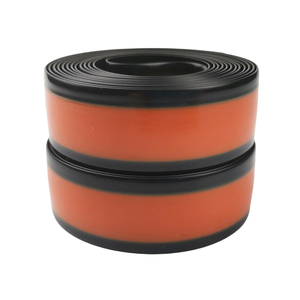
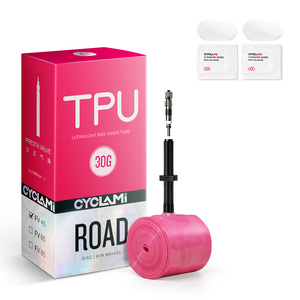
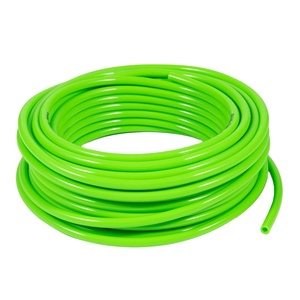
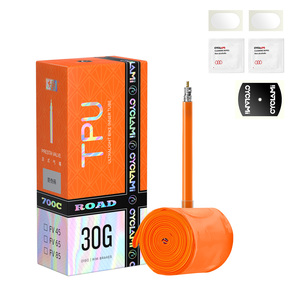
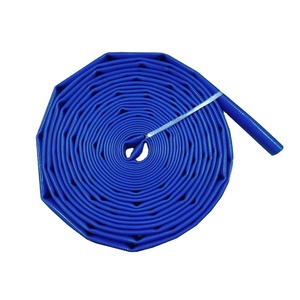
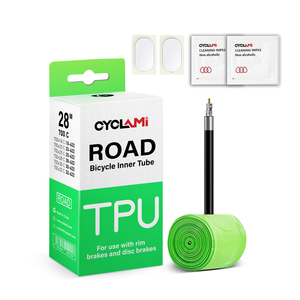

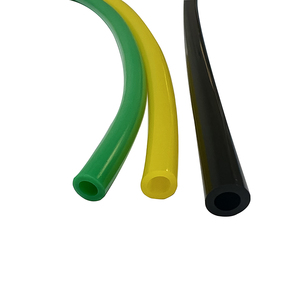
The global industrial hose, pneumatic fluid conveyance, and bicycle component manufacturing sectors are experiencing an unprecedented material transition. For over a century, vulcanized synthetic butyl rubber served as the standard elastomeric barrier for pneumatic inner tubes, industrial air lines, and fluid conduits. However, the inherent limitations of butyl—such as excessive weight, high rotational inertia, low tear propagation resistance, and vulnerability to oxidative degradation—have created an urgent market demand for advanced polymer alternatives.
Thermoplastic Polyurethane (TPU) has emerged as the definitive material science breakthrough addressing these legacy vulnerabilities. As detailed in this global OEM supplier benchmark, modern TPU formulation techniques allow for ultra-thin wall extrusion (down to 0.15mm) while maintaining double the tensile strength and puncture toughness of conventional 0.9mm butyl rubber walls. In high-performance cycling applications, this material transformation equates to a rotational weight reduction of up to 75% per wheel system, drastically decreasing dynamic moment of inertia ($I = m r^2$) and enhancing instantaneous kinetic acceleration.
Unlike legacy butyl rubber manufacturing that requires energy-intensive vulcanization and generates substantial chemical effluents, TPU extrusion is 100% thermally recyclable. Leading global exporters now utilize closed-loop scrap recovery systems, reducing raw material waste by 34% while meeting strict European REACH and RoHS environmental standards.
TPU combines hard aromatic/aliphatic polyurethane blocks with soft polyether or polyester segments, yielding superior abrasion resistance, high tensile elongation (>500%), and zero plasticizer leaching.
High tensile strength prevents snakebite punctures under low tire pressures. Dynamic needle puncture tests demonstrate that TPU requires 200% higher force to penetrate compared to standard rubber.
TPU tubes fold to a fraction of traditional sizes, saving up to 60% in shipping volume and warehouse storage space while easily fitting inside jersey pockets or saddle bags.
The following engineering baseline compares standard vulcanized butyl rubber, latex elastomeric bladders, and advanced extruded TPU tubing for industrial fluid transfer and pneumatic tire inner liners:
| Performance Metric | Standard Butyl Rubber | Natural Latex | Ester-Based TPU Tube | Ether-Based TPU Tube |
|---|---|---|---|---|
| Nominal Density (g/cm³) | 1.20 - 1.35 | 0.95 - 1.00 | 1.18 - 1.22 | 1.12 - 1.16 (Lightest) |
| Tensile Strength (MPa) | 8.0 - 12.0 | 20.0 - 28.0 | 45.0 - 55.0 | 50.0 - 65.0 |
| Air Permeability Retention | High Barrier | Very Low (Seeps air) | Ultra-High Barrier | Optimal Retention |
| Hydrolysis & Microbial Resistance | Moderate | Poor | Fair (Susceptible to hot water) | Exceptional (Water/Medical Safe) |
| Thermal Stability Window | -30°C to +100°C | -20°C to +70°C | -40°C to +80°C | -50°C to +90°C |
| Shipping Volume Footprint | 100% Baseline | 90% Baseline | 35% (Compact) | 30% (Pocket Size) |
Our manufacturing facilities operate under strict ISO 9001:2015 quality management systems, utilizing multi-axis laser sensors to inspect wall thickness uniformity across 100% of extruded production runs.
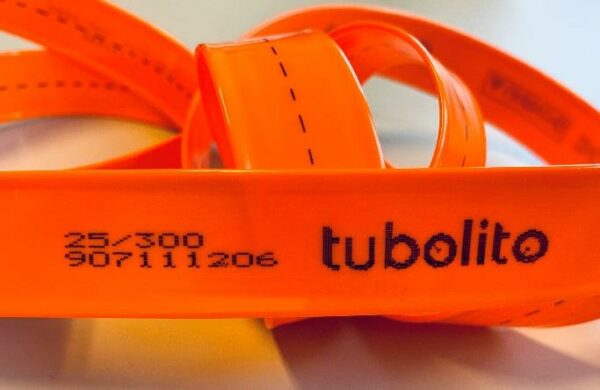
As global cycling brands, e-bike OEMs, and industrial automation firms revise their supply chain strategies, several critical procurement trends are redefining supplier evaluation criteria:
The market is shifting rapidly toward intelligent pneumatic systems. Modern TPU tubes can now incorporate passive, battery-free NFC chips directly into the material membrane (such as the TUBO-PSENS technology). Mechanics and riders can scan tire pressures instantaneously via smartphone without mechanical gauge attachment.
With the rapid proliferation of heavy electric cargo bicycles and urban e-delivery fleets, traditional inner tubes suffer high failure rates due to excessive gross vehicle weight (GVW) and high torque delivery. Specially formulated extra-thick TPU inner tubes (e.g., X-TUBO series) offer puncture defense rivaling tubeless systems without the messy maintenance of liquid sealant.
Strict European legislation regarding extended producer responsibility (EPR) is driving demand for recyclable components. Unlike vulcanized rubber which requires land-filling or incineration, scrap TPU can be reground, re-pelletized, and extruded into secondary industrial components like tire levers, rim strips, and protective frame guards.
Thermoplastic Polyurethane (TPU) is an advanced engineering polymer offering far higher tensile strength and puncture toughness per unit of thickness than vulcanized butyl rubber. This allows manufacturers to extrude ultra-thin wall profiles (saving up to 75% in rotating weight) while doubling mechanical puncture resistance. Additionally, TPU exhibits zero degradation from ozone or oil contact and packs into less than half the physical volume.
Compatibility depends on the specific product engineering class. Super-ultralight models (such as 23g S-TUBO series) are engineered strictly for disc-brake bicycles to eliminate heat-induced expansion risks under prolonged heavy braking. However, standard-wall TPU road tubes (38g-40g) feature elevated thermal deformation thresholds and are fully certified for both disc-brake and rim-brake wheelsets.
No. Standard rubber patches rely on chemical vulcanization agents (such as trichloroethylene) designed specifically to melt synthetic butyl rubber. Because TPU is a thermoplastic polymer, vulcanizing glue cannot form a chemical bond. TPU tubes must be repaired using specialized TPU patch kits featuring alcohol preparation wipes and high-tack elastomeric adhesive patches.
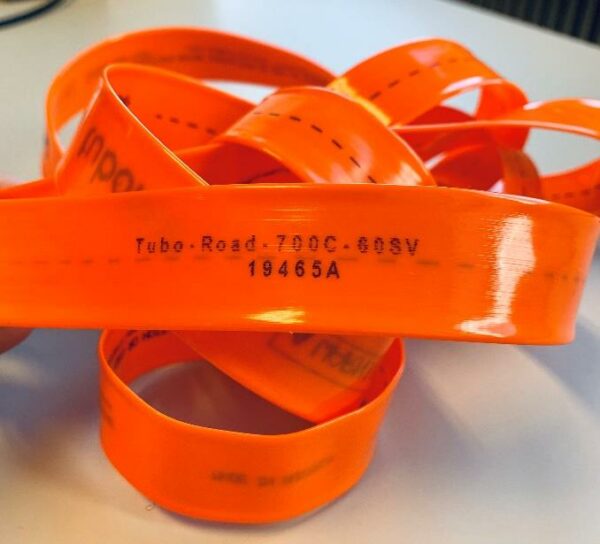
We offer full turn-key OEM/ODM manufacturing services, including custom color extrusion (orange, transparent, neon green, matte black), custom laser-etched valve stems (Presta/Schrader in various lengths from 45mm to 85mm), custom branding artwork on the tube membrane, and retail-ready FSC-certified compact packaging designed for optimized B2B freight density.
Because TPU can be folded into a tight, flat configuration without creasing or wall damage, a master carton that typically holds 50 standard butyl tubes can accommodate up to 150–200 TPU tubes. This 60%+ reduction in physical shipping volume significantly lowers per-unit ocean and air freight costs while maximizing warehouse shelf yield per square meter.