ENDE
Explore enterprise-grade Thermoplastic Polyurethane inner tubes and pneumatic hoses. Engineered for extreme tensile resistance, ultralight performance, and zero-defect reliability.
The global elastomer industry is undergoing a structural paradigm shift. As procurement directors, original equipment manufacturers (OEMs), and B2B brand owners optimize supply chains for technical superiority and carbon reduction, Thermoplastic Polyurethane (TPU) tubes have transitioned from a niche premium alternative into the benchmark standard for high-performance fluid transfer, pneumatic automation, and elite cycling dynamics.
Unlike conventional thermoset vulcanized butyl rubber—which relies on irreversible chemical cross-linking—TPU exhibits a unique microphase-separated structure composed of alternating hard and soft segments. The hard segments act as physical cross-links delivering extraordinary tensile strength (often exceeding 45–65 MPa), while the soft segments endow the material with exceptional elastic recovery and flex fatigue resistance. For procurement officers evaluating top China TPU tube manufacturers, understanding these core material physics provides a decisive edge in sourcing product lines that optimize rolling resistance, air permeability, and mechanical endurance.
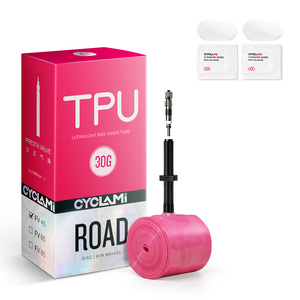
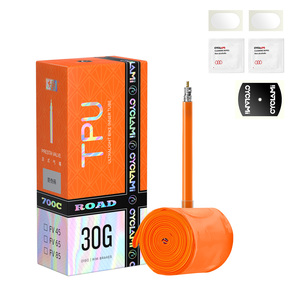
Dropping tube wall thickness down to 0.15mm reduces inner tube mass from ~100g (standard butyl) to an astonishing 23g–30g, drastically cutting rotational inertia on wheels and automated assemblies.
TPU exhibits double the tensile stretch threshold compared to vulcanized rubber, absorbing sharp impacts, rim pinches, and debris penetration without structural tearing.
Tier-1 Chinese factories now implement rigorous dual-code marking systems (9-digit SKU + 5-digit batch codes) to provide 100% supply chain transparency for global B2B buyers.
When selecting pneumatic hoses, fluid conveyance channels, or bicycle inner tubes, engineering procurement teams must evaluate key physical parameters. The table below presents verified comparative data derived from laboratory testing of standard factory extrusions:
| Performance Parameter | Thermoplastic Polyurethane (TPU) | Butyl Rubber (IIR) | Polyvinyl Chloride (PVC) | Latex (Natural Rubber) |
|---|---|---|---|---|
| Tensile Strength (MPa) | 45 - 65 MPa | 8 - 12 MPa | 15 - 25 MPa | 20 - 30 MPa |
| Wall Thickness Range | 0.15mm - 0.35mm | 0.80mm - 1.20mm | 1.00mm - 3.00mm | 0.50mm - 0.70mm |
| Density / Mass (700C Tube) | 23g - 38g | 100g - 130g | N/A (Industrial) | 50g - 75g |
| Air Retention / Permeability | High (Low Molecule Diffusion) | Very High | Moderate | Extremely Low (Daily Pump Needed) |
| Environmental Sustainability | 100% Melt-Recyclable | Non-Recyclable Thermoset | Contains Phthalates / Toxins | Biodegradable / High Processing Waste |
| Oil & Chemical Resistance | Excellent (Ester/Ether Specific) | Fair | Moderate | Poor |
As leading Chinese TPU manufacturers expand production capacities, the market dynamics for enterprise procurement are evolving rapidly. Senior sourcing officers must align their strategy with three primary macroeconomic and technological trends:
The industry is moving away from single-compound TPU tubing. Modern extrusion lines in China are incorporating multi-layer co-extrusion technology, combining an Ether-based outer layer (resistant to hydrolysis, micro-organisms, and moisture) with an Ester-based inner core (delivering maximum mechanical strength and oil resistance). This hybrid architecture prolongs product life in industrial pneumatic systems, medical devices, and extreme off-road cycling conditions.
Traditional TPU tube manufacturing relied on hand-welded valve bases, introducing human variance in failure pressure. China's top tier manufacturers have upgraded to fully automated robotic ultrasonic and high-frequency thermal welding. Valve joints now exhibit burst pressure safety margins matching the raw tubing film itself (up to 12-14 Bar / 175-200 PSI), eliminating a primary failure point in OEM warranties.
Industrial IoT and high-performance cycling are driving demand for smart components. Cutting-edge manufacturers are embedding passive NFC micro-chips (such as PSENS technology) directly onto the TPU valve stem or tube body. This allows maintenance technicians or riders to scan pressure values using any smartphone without mechanical pressure gauges, opening up huge OEM branding opportunities for smart equipment manufacturers.
China has established itself as the global epicenter for precision thermoplastic elastomer synthesis and automated extrusion. Working with established OEM/ODM manufacturing partners provides international brand owners, distributors, and industrial buyers distinct strategic advantages:
Tailor wall thickness (0.10mm to 5.00mm), inner/outer diameters, custom pantone colors, valve stem lengths (45mm, 60mm, 85mm Presta/Schrader), and high-tenacity reinforced webbing straps.
Every batch undergoes 24-hour inflation pressure retention testing before packaging. Printed product codes and lot batch numbers guarantee instant quality tracking back to the raw resin lot.
TPU's tiny footprint reduces box packaging volume by 50–70% compared to standard butyl rubber, sharply cutting international freight expenses, warehousing footprints, and retail shelf space requirements.
Clear, authoritative answers to common engineering, ordering, and material specification queries.
Request direct factory pricing, engineering spec sheets, custom OEM quotes, or evaluation samples today. Our technical support team responds within 12 business hours.
Send an Inquiry