
ENDE
Explore our high-performance pneumatic bicycle tire lineup engineered for e-mobility, mountain, BMX, and city transit.
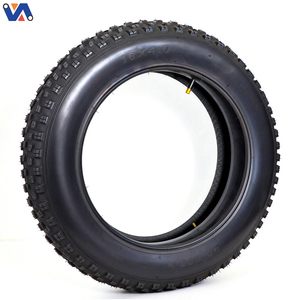
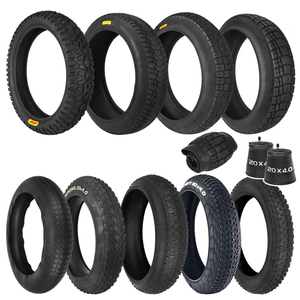
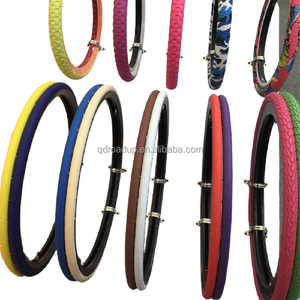
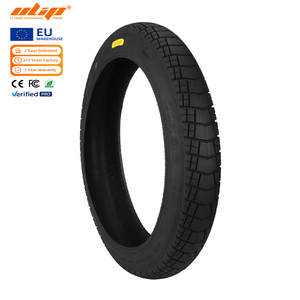
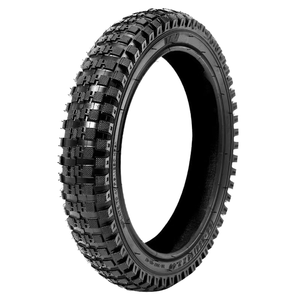
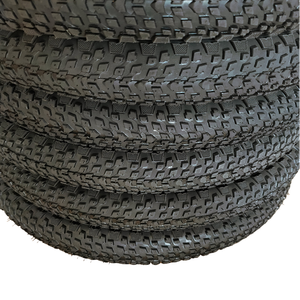
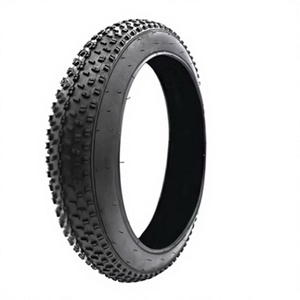
As the global bicycle and e-mobility industries accelerate toward specialized, high-performance, and sustainable transportation, purchasing managers and OEM procurement directors face an evolving supplier ecosystem. China remains the undisputed global hub for bicycle tire and inner tube manufacturing, producing over 70% of the world's pneumatic bike tires. However, the competitive advantage for B2B importers has shifted from pure price efficiency to material engineering expertise, compound formulation control, and batch-level quality traceability.
Modern bicycle tire manufacturing is no longer just about vulcanizing synthetic rubber into basic tread patterns. Today's commercial applications demand high-torque resistance for high-speed E-bikes (ECE-R75 compliance), ultra-low rolling resistance coefficients (Crr) for competitive road cycling, sub-40g Thermoplastic Polyurethane (TPU) integrations, and specialized puncture breaker layers (Aramid/Kevlar vs. high-density EPS layers). This comprehensive procurement guide outlines the structural shifts in Chinese tire manufacturing, essential quality assurance protocols, and future trends shaping global distribution channels.
Selecting the right OEM partner in China requires evaluating compound chemistry (Shore A Hardness, Silica vs. Carbon Black ratios), casing weave density (30 TPI vs. 120 TPI), and automated vulcanization controls—not merely comparing FOB unit prices.
To establish competitive advantages in regional consumer markets, OEM brand owners must master the core technical parameters that define tire longevity, traction, and efficiency. Leading Chinese manufacturing plants utilize computerized dual-compound co-extrusion technology to balance wear resistance on the center tread with mechanical grip on the shoulder knobs.
Standard municipal tires utilize Styrene-Butadiene Rubber (SBR) for cost performance. Premium performance and E-bike ranges blend high-grade Natural Rubber (NR) with micro-silica additives to lower rolling resistance by up to 18% while enhancing wet-weather friction coefficients.
Threads Per Inch (TPI) determines casing flexibility and weight. Low TPI (27-30 TPI) uses thicker nylon threads, offering maximum puncture resistance for commuter and fat bikes. High TPI (60-120 TPI) provides supple ride characteristics and lightweight agility for MTB and gravel racing.
Top-tier Chinese factories offer multi-stage anti-puncture protection layers. Options range from 1mm-5mm high-elasticity natural rubber belts (EPS/LDP) to woven Aramid (Kevlar) fabrics positioned under the tread pattern to eliminate snakebites and thorn penetrations.
When requesting quotations and technical datasheets from Chinese tire factories, evaluate your target specifications against the following industry metrics:
| Specification Parameter | City / Utility Commuter | E-Bike & Heavy Cargo (ECE-R75) | Performance MTB / Gravel (TR) |
|---|---|---|---|
| Rubber Formulation | 100% Synthetic SBR Blend | Silica-Enriched Dual Compound | High-Rebound Natural / Silica Blend |
| Durometer Hardness | 65A - 70A (Maximum Mileage) | 60A Tread / 70A Base | 50A Shoulder / 60A Center |
| Casing Density (TPI) | 27 TPI / 30 TPI Nylon | 30 TPI / 60 TPI Reinforced | 60 TPI / 120 TPI Tubeless Ready |
| Bead Type | High-Tensile Rigid Steel Wire | Heavy-Duty Steel / Foldable Arimid | Kevlar Foldable / Tubeless Bead |
| Puncture Protection | 1mm - 3mm Rubber Shield | 5mm High-Elasticity EPS Belt | Aramid Woven Fabric Sub-Layer |
| Burst Pressure Margin | 1.5x Rated PSI | 2.0x Rated PSI | 2.2x Rated PSI |
The global bicycle market is experiencing rapid diversification. Importers must align their product sourcing roadmaps with key technological macro-trends to avoid stocking obsolete inventory.
With speed pedelecs (capable of speeds up to 45 km/h or 28 mph) surging across Europe and North America, traditional bicycle tires fail under elevated motor torque and heavier frame weights. Leading Chinese factories are upgrading continuous vulcanization presses to output ECE-R75 approved tires. These feature reinforced bead bundles, heavy-gauge sidewalls to resist pinch flat pinch-points, and heat-dissipating tread blocks.
Tubeless technology has crossed over from professional road racing into mainstream gravel, urban commuting, and mountain biking. Modern Chinese tire plants are incorporating precision butyl rubber liners and carbon-fiber reinforced bead cores to ensure air-tight seals on hookless rims without rim-burping issues under low inflation pressures.
Thermoplastic Polyurethane (TPU) inner tubes—pioneered in advanced European research labs—are now being mass-manufactured across tier-one Chinese facilities. Weighing up to 75% less than standard butyl rubber tubes (e.g., 23g road tubes vs 100g butyl counterparts), TPU integration provides an instant upgrade in acceleration dynamics and compact packaging space for OEM bicycle brands.
Environmental regulations, including EU REACH and US CA Prop 65, mandate strict controls on Polycyclic Aromatic Hydrocarbons (PAHs) and heavy metals in rubber vulcanization. Leading factories in Shandong, Jiangsu, and Zhejiang provinces are adopting recycled carbon black recovered from end-of-life tires and replacing petroleum-derived aromatic oils with bio-based vegetable oils.
For international sourcing managers, establishing a resilient supply chain with Chinese suppliers requires structured vendor management practices. Price haggling without technical clarity often leads suppliers to alter raw material ratios (such as reducing virgin natural rubber content), resulting in premature tread cracking and high warranty claim rates.
Negotiate mold tooling agreements clearly. Custom tread patterns require 3D CNC aluminum mold creation. Ensure your OEM contract defines intellectual property ownership and exclusive distribution rights in target geographical territories.
While standard catalog tires carry MOQs of 500 to 1,000 units, custom color compounds or specialized sidewall hot-stamping logos typically require 2,000 to 5,000 units per size to offset calendar line changeover costs.
Raw material mixing, fabric calendaring, tire building, vulcanization, and mandatory 48-hour aging inspection require a standard 25-35 day production cycle, plus sea transit times.
World-class bicycle tire factories distinguish themselves through rigorous internal laboratory validation. To guarantee high consumer safety and low defect rates (<0.05%), reputable manufacturers enforce strict multi-stage quality gates throughout the production process:
Looking for reliable OEM/ODM tire manufacturing, specialized E-bike compounds, or factory-direct B2B pricing? Contact our technical sales team today for custom quotes and specification datasheets.
Send an Inquiry