CE Certified Cycling Tubes Factories & Exporters

Global B2B Sourcing Guide & White Paper on High-Tenacity TPU & Precision Pneumatic Tube Engineering

Featured OEM/ODM Inner Tubes & Pneumatic Solutions

Explore our ISO9001 and CE-compliant pneumatic tubing catalog engineered for professional bicycle OEMs, international brand distributors, and industrial suppliers.
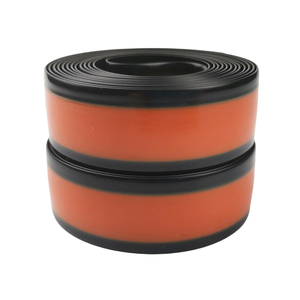
Durable High Tenacity Double Color TPU Webbing Strap Anti-Puncture Tire Liner 26 inch

Professional Customization Durable High Tenacity Double Color TPU Webbing Strap Anti-Puncture Tire Liner Bicycle Inner Tube 26''

Get a Quote
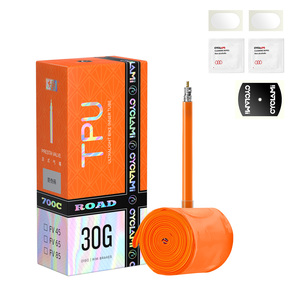
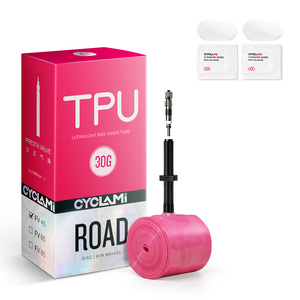
CYCLAMI Ultralight Bicycle Inner Tube TPU 30g Road Bike 700C

CYCLAMI Ultralight Bicycle Inner Tube TPU 30g Inner Tube 700C 45mm 60mm 80mm For Road Bike 700C 18-32C Bike Tyres

Get a Quote
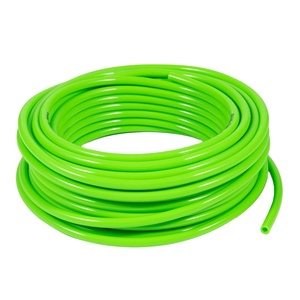
Polyurethane TPU Tubing Ester Based PUR Tube PU Air Hose

Polyurethane TPU Tubing Ester Based PUR Tube PU Air Hose for High-Pressure Pneumatic Assemblies

Get a Quote
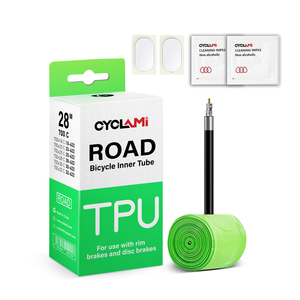
CYCLAMI 30g Road Bicycle TPU Inner Tube 700 X 18-32C FV

CYCLAMI 30g Road Bicycle TPU Inner Tube 700 X 18/23/25/28/30/32C FV 45/65/85mm Cycling Accessories

Get a Quote
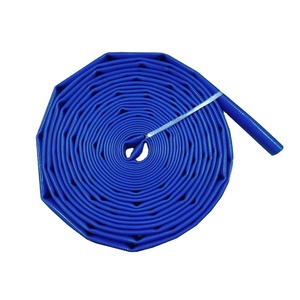
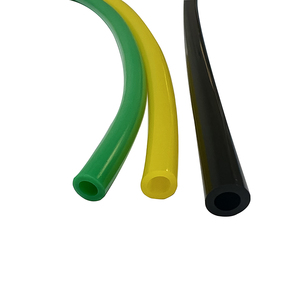
ZYfire Flexible TPU Rubber Well Riser Hose Pipe Plastic Tubes

ZYfire Flexible TPU Rubber Well Riser Hose Pipe Plastic Tubes for High-Tenacity Fluid and Air Transfer

Get a Quote
CYCLAMI 30g TPU Road Bike Inner Tube 700c Presta Valve

CYCLAMI 30g TPU Road Bike Inner Tube 700c 18-32C High Puncture Resistance 45/65/85mm Presta Valve

Get a Quote
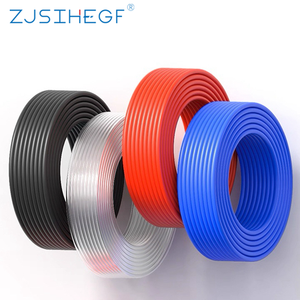
Pneumatic Polyurethane TPU Tube Hose for Air Compressor

Zjsihegf 4mm-16mm Pneumatic Polyurethane/TPU Tube Hose for Air Compressor & Industrial Cycling Maintenance

Get a Quote
Flexible Transparent TPU Tube Coil high Elasticity Kink Resistance

Flexible Transparent TPU Tube Coil High Elasticity, Kink Resistance, Food And Medical Grade Safety Hose

Get a Quote
75%
Weight Reduction vs Butyl
2x
Puncture Strength Rating
100%
CE & EN ISO 4210 Tested
< 0.05%
B2B Defect Rate Standard

1. Executive Summary & Paradigm Shift in Bicycle Inner Tube Manufacturing

The global cycling component industry is undergoing a structural material transition. For over a century, vulcanized Isobutylene-Isoprene rubber (commonly known as butyl rubber) served as the standard medium for pneumatic bicycle inner tubes. However, high-performance cycling demands, electric vehicle integration (e-mobility), stringent environmental regulations, and air freight logistical optimization have exposed the physics and material limitations of classic elastomer formulations.

Leading OEM factories and global exporters are rapidly re-engineering production infrastructure toward Thermoplastic Polyurethane (TPU). TPU formulations provide unprecedented tensile strength, ultra-low wall thickness tolerances (down to 0.15mm), and exceptional weight reduction—slashing rotational mass at the wheel perimeter by up to 75%. As a premier CE-certified cycling tube exporter, our manufacturing ecosystem combines Austrian precision polymer engineering with high-throughput automated ultrasonic welding to deliver B2B tubing solutions tailored for Road, MTB, Gravel, E-Bike, Cargo, and Specialized Industrial Applications.

Information Gain: Why Global Procurement is Switching to TPU

For B2B buyers, distributors, and original equipment manufacturers (OEMs), switching from legacy butyl to engineered TPU inner tubes yields quantifiable operational and commercial advantages:
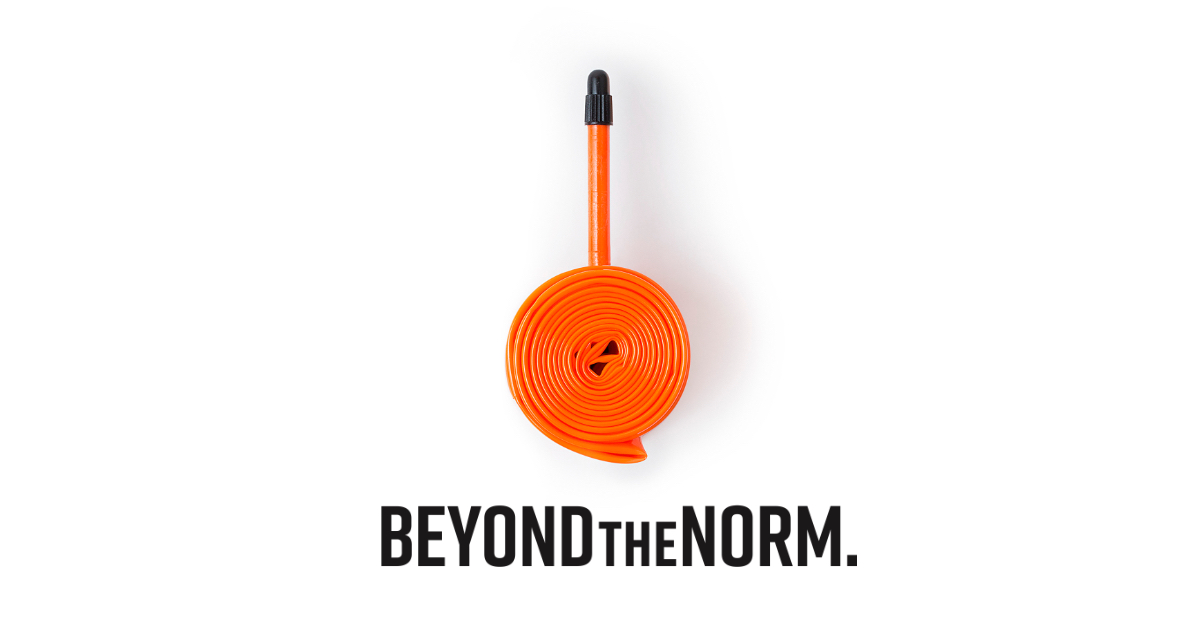
  • Logistical Density Optimization: Pack size is reduced by over 60%, allowing 3x more product volume per 40ft High Cube ocean freight container or air cargo skid.
  • Rotational Inertia Reduction: Eliminating 70–100 grams per wheel dramatically enhances kinetic efficiency, a key purchasing metric for performance road and gravel markets.
  • 100% Recyclability: Unlike thermoset butyl rubber which cannot be easily melted or remolded, TPU is a fully circular thermoplastic that can be re-granulated, satisfying EU Green Claims directives.
TPU Inner Tube vs Standard Butyl Tube Visual Comparison

2. Key Engineering Pillar Technologies & Material Science

Our manufacturing processes integrate proprietary polymers, precision extrusion control, and high-frequency bonding technologies certified for international distribution.

Lightweight Feather Icon

Ultralight Kinematics

Engineered with Shore 85A to 95A TPU formulations. Wall thickness is controlled via laser micrometers down to 0.15mm, allowing tube weights as low as 23 grams without sacrificing air retention integrity.

Puncture Resistance Icon

Enhanced Puncture Shear

TPU exhibits superior elongation-at-break statistics (>450%). High tensile strength resists sharp object penetration and prevents catastrophic blowout events under high pneumatic pressure.

Compact Size Icon

Pocket-Sized Footprint

Folds down to a fraction of traditional rubber rolls. Ideal for OEM toolkits, emergency saddlebag storage, and compact retail packaging that maximizes shelf density.

3. Material Benchmark: TPU vs. Butyl vs. Latex Tube Specifications

Comparative technical audit designed for engineering teams, OEM procurement directors, and quality control auditors.

Performance Parameter Standard Butyl Tube Latex Rubber Tube High-Spec Thermoplastic Polyurethane (TPU)
Average Weight (700x25C) 100g – 120g 75g – 85g 23g – 38g (Up to 75% Reduction)
Tensile Strength (MPa) 8.0 – 12.0 MPa 15.0 – 20.0 MPa 35.0 – 55.0 MPa
Puncture Resistance Index 1.0x (Baseline) 1.2x 2.1x – 2.8x Baseline
24-Hour Air Retention Loss < 2.5% PSI Loss > 15.0% PSI Loss (Daily Inflation) < 3.0% PSI Loss (Stable Equilibrium)
Rolling Resistance Impact Standard Coefficient Very Low (Fragile) Ultra-Low (Match Latex Efficiency with High Durability)
Recyclability & Eco Standard Thermoset (Landfill Heavy) Natural Degradable (Low Shelf Life) 100% Thermoplastic Circular Recyclable
Thermal Stability (Rim Brakes) Up to 180°C Degrades at >75°C Disc-Brake Optimized / Thermal Guarded (120°C+)

*Data validated in accordance with DIN EN ISO 4210 mechanical test protocols under standardized ambient laboratory conditions.

4. Future Procurement Trends in the Global Cycling & Pneumatic Tube Market

As international importers, bicycle brands, and chain stores refine their supply chain strategies for 2025–2030, several key macroeconomic and technological vectors are shaping factory-level procurement:

A. Demand Shift Driven by E-Mobility and Heavy Cargo Platforms

Electric bikes (E-bikes) and urban cargo bicycles impose unprecedented static weight and dynamic torque loads upon wheel components. Legacy thin-walled butyl tubes suffer elevated rates of pinch-flats (snakebites) under heavy payloads. Procurement channels are increasingly specifying reinforced TPU variants (such as X-TUBO technology), which offer high puncture resistance without introducing massive unsprung weight to the motor system.

B. Smart Pressure Sensing Integration (NFC & Telemetry)

Next-generation cycling tubes are evolving from passive air bladders into connected components. Leading factories are now embedding ultra-lightweight Near Field Communication (NFC) pressure sensors directly inside the TPU valve stem junction (e.g., PSENS technology). This allows riders and mechanics to read exact PSI data via mobile phone applications without attaching physical pressure gauges, setting a new benchmark for premium OEM bike assembly.

C. Environmental Compliance and EU REACH / RoHS Certification

Global regulatory scrutiny over Polycyclic Aromatic Hydrocarbons (PAHs), phthalate plasticizers, and non-recyclable elastomers is intensifying across Europe, North America, and Japan. CE-certified TPU tube factories operating with raw virgin polymers meet strict EU REACH and RoHS mandates, mitigating regulatory compliance risks for international importers and distributors.

D. Freight Cost Optimization and Supply Chain Resilience

With global maritime logistics pricing subject to volatility, reducing volumetric footprint yields immediate bottom-line transport savings. A master carton containing 200 TPU tubes occupies less volume than a standard box of 50 butyl tubes. This 4x packaging efficiency lowers per-unit landed freight costs, empowering importers to maintain competitive gross margins.

5. Enterprise Superiority: Precision Manufacturing & Traceability

Our export-oriented factory operates strictly under ISO9001 quality management systems, utilizing fully automated extrusion lines, high-frequency ultrasonic seam welders, and automated 48-hour pressure-decay testing chambers.
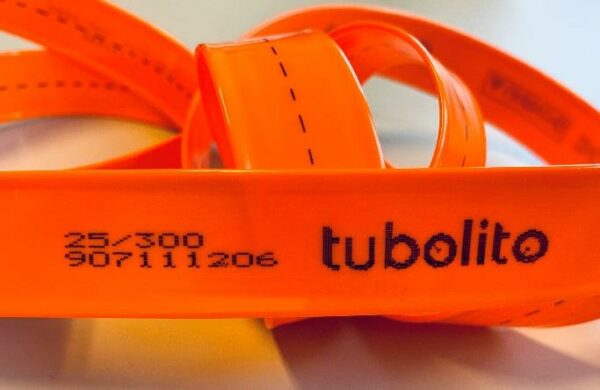
Laser Etched 9-Digit Product Code Identification on TPU Tube

Laser-Etched Product Code Integrity

Every single tube produced on our automated lines receives a permanent 9-digit product code printed adjacent to the valve flange. This code specifies the exact material formulation batch, wall thickness parameters, and production line configuration, ensuring complete transparency for quality assurance audits.

Batch-Level Vulcanization & Welding Traceability

Beneath the brand marking, a secondary 4-to-5 digit batch code (e.g., 19465A) tracks the exact timestamp, shift operator, laser micrometer calibration log, and continuous pressure inflation test results. This granular level of traceability virtually eliminates systemic field defects and provides wholesale partners with total batch confidence.
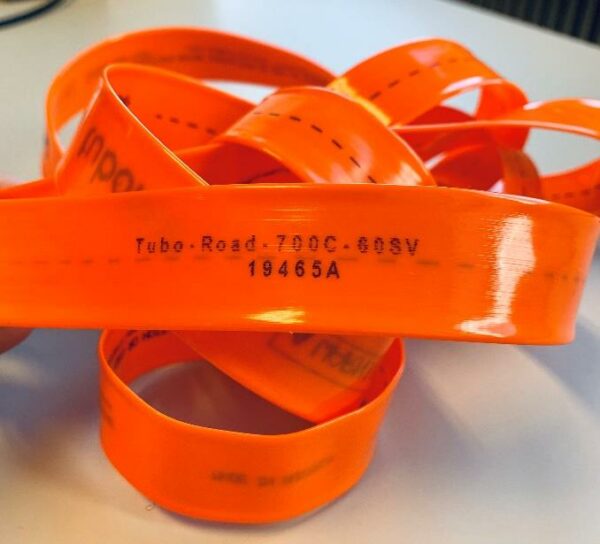
Granular Batch Code Etching for Factory Traceability

Factory Competitive Advantages at a Glance

Automated Ultrasonic Welding

Seamless joint fusion eliminating structural weak points near valve stems and cross-seams.

Rigorous Leak Testing

100% of manufactured units undergo a 48-hour pressure holding test at 1.5x working PSI prior to final packaging.

Custom OEM/ODM Branding

Full support for custom valve color anodization (Presta/Schrader), length options (45mm/60mm/85mm), and private label packaging.

6. B2B Procurement & Technical FAQ

Direct technical answers addressing OEM engineering, customs classification, testing standards, and order logistics.

What CE certifications and international safety standards apply to cycling tubes?
Cycling inner tubes exported to European and international markets must comply with ISO 4210 (Safety requirements for bicycles) and EU REACH Regulation (EC) No 1907/2006 regarding chemical safety (absence of restricted SVHCs, phthalates, and heavy metals). Our products carry complete CE compliance declaration documentation, RoHS compliance test certificates, and factory ISO9001 management accreditations.
How does TPU inner tube repair differ from traditional butyl patches?
Conventional vulcanizing rubber cement and rubber patches do not form a chemical bond with Thermoplastic Polyurethane. TPU tubes require specialized elastomer patch kits (such as alcohol-cleaned self-adhesive TPU films or TPU-specific solvent glues). As a factory supplier, we offer co-branded retail-ready TPU patch kits designed specifically for inclusion in aftermarket product lines.
Are ultralight TPU tubes compatible with carbon rim-brake wheelsets?
Compatibility depends directly on tube wall thickness and heat dissipation specs. Ultralight variants (<25g, such as S-TUBO) are strictly recommended for disc-brake configurations due to peak friction heat generated during prolonged rim braking. However, standard-wall TPU models and high-temp formulation series are certified for use with rim-brake carbon and alloy rims. Detailed fitment parameters are listed on every product datasheet.
What are the harmonized tariff system (HS Codes) for global customs reporting?
Depending on material composition: Thermoplastic Polyurethane (TPU) inner tubes and industrial hoses are typically classified under HS Code 3917.32 (Tubes, pipes and hoses, flexible, of plastics, not reinforced). Traditional rubber inner tubes fall under HS Code 4013.90 (Inner tubes, of rubber, for bicycles and other vehicles). Our export team provides full commercial invoice documentation with verified HS classification to ensure streamlined customs clearance.
What is the Minimum Order Quantity (MOQ) and production lead time for OEM orders?
Standard factory MOQ for stock configurations is 500 units per spec. Custom OEM branding orders (custom packaging, custom laser etching, specialized valve anodization in 45mm, 60mm, or 85mm lengths) generally carry an MOQ of 2,000 units per SKU. Standard mass production lead time is 15 to 25 business days from sample approval and deposit confirmation.
Why do TPU inner tubes show superior long-term shelf life over natural or synthetic rubber?
Butyl and natural rubber polymers are prone to thermo-oxidative degradation, ozone cracking, and sulfur migration over prolonged storage, causing embrittlement. Thermoplastic Polyurethane possesses inherent resistance to ozone, UV exposure, and hydrolytic degradation. TPU tubes remain fully flexible and structurally stable for over 5+ years in warehouse conditions, dramatically reducing inventory aging write-offs.

Partner with a Certified TPU Tube Manufacturer Today

Whether you are launching a lightweight premium road line, upgrading your OEM bicycle component specifications, or optimizing industrial pneumatic supply chains, our engineering team provides end-to-end technical support and factory-direct pricing.