
Why Do Folding Bike Inner Tubes Keep Going Flat?
Folding bike inner tubes often fail for ordinary reasons, not mysterious ones. A sharp rim edge, a trapped tube, or low pressure can create repeated punctures. The damage may appear as two small bites on the tube. That pattern usually indicates a pinch flat.
Industry data rarely separates folding bicycles from other bicycle categories. This limitation matters. The Bicycle Association’s Market Data reports continued pressure on bicycle retail and repair services, while PeopleForBikes’ U.S. Bicycle Industry Data reports show that maintenance remains important as riders keep using existing bikes. These reports provide useful market context, but they do not measure flat-tire frequency directly.
Jan Heine, publisher of Bicycle Quarterly, has written, “The tire is the suspension of your bicycle.” That principle explains much of the problem. A small folding-bike wheel meets bumps more sharply than many full-size wheels. Insufficient pressure leaves less air volume to absorb that impact. The tube then strikes the rim, even when no glass is visible.
Check the basics.
Look for a displaced rim tape, a loose valve, or a tube twisted during installation. A nearly invisible thorn can also remain inside the tire casing. Folding tires may shift slightly after storage, especially when packed tightly. This detail is easy to overlook. I would not treat pressure charts as perfect, either; rider weight, luggage, tire width, and road surface change the correct setting. A careful diagnosis beats replacing another tube blindly.
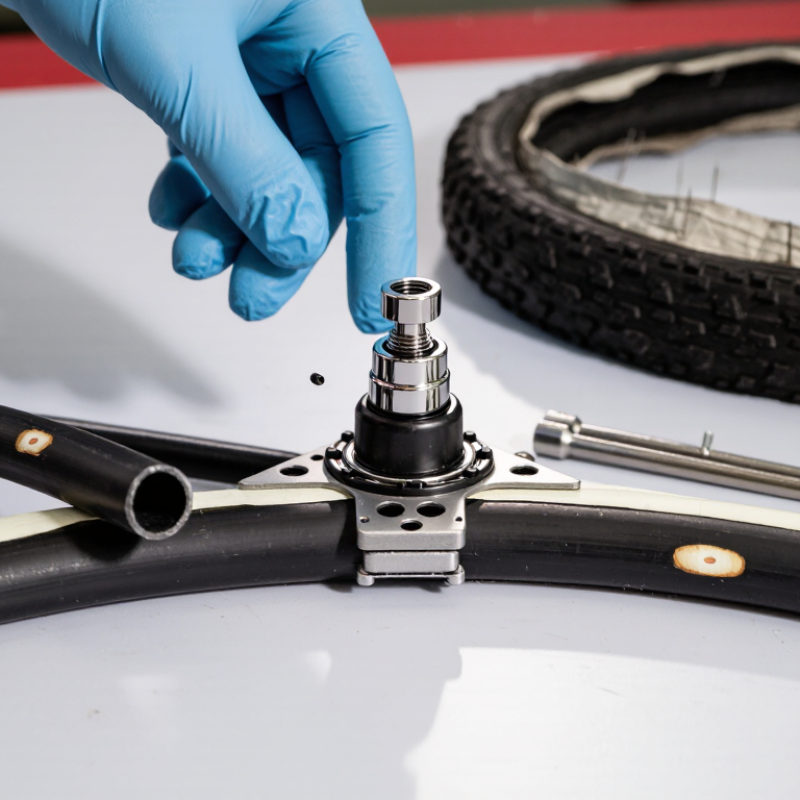
Why Do Folding Bike Inner Tubes Keep Going Flat?
A folding bike inner tube holds air inside a flexible rubber chamber. The tube sits between the rim and the tire, then expands when inflated. Its valve controls airflow during pumping and riding. A small tube has little air volume, so pressure changes quickly. Even a minor leak can become noticeable overnight.
In my repair experience, repeated flats often come from pinched rubber, sharp rim edges, or incorrect pressure. Low pressure allows the tube to fold under the tire, creating two small cuts called a pinch flat. High pressure can stress weak areas near the valve. Slow leaks may come from tiny punctures, loose valve cores, or damaged rim tape. Cold weather also lowers pressure slightly. That detail is easy to overlook. A tube may appear faulty when the real problem is inside the wheel.
Tips: Inflate the tube before installation and check for uneven bulges. Run a clean cloth around the rim to find sharp points. Inspect the tire carefully for glass, wire, or grit. Match pressure to the rider’s weight, tire size, and road surface. After fitting, ensure the tube is not trapped beneath the tire bead. I sometimes rush this step, and that mistake can cause a flat within minutes. Test suspected leaks in water, then mark every escaping bubble. Replace damaged tubes rather than stretching them repeatedly.
How folding bike inner tubes work and why they lose air
Repeated flats usually come from a small, hidden problem. A sharp rim edge, loose spoke head, or trapped tube can puncture the same area repeatedly. The European Tyre and Rim Technical Organisation’s 2024 standards stress correct tyre-and-rim compatibility, including matching size and approved pressure limits. A folding bike’s smaller wheel also experiences sharper impacts from potholes and curb edges.
Pinch flats leave two nearby holes, often called a “snake bite.” They happen when low pressure lets the rim crush the tube against the tyre. Overinflation is not a perfect fix. It can reduce grip and make impact damage harsher. The U.S. National Highway Traffic Safety Administration advises regular bicycle maintenance and pre-ride checks, but riders often inspect only the tyre surface. I have made that mistake. The puncture looked repaired, yet a tiny glass fragment remained inside.
Tips: Remove the tyre completely. Run a cotton cloth around the casing. Any snag may reveal hidden debris. Check the rim tape for gaps, wrinkles, or movement. Install the tube with slight inflation, then confirm it is not trapped beneath the bead. Match the tube size to ISO 5775-2 guidance and use the pressure range printed on the tyre. Check pressure weekly, not only after a flat. Five minutes can prevent another roadside repair.
When a folding bike inner tube keeps going flat, inspect the tube before replacing it. Remove the wheel and release all air carefully. Inflate the tube slightly, then listen for escaping air near the valve. A valve that bubbles in soapy water may have a damaged core or base.
Submerge the inflated tube in water and watch for a steady stream of bubbles. Mark the leak with chalk. One small hole often indicates glass, wire, or thorn damage. Two matching cuts usually suggest a pinch flat from low pressure or a hard impact. I have sometimes missed tiny punctures near the valve, especially under poor lighting.
Next, inspect the tire inside and outside. Run a clean cloth slowly through the casing. Stop if the cloth catches on hidden debris. Check the bead for uneven seating, then examine the rim tape for gaps, folds, or exposed spoke holes. A sharp rim edge can puncture a tube repeatedly. Spin the wheel and watch for side-to-side movement or a loose spoke. Confirm the tire pressure with a gauge, not by squeezing it. Pressure recommendations can vary, and my usual setting is not always correct after carrying luggage. Refit the tube without twisting it, then check that no rubber is trapped beneath the tire bead.
Riding conditions often create punctures before riders notice the damage. Wet roads move grit into the tire tread, while sharp glass can remain hidden for several rides. Small wheels also meet pothole edges more abruptly. That impact can pinch the tube between the rim and tire. It feels like a puncture, but the tube may show two short cuts instead.
Cold weather adds another problem. A 10°C temperature drop can reduce tire pressure by roughly 2 psi at common commuter pressures. The U.S. CPSC’s 2022 NEISS report estimated 425,910 bicycle-related emergency-department injuries, although it does not separate tire failures. That limitation matters.
Bike setup is equally important. Check pressure with a gauge, not with your thumb. A tube running too soft bottoms out on rough pavement. Excessive pressure can reduce grip and make impacts harsher. The ETRTO Standards Manual 2024 stresses matching tire, rim, and approved pressure ranges.
Folding bikes need careful checks because compact wheels have less air volume and lose pressure faster. Inspect the rim tape for exposed spoke holes. Confirm that the valve sits straight. Remove grit from the tire casing with your fingers, slowly. I have missed tiny glass splinters before, and the replacement tube failed again the next morning. That mistake is easy to repeat. Track pressure weekly, especially after carrying luggage or riding wet streets.
Folding bike inner tubes often go flat because small wheels meet sharp edges at steeper angles. Low pressure can pinch the tube between the rim and tire. A loose valve, damaged rim tape, or tiny glass fragment can also cause slow leaks. The U.S. Consumer Product Safety Commission estimated 425,910 bicycle-related emergency-department injuries in 2022. That figure is not a flat-tire statistic, but it shows why basic inspection deserves attention.
Check pressure before every longer ride, using a reliable gauge rather than squeezing the tire. Follow the pressure range printed on the tire and rim guidance. Inspect the tread with a bright light. Remove glass carefully. During installation, ensure the tube is evenly seated and not trapped under the bead. I have still missed small thorns after careful checks. That is a useful reminder: inspection is not perfect. Replace damaged rim tape, and tighten the valve nut only by hand. Excess force may damage the valve area.
Tips: Carry a pump, tire levers, and a correctly sized spare tube. Practice changing it at home. After fitting a new tube, inflate it slightly and check both sidewalls for a uniform line. The ETRTO 2024 technical standards emphasize compatible tire, rim, and pressure dimensions. Do not exceed the lowest stated limit. Check pressure weekly, even when the bicycle is parked. Temperature changes and storage can quietly reduce pressure.
Its small air volume makes pressure changes noticeable. Even a tiny puncture may flatten the tire overnight.
Two short cuts usually indicate a pinch flat. Low pressure lets the tube fold against the rim during an impact.
Inflate the tube slightly and submerge it in water. Mark each steady stream of bubbles with chalk.
Check the valve core and base for bubbles, cracks, or looseness. The valve should stand straight after installation.
Yes. Glass, wire, grit, or thorns may remain inside the casing. Run a clean cloth slowly through the tire.
Sharp rim edges, folded tape, or exposed spoke holes can cut rubber repeatedly. Inspect the rim tape carefully.
Follow the tire and rim pressure ranges. Consider rider weight, luggage, tire size, and road surface.
Yes. A 10°C temperature drop may reduce pressure by roughly 2 psi at common commuter pressures. Check it with a gauge.
Inflate it slightly, keep it untwisted, and check beneath the tire bead. Trapped rubber can fail within minutes.
The original cause may remain inside the tire or wheel. I sometimes miss tiny glass splinters, so I now inspect slowly.
Folding bike inner tubes are designed to hold air inside compact tires, but their smaller size and frequent folding use can make them sensitive to pressure, friction, and installation errors. Repeated flats may result from sharp debris, pinched tubes, rim tape damage, worn tire surfaces, loose spokes, or riding with insufficient air pressure. Slow leaks can also develop around the valve or from tiny punctures that are difficult to notice immediately.
To find the cause, remove and inspect the tube, tire, rim, valve, and inner tire surface carefully. Check for embedded glass, thorns, rough edges, or areas where the tube has been rubbing. Riding over potholes, curbs, and uneven roads increases the risk of pinch flats, especially when the bike is overloaded or the tire pressure is too low. Preventive steps include maintaining suitable pressure, checking the tire before each ride, fitting the tube carefully without twisting it, replacing damaged rim tape, removing debris promptly, and carrying basic repair tools for quick maintenance.