
0%

A flat tire can interrupt a commute, a weekend ride, or a long stretch of gravel. Extra tough bicycle inner tubes are designed with thicker or more robust materials than many standard tubes, offering added resistance to common punctures and pinch flats. They are worth considering for riders who regularly cross rough shoulders, carry heavy loads, or find themselves patching tubes too often. The extra protection can make a real difference. But no tube is puncture-proof.

Choosing one involves more than looking for the thickest option. Check the tube’s wheel diameter and width range against your tire, and confirm that its valve matches your rim. A tube that is too wide or poorly fitted may be harder to install and can be pinched beneath the tire bead. Take your time. Inspect the tire for glass, thorns, or wire before fitting a replacement, and inflate it to a pressure within the tire maker’s stated range. These small checks matter.

A tougher tube may weigh more, cost more, or feel less supple than a lighter alternative. The trade-off depends on your routes, riding style, and tolerance for extra weight. Product descriptions can be vague, so compare stated dimensions and materials rather than relying on the word “tough” alone. Even careful riders sometimes miss a tiny shard in the casing. That is a useful reminder: stronger equipment helps, but good maintenance and sound installation still count. The sections ahead explain what these tubes offer, where they make sense, and what to check before buying.
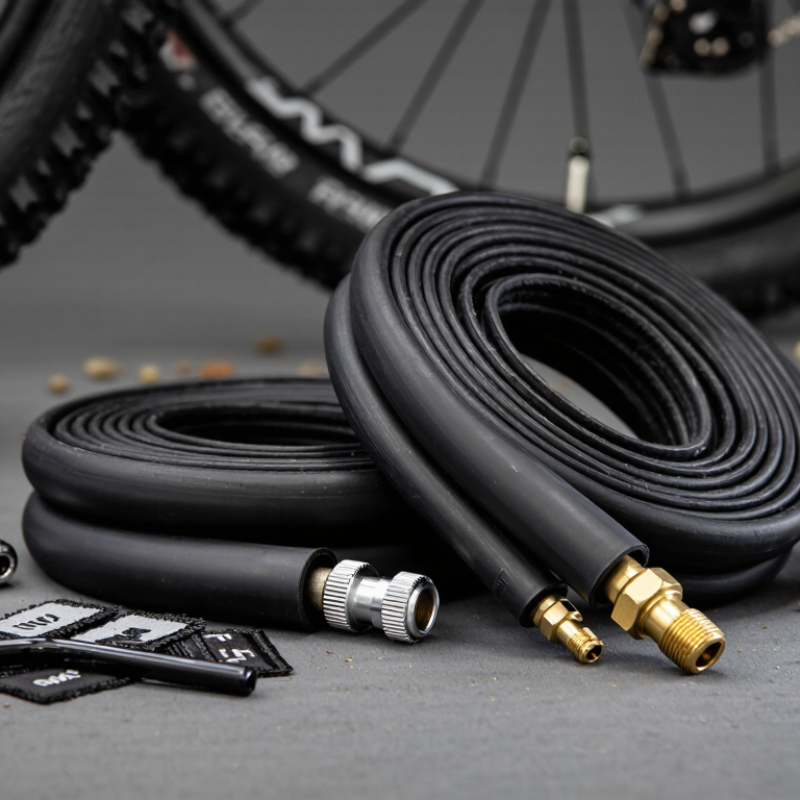
Why Choose Extra Tough Bicycle Inner Tubes?

What Makes a Bicycle Inner Tube Extra Tough?

An extra-tough bicycle inner tube usually gains protection from thicker rubber, a more durable rubber compound, or both. Some designs reinforce areas near the tread or valve base, where rubbing and stress can cause trouble. The exact construction varies, so “heavy duty” is not a universal technical standard. Look for clear sizing and material details, not just a bold label. Small details matter.

Fit matters as much as construction. A tube that is too wide can bunch inside the tire, while one that is too narrow may stretch more than intended. Match its stated width and valve type to your tire and rim. Before fitting, feel carefully inside the tire for debris; a tiny wire can remain embedded after a puncture. Inflate within the tire maker’s recommended range and check that the tube is not trapped beneath the bead. A thicker wall can resist some pinches and small punctures, but it may add weight and slightly dull the ride. That difference can be noticeable on repeated climbs, though pressure matters too. No tube is puncture-proof. I’d treat “extra tough” as added protection, not a promise; it’s easy to expect too much from the label.

How Reinforced Tubes Resist Punctures and Pinch Flats

A reinforced inner tube has a thicker or strengthened wall, so sharp debris must work harder to reach the air chamber. Small glass chips, thorn tips, and rough gravel can still cause punctures, but added material may help resist everyday damage. No tube is puncture-proof. That distinction matters on rides where a roadside repair would be difficult.

Pinch flats happen when a tire compresses against the rim and traps the tube, often over a sharp edge or pothole. The impact can leave two small cuts, sometimes called a snakebite. Reinforcement can make the tube more resistant to cuts, but it cannot prevent every pinch flat. Tire pressure still matters: too little pressure lets the tire collapse more easily, while too much can reduce grip. Choose pressure for your tire, load, and riding surface.

Extra rubber adds some weight and can make a tube less supple. That trade-off is easy to overlook. During installation, check that the tube sits flat inside the tire and is not trapped beneath the bead. A careful fit, sound rim tape, and sensible pressure all help the reinforced tube do its job.

Why Choose Extra Tough Bicycle Inner Tubes? - How Reinforced Tubes Resist Punctures and Pinch Flats
Comparison Dimension Standard Butyl Tube Extra-Tough Reinforced Tube Practical Takeaway
Typical tube wall Often around 0.8–1.0 mm, depending on size and design Often thicker, roughly 1.2–1.5 mm in some reinforced designs A thicker wall gives sharp debris more material to penetrate, but specifications vary by model.
Resistance to small punctures Baseline protection; susceptible to sharp, narrow objects Generally improved against some small thorns and road debris Reinforcement reduces risk; it does not make a tube puncture-proof.
Pinch-flat protection More vulnerable when the tire bottoms out against a rim edge Extra material may provide some additional protection, but pinch flats can still occur Correct tire pressure and avoiding hard impacts remain essential.
Weight Usually lighter than a comparable thick-wall tube Usually heavier; the difference depends on wheel size and construction A useful trade-off for riders who value durability over minimum weight.
Ride feel and rolling resistance Often chosen where lower weight and a supple feel are priorities May feel less supple; actual rolling resistance depends on the whole tire system Tire pressure, casing, tread, and road surface also affect comfort and efficiency.
Suitable riding conditions Roads and paths with relatively low puncture risk; weight-conscious riding Debris-prone routes, commuting, touring, and riders seeking added durability Choose a tube that matches the tire size, valve type, and intended riding conditions.
Best prevention practice Inspect tires and maintain pressure within the tire maker’s recommended range Use the same pressure and inspection practices; check for embedded debris regularly Neither tube type replaces a suitable tire, correct fit, or regular maintenance.

Note: Thickness and performance vary by tube size and construction. The ranges shown are typical examples, not universal specifications; consult the product details for exact measurements.

Which Riding Conditions Benefit Most from Extra-Tough Tubes?

Extra-tough bicycle tubes are most useful where sharp debris and repeated impacts are part of the ride. Gravel lanes may hide flint, thorn tips, or bits of wire beneath loose stones. Urban commuters face glass near curbs and construction grit on detours. A sturdier tube can reduce some punctures from these hazards. It is not puncture-proof.

Riders carrying groceries, a child seat, or touring bags may also benefit. Added weight can increase pressure on the rear wheel, especially over potholes and broken pavement. On rough trails, a firm impact can pinch a tube between the tire and rim. Extra tube material may offer some added resistance, but suitable tire pressure and careful line choice still matter. I would not rely on tube thickness alone.

Remote rides are another good fit. A flat several miles from the nearest repair shop can turn a pleasant outing into a long walk. For regular road riding on smooth pavement, however, a standard tube may be lighter and perfectly adequate. Tougher tubes can add weight and sometimes feel less supple. Check the tire’s recommended size and pressure, too. Small details count. A tube that is too large or poorly installed can still fail, and I still inspect mine after rough rides.

What Trade-Offs Come with Extra-Tough Inner Tubes?

Extra-tough bicycle inner tubes can add reassurance on rough roads, but that protection has trade-offs. Thicker rubber usually weighs more than a standard tube. You may notice the extra rotational weight most when accelerating or climbing. The difference is often modest, though sensitive riders may feel it. Not every bike needs that added toughness.

A thicker tube can also feel less supple, which may slightly dull the ride over small bumps. It is not a guarantee against flats. Sharp debris can still pierce the rubber, and an underinflated tire can still suffer a pinch flat. Fit matters, too: a tube that is too wide or poorly suited to the tire may be difficult to install. I have seen riders focus on thickness and overlook tire pressure; that is an easy detail to miss.

Tips: Check the tube’s size range against your tire, and weigh it if every gram matters. Keep a suitable spare on longer rides. Inflate to a pressure appropriate for your tire and load, then inspect the tread for embedded grit. If punctures continue, look for the cause before choosing a heavier tube.

Why Choose Extra-Tough Bicycle Inner Tubes? What Trade-Offs Come with Them?

How to read this chart: “Typically higher” describes a common trade-off, not a measured score. Extra-tough tubes are generally heavier and bulkier, while their thicker construction can improve resistance to some punctures. Rolling resistance and price vary by tube, tire, and setup; no consistent direction applies.

How to Choose and Maintain an Extra-Tough Inner Tube

Choosing an extra-tough inner tube starts with fit, not thickness. Match the tube’s diameter and width range to your tire, then check that its valve fits the rim. A tube that is too narrow can stretch excessively; one that is too wide may fold during installation. Lay the tube beside the tire before inflating it. Look for cuts, bulges, or a valve base that feels loose. Small details matter.

Independent testing can help compare protection and speed. Bicycle Rolling Resistance’s published laboratory test data reports puncture protection as force in newtons and rolling resistance in watts. Compare results only under similar test conditions; a laboratory score cannot predict every road hazard. Extra material may add weight or rolling drag, so the toughest option is not automatically the best choice for every ride. I would rather accept a little extra weight than repeatedly repair flats on rough commutes, though that trade-off is personal.

Maintenance keeps a tough tube useful. Inflate it within the tire maker’s stated pressure range, and check pressure before longer rides. Examine the tire’s inner casing and rim tape when replacing a tube; a shard or exposed spoke hole can puncture a new one. Seat the tube without twisting it, then inflate gradually and inspect both tire beads. Not glamorous. Replace a tube with a damaged valve or a large, weakened patch, even if it still holds air today.

FAQS

What makes a bicycle inner tube extra tough?

It usually has thicker rubber, a more durable compound, or reinforcement near the tread or valve base. “Heavy duty” is not a universal standard. Check the size and material details.

Can a reinforced tube prevent every puncture?

No. Extra material may help resist glass chips, thorn tips, and rough gravel, but sharp debris can still reach the air chamber. It helps, sometimes.

What causes a pinch flat?

A hard impact can press the tire against the rim and trap the tube. This may leave two small cuts, often called a snakebite. Low pressure can make this more likely.

Which rides may benefit from a tougher tube?

Gravel lanes, glass-strewn city streets, and rough trails can expose tubes to more hazards. Touring bags or groceries also add load, especially to the rear wheel. I might still overestimate what tube thickness can do.

Does a tougher tube add weight?

Usually, yes. The extra rubber can make the ride feel less supple, and the difference may stand out on repeated climbs. Pressure matters too.

How should I check that a tube fits?

Match its stated width and valve type to the tire and rim. Feel inside the tire for debris, including a tiny wire. Make sure the tube is not trapped beneath the bead.

Is a tougher tube useful for smooth road riding?

A standard tube may be lighter and adequate on smooth pavement. For remote rides, extra resistance can be helpful if a flat would mean a long walk. I still inspect mine after rough rides.

Conclusion

Extra tough bicycle inner tubes are designed with thicker walls or reinforced materials to better withstand punctures and pinch flats. Their added protection can help reduce interruptions from sharp debris, rough surfaces, and impacts that compress a tire against the rim. They may be especially useful for commuting, touring, gravel riding, or routes where road conditions are unpredictable.

The extra durability can come with trade-offs: these tubes may weigh more, take up more space, or feel less supple than standard options. Choosing the right tube means checking tire size, valve type, and compatibility with your wheel, then weighing protection against weight and ride feel. Regularly inspect the tire and tube, maintain suitable tire pressure, and remove debris to help prevent damage. Extra tough bicycle inner tubes can offer added confidence when their protection matches your riding conditions.

Oliver

Oliver

Oliver is a professional marketing specialist with a strong understanding of product strategy, customer needs, and digital communication. As a valued member of our team, he combines practical market insight with a detailed knowledge of the company’s products, services, and operating principles. His......