
0%

China’s lightweight road bike inner tubes market is gaining attention as riders seek lower rotating weight, dependable air retention, and practical value. A few grams can change the feel of a climbing bike. Installation still matters more than many buyers admit.

Grand View Research’s bicycle market analysis identifies performance cycling as a technology-driven segment, while IMARC’s 2024 industry review highlights continuing demand for lighter, higher-value bicycle components. These reports do not isolate inner tubes, however. That limitation deserves attention. Tube-specific market statistics remain fragmented across manufacturers, distributors, and regional databases.

For buyers comparing a China supplier, product claims need technical evidence. Look for measured tube weight, valve length, wall thickness, material specification, burst testing, and batch traceability. A 700×25C tube weighing 65 grams may sound impressive, but inconsistent molding can erase that advantage. The valve should sit straight. The seam should look clean. The rubber must not feel brittle after storage.

Lennard Zinn, bicycle mechanic and author of Zinn & the Art of Road Bike Maintenance, emphasizes, “The lighter the tube, the more carefully it must be installed.” This practical warning remains highly relevant. Lightweight road bike inner tubes can improve responsiveness, but they cannot compensate for poor tire fitting or unsuitable pressure.

Reliable Chinese suppliers should provide sample testing, ISO-aligned quality procedures, inspection records, and clear warranty terms. Certifications alone are not enough. Real-world consistency matters. This guide examines how to evaluate China’s leading suppliers without confusing a low catalog price with dependable performance.
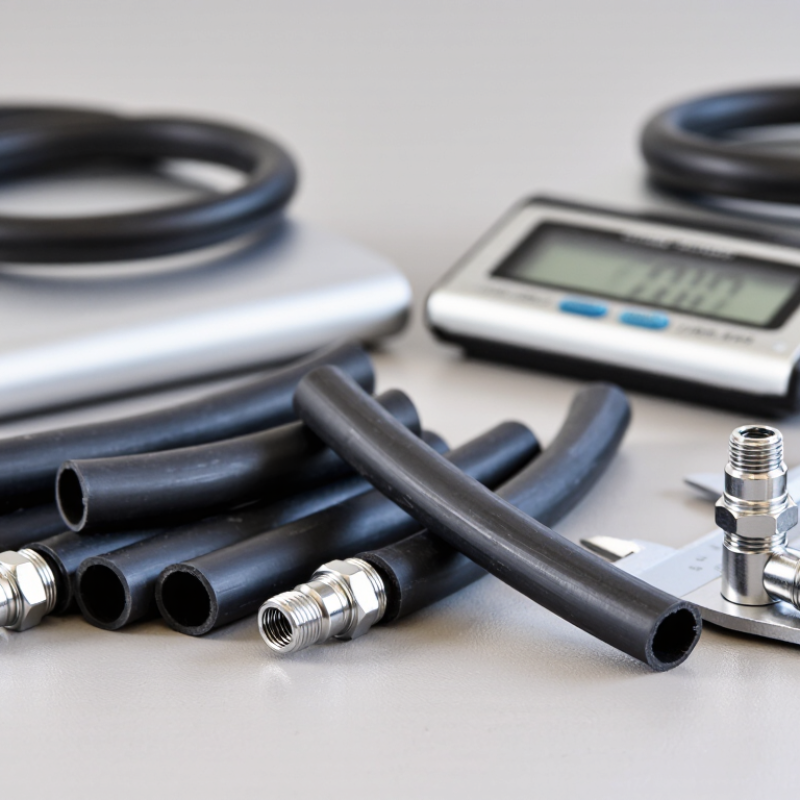
China Top Lightweight Road Bike Inner Tubes Supplier?

What Are Lightweight Road Bike Inner Tubes?

What Are Lightweight Road Bike Inner Tubes?

Lightweight road bike inner tubes are inflatable inserts placed inside clincher tires. They hold air and support the rider’s weight during each ride. Their reduced weight comes from thinner walls or advanced materials, such as thermoplastic polyurethane. Some models use lightweight rubber instead. A typical tube weighs less than a standard training tube, which can slightly reduce rotating mass. The difference feels subtle, not magical. Correct sizing remains more important than saving a few grams. The tube must match the tire width and wheel diameter. Its valve should also fit the rim depth and pump connection. In practical fitting work, poor sizing causes more trouble than tube weight.

Tips: Check the printed tire size before ordering. Inspect the tube for folds, cuts, or uneven seams. Inflate it slightly before installation, then check that it sits evenly. Keep a spare tube for roadside repairs. Lightweight materials can be less forgiving when pinched during fitting.

A reliable supplier should provide clear specifications, consistent wall thickness, and tested valve construction. Ask about air retention, puncture resistance, temperature performance, and quality inspection. These details matter during long descents and rough road sections. A lightweight tube may improve responsiveness, but it can sacrifice durability if designed poorly. I have seen riders chase minimal weight and overlook installation technique. That choice often creates avoidable punctures. For daily training, a slightly heavier tube may be the wiser option. Availability also matters when replacements are needed quickly.

What Are Lightweight Road Bike Inner Tubes?

Lightweight road bike inner tubes are designed to reduce rotating weight while maintaining suitable air retention and puncture resistance. Typical weights vary by wheel size, valve length, tube thickness, and material. The values shown are representative midpoint weights for 700c road-bike tubes based on commonly published generic specifications.

Which Materials and Valve Types Are Available?

China Top Lightweight Road Bike Inner Tubes Supplier?

Road bike inner tubes commonly use butyl, TPU, or latex. Each material changes weight, comfort, durability, and price. Butyl tubes are reliable and easier to install. They tolerate everyday training and rougher road surfaces. TPU tubes are lighter and pack smaller for racing or emergency storage. However, they need careful mounting because pinching can cause leaks. Latex tubes offer a smooth ride feel. They also lose air faster. That detail is easy to overlook.

Valve choice matters just as much. Presta valves suit narrow road rims and high-pressure tires. Their slim bodies fit smaller valve holes. Schrader valves are wider and usually found on utility or mountain wheels. Valve length should match the rim depth. A deep carbon rim may need a longer valve. Too short is frustrating. Too long can catch on equipment. In supplier evaluations, I check valve bonding, thread quality, weld strength, and inflation testing. A low listed weight means little without reliable inspection records.

Tips: Ask for material samples before placing a large order. Compare actual weights from several pieces, not one sample. Check the tube after installation and inflate it slowly. I have seen small molding marks become larger failures after repeated riding. Suppliers should provide size ranges, pressure guidance, valve options, and batch traceability. Packaging also deserves attention. Folded TPU tubes need protection from sharp edges and heat. Specifications can look perfect, yet field testing may reveal weaknesses. That is why practical trials remain necessary.

China Top Lightweight Road Bike Inner Tubes Supplier? - Which Materials and Valve Types Are Available?
Tube Material Typical Weight Potential Puncture and Air-Retention Characteristics Ride and Installation Considerations Common Road-Bike Use Available Valve Types Typical Valve Lengths Supplier Specification Points to Confirm
Standard Butyl Rubber Moderate; generally heavier than latex or TPU at the same size Good durability and comparatively low air loss; suitable for regular daily use Easy to install and widely compatible with standard tire levers and pumps Training Commuting General road riding Presta; Schrader in selected sizes Approximately 32–80 mm, depending on rim depth and product design Butyl compound, wall thickness, seam quality, valve-to-tube bonding, size range, and inflation-pressure rating
Lightweight Butyl Rubber Lower than standard butyl because of reduced wall thickness Good balance of air retention and puncture resistance; thinner walls require careful installation Light and practical, but the tube should be checked carefully for pinching between the tire bead and rim Performance training Sportive riding Weight-conscious setups Primarily Presta; Schrader may be available for compatible rims Approximately 40–80 mm Declared tube weight, minimum tire width, recommended pressure range, wall thickness, and valve-core construction
Thermoplastic Polyurethane (TPU) Very low; commonly selected for compact spare kits and weight-sensitive builds Low air permeability and good resistance to many puncture causes; performance depends on film thickness and formulation Requires careful mounting and correct patching procedures; some products require dedicated adhesive patches Racing Climbing Emergency spare Presta; some designs use a bonded metal or polymer valve assembly Approximately 40–80 mm TPU grade, film thickness, repair method, operating-temperature range, valve bonding, rolling resistance data, and storage requirements
Latex Rubber Low; often lighter than standard butyl but typically not as light as the thinnest TPU products Higher air permeability than butyl, so pressure may need to be checked more frequently; flexible material can offer low rolling resistance More sensitive to installation damage, rim-tape defects, oils, and prolonged exposure to heat or ultraviolet light Race-oriented riding Performance testing Primarily Presta Approximately 40–80 mm Latex formulation, wall thickness, recommended inspection interval, storage guidance, valve bonding, and compatibility with tire and rim combinations
Recycled or Bio-Attributed Rubber Formulation Varies according to the percentage and type of alternative material used Must be evaluated through product-specific air-retention and puncture tests; performance cannot be assumed from the material description alone Installation behavior should be comparable to the underlying rubber formulation when properly engineered Sustainability-focused ranges General riding Presta; Schrader where the mold and valve design support it Approximately 32–80 mm Recycled-content percentage, traceability, rubber compound, test standards, odor, aging performance, and batch consistency
Butyl Rubber with Removable Valve Core Moderate to low, depending on tube thickness and valve hardware Good air retention; removable core allows sealant addition or valve-core replacement Useful for deep-section rims and maintenance, but the core must be tightened correctly to prevent leakage Training Tubeless-compatible spare use Deep-rim applications Presta with removable core Approximately 60–100 mm, depending on rim depth and extension requirements Core-removal tool compatibility, valve-core seal, extension compatibility, locknut design, and pressure testing
Butyl Rubber with Fixed Valve Core Moderate to low, depending on tube size and wall thickness Good air retention and simple construction; the valve core is not intended to be removed Simple and reliable for standard rims; less flexible for adding sealant or changing valve extensions Training Commuting Rental fleets Presta; Schrader in selected tube sizes Approximately 32–80 mm Valve-core type, thread dimensions, valve angle, bonding strength, leak rate, and compatibility with pump heads
Any Lightweight Tube with Extra-Long Presta Valve Material-dependent; longer valves add a small amount of hardware weight Air-retention performance depends mainly on the tube material and valve seal Designed for deep-section rims; a valve extension may be needed when the available valve length is insufficient Deep carbon rims Aero wheelsets Presta Common options include 60, 70, and 80 mm; longer lengths may be available by request Usable exposed length, valve straightness, thread compatibility, extension type, locknut, dust cap, and leak testing
Schrader-Valve Tube for Road-Compatible Rims Usually moderate; valve hardware and larger rim-hole requirements may increase system weight Good air retention when correctly manufactured and installed Requires a rim drilled for Schrader valves; it is not suitable for a standard Presta-only rim without compatible drilling Selected hybrid bikes Utility road setups Schrader Commonly approximately 32–48 mm Rim-hole compatibility, valve-seat design, tube size, pressure rating, and pump-head compatibility
Presta-Valve Tube for Standard Road Rims Available in standard, lightweight, TPU, and latex constructions Performance depends on the selected tube material; Presta valves are commonly used on narrow road rims Fits smaller rim holes and supports high-pressure road applications; the valve nut should be handled without excessive force Road racing Endurance riding Most narrow road rims Presta Commonly 32, 40, 48, 60, and 80 mm Valve diameter, core type, valve length, locknut, sealing washer, cap, pressure rating, and rim compatibility

How to Evaluate a Chinese Inner Tube Supplier

Choosing a Chinese lightweight road bike inner tube supplier requires more than comparing prices. The tube must match your riding conditions, rim size, valve type, and target weight. A supplier should provide clear material specifications, dimensional tolerances, and inflation-retention test results. Ask for batch records, not only attractive samples.

During supplier evaluations, I examine production equipment, mold maintenance, and inspection procedures. I also check whether workers measure wall thickness and valve bonding during production. A reliable factory can explain its rubber compound, curing process, and defect-handling method without hesitation. Request several samples from different batches. One perfect sample proves little. It may have received extra attention.

Communication reveals practical capability. The supplier should confirm minimum order quantities, lead times, packaging details, and replacement procedures in writing. English documents should be precise enough for your quality team to review. Factory photographs help, but an independent audit gives stronger evidence. Video tours can hide inconvenient details. That matters.

Test samples in realistic conditions. Install them on the intended rim, inflate them gradually, and inspect stretching near the valve. Record weight, leakage, seam quality, and overnight pressure loss. Repeat the test after storage and temperature changes. I would also ask for corrective-action reports from previous production issues. No manufacturer has a perfect record. A supplier that admits weaknesses may be more dependable than one claiming zero defects. supplier performance should be judged over several deliveries, not one successful shipment.

What Quality Standards Should Buyers Check?

When choosing a lightweight road bike inner tube supplier in China, buyers should examine measurable quality standards, not attractive weight claims. The tube should match the declared tire and rim dimensions, with consistent wall thickness across the sample. Compatibility should follow recognized bicycle sizing standards, such as ISO 5775, where applicable. A small mismatch can cause folding, pinching, or sudden air loss.

Ask for test records covering air retention, tensile strength, elongation, valve pull resistance, and burst pressure. For road use, inspect the valve base carefully. It should sit straight, remain firmly bonded, and resist repeated inflation. Random samples from several production batches reveal more than one perfect sample. Factory quality systems, such as ISO 9001 certification, can support process control, but certification alone does not prove tube performance. Request batch numbers, inspection limits, and recent independent laboratory reports.

Lightweight construction often reduces material, so buyers must examine the trade-off between grams and durability. Very thin tubes may feel fast during installation but can suffer from easier pinching. That matters. Ask the supplier to perform inflated aging, temperature cycling, and puncture-related tests under documented conditions. I would also install samples on actual road wheels before approval. Laboratory results help, yet they cannot reproduce every rough shoulder, sharp stone, or hurried roadside repair. Some suppliers may provide incomplete data. That is a warning, not a minor paperwork issue.

How to Compare Pricing, Customization, and Delivery Options?

China Top Lightweight Road Bike Inner Tubes Supplier?

How to Compare Pricing, Customization, and Delivery Options?

A low unit price does not always mean lower purchasing cost. Compare the full landed cost, including tooling, packaging, inspection, freight, taxes, and possible defect replacement. CONEBI’s European Bicycle Industry and Market Profile 2024 reported an 8% decline in bicycle sales across Europe in 2023. Softer demand makes cost control more important. Ask suppliers for quotes at several order quantities. A small price difference can become significant across thousands of tubes.

Customization should match real riding conditions. Confirm tube weight, butyl thickness, valve length, valve type, puncture resistance, and package design. Request dimensional samples and inflation tests before approval. Test reports should identify standards, batch numbers, and testing dates. Vague certificates are not enough. My comparison would still be imperfect without checking production consistency.

Tips: Compare five numbers: unit price, minimum order quantity, sample time, production time, and replacement policy. Request one sample from the normal production line. Delivery also needs careful review. UNCTAD’s Review of Maritime Transport 2024 states that ships carry over 80% of global merchandise trade by volume. Sea freight usually costs less, but air freight may protect urgent launches. Confirm shipping terms, carton dimensions, port charges, and tracking responsibility. Keep a small safety stock. It may prevent an expensive shortage.

FAQS

What should a buyer check before choosing an inner tube supplier?

Confirm the rim size, tire dimensions, valve type, and target weight. Ask for material details and dimensional tolerances. Do not compare prices alone. The tube must suit your riding conditions.

Why are samples from several batches important?

One excellent sample proves very little. It may have received extra attention. Request samples from different production batches. Compare weight, wall thickness, valve bonding, and leakage. This approach can reveal ordinary factory variation.

Which production details should a supplier explain?

Ask about rubber compounds, curing methods, equipment, and mold maintenance. Workers should measure wall thickness during production. They should also inspect valve bonding. A supplier avoiding these questions deserves caution.

What test records should buyers request?

Request air-retention, tensile-strength, elongation, and burst-pressure results. Check valve pull resistance too. Ask for batch numbers and inspection limits. Recent independent laboratory reports add useful evidence. Paperwork can still be incomplete.

How should lightweight construction be evaluated?

Lower weight often means less material. That can increase puncture or pinching risk. Install the tube on the intended rim. Inflate it gradually and inspect the valve area. A few saved grams may not justify weaker durability.

What practical tests should be performed before approval?

Record weight, seam quality, stretching, and overnight pressure loss. Repeat testing after storage and temperature changes. Use actual road wheels when possible. Laboratory results cannot copy every sharp stone or rough shoulder. Real conditions matter.

Which supplier documents should be confirmed in writing?

Confirm minimum order quantities, lead times, packaging, and replacement procedures. Request clear English documents for quality review. Factory photographs can help. An independent audit provides stronger evidence than photographs alone. Video tours may hide inconvenient details.

How should a buyer judge a supplier over time?

Evaluate performance across several deliveries. Do not rely on one successful shipment. Ask for corrective-action reports from earlier problems. No supplier has a perfect record. A company admitting weaknesses may be more dependable. I could still judge too quickly.

Conclusion

Lightweight road bike inner tubes are designed to reduce rotating weight while maintaining dependable air retention, puncture resistance, and ride comfort. Buyers can choose materials such as standard butyl, lightweight butyl, or premium thermoplastic options, depending on their performance goals, budget, and maintenance preferences. Valve selection is also important, with Presta and different valve lengths available to fit various road wheel rims.

When evaluating a Chinese supplier, buyers should review manufacturing experience, production capacity, inspection procedures, sample consistency, and communication efficiency. Quality checks should include dimensional accuracy, valve security, airtightness, durability, and compliance with applicable safety and material standards. Pricing should be compared alongside customization options, packaging, minimum order quantities, tooling costs, payment terms, and delivery schedules. A reliable supplier should offer transparent quotations, stable quality, practical lead times, and responsive after-sales support, helping customers build a dependable supply chain for Lightweight road bike inner tubes.

Oliver

Oliver

Oliver is a professional marketing specialist with a strong understanding of product strategy, customer needs, and digital communication. As a valued member of our team, he combines practical market insight with a detailed knowledge of the company’s products, services, and operating principles. His......