
ENDE
Choosing the right City touring bike inner tubes can make daily riding smoother, safer, and less frustrating. A reliable tube helps prevent sudden flats on commutes, errands, and weekend paths. However, many riders choose by price alone. That shortcut can fail beside a busy road.
This guide presents seven practical tips for selecting the correct tube. It examines wheel size, tire width, valve type, tube material, and riding conditions. A tube must match the tire, rim, and inflation range. Small details matter. A Presta valve may not fit a rim drilled for Schrader valves without the proper adapter. Likewise, an incorrectly sized tube can fold inside the tire and pinch easily.
Real-world use also matters. City streets often contain broken glass, sharp gravel, metal fragments, and rough drainage covers. Riders may need puncture resistance, dependable air retention, or a lightweight spare for longer journeys. Manufacturer specifications provide a strong starting point, but personal experience remains useful. One tube may perform well on clean bike lanes yet disappoint on poorly maintained roads. I have learned that “puncture-proof” claims deserve careful reading. No inner tube is completely immune to damage.
The recommendations ahead are based on common bicycle maintenance practices and practical inspection habits. You will learn how to compare options without trusting vague packaging promises. Check the sidewall markings. Carry a pump and tire levers. Test the fit before a long ride. A few minutes of preparation can prevent a long walk home. Even experienced cyclists occasionally overlook valve length or tube storage. That is worth remembering.
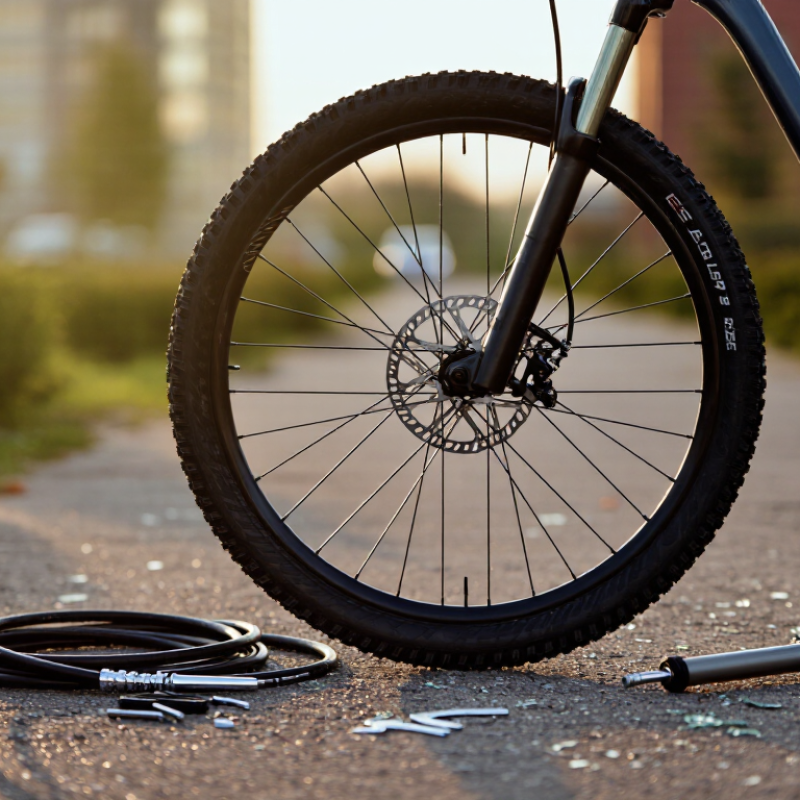
7 Tips for Choosing City Touring Bike Inner Tubes
Identify your city touring bike’s wheel and tire dimensions before buying an inner tube. The tire sidewall usually shows two measurements, such as 700 x 35C or 26 x 1.75. The first number indicates the approximate wheel diameter. The second describes tire width. Read both carefully. A similar-looking tube may still fit poorly.
For greater accuracy, check the ETRTO measurement printed near the tire size. It uses millimeters, such as 37-622. The first figure represents tire width, while the second identifies the rim diameter. This measurement is often more reliable than older inch markings. I measure the tire when the bike is unloaded, because a soft tire can look wider than expected. I once trusted a faded sidewall and bought the wrong tube. That mistake cost a ride.
Match the tube’s width range with your tire. For example, a tube marked 32–47 mm may suit several touring tires, but an extreme mismatch can create folds or weak spots. Check the valve type and length too. A deep rim may need a longer valve. The rim’s valve hole must match it. Inspect the tire interior for glass, wire, or a sharp rim edge. Small debris can puncture a new tube within minutes. Keep the old tube nearby while comparing sizes. It provides useful evidence, although it may already be stretched or damaged.
| Tip | Dimension or Feature | What to Check on the Bicycle | Common Marking Examples | Inner Tube Selection Guidance |
|---|---|---|---|---|
| 1 | Wheel diameter | Read the complete size marking printed on the tire sidewall. Do not rely only on labels such as “26-inch” or “28-inch,” because different tire standards can use similar everyday names. | 37-622 47-559 54-584 | Choose a tube with the same bead-seat diameter number: 622, 559, or 584. The diameter must match exactly. |
| 2 | Tire width | Identify the tire width in millimetres from the sidewall marking. City touring tires commonly range from approximately 32 mm to 50 mm, although wider tires are also used. | 32-622 37-622 47-559 | Select a tube whose printed width range contains the tire width, such as a tube marked 32–47 mm for a 37 mm tire. |
| 3 | Compare tire-size systems | Use the millimetre ETRTO/ISO marking when available. Decimal, fractional, and French-style markings may describe the same tire but can be less precise. | 700 × 35C 37-622 26 × 1.75 47-559 | For a 700 × 35C tire, look for a tube compatible with 622 mm diameter and approximately 35 mm width. Confirm the full marking before buying. |
| 4 | Valve type | Inspect the valve installed through the rim. Presta valves are narrow and threaded; Schrader valves are wider and similar to many automobile valves. | Presta Schrader | The replacement tube must use the same valve type as the rim hole. A narrow Presta valve should not be fitted into a rim drilled only for a wide Schrader valve without suitable rim modification. |
| 5 | Valve length | Measure the rim depth and check how much valve extends beyond the rim. Deep-section rims require a longer valve for reliable pump access. | 32 mm 48 mm 60 mm | For a standard shallow city-bike rim, a short or medium valve is often suitable. Choose a valve long enough to connect the pump securely, but avoid unnecessary excess length. |
| 6 | Rim and tube compatibility | Check whether the rim is drilled for the selected valve and inspect the rim tape for gaps, damage, or exposed spoke holes before installing a new tube. | Presta rim hole ≈ 6 mm Schrader rim hole ≈ 8 mm | Use the correct valve diameter for the rim. Replace damaged or displaced rim tape, because sharp spoke holes or exposed rim edges can puncture a correctly sized tube. |
| 7 | Pressure and riding load | Read the tire sidewall for the recommended pressure range and consider rider weight, luggage, road surfaces, and the bicycle’s maximum load rating. | Recommended pressure: 3.5–5.5 bar 50–80 psi | Pressure guidance belongs to the tire, not the tube. Inflate within the tire’s stated range and check pressure regularly to reduce pinch-flat and rim-impact risk. |
Read both measurements on the tire sidewall, such as 700 x 35C or 26 x 1.75. The first shows diameter. The second shows width. Check the millimeter measurement too, such as 37-622.
It often gives a more reliable fit than older inch markings. The first number shows tire width. The second identifies rim diameter. Small differences matter.
Choose a tube whose stated range includes your tire width. A 32–47 mm tube may fit several touring tires. Avoid extreme mismatches. Folds can create weak spots.
Match the valve type to the rim hole. Deep rims may require a longer valve. A short valve can be difficult to reach with a pump. Check this before installation.
Standard butyl works well for daily urban travel. It is stable, affordable, and easy to patch. Thicker butyl helps on streets with glass, gravel, or rough shoulders.
Latex may improve comfort on smoother roads. It loses air faster, though. Check its pressure almost every day. That routine can become inconvenient during commuting.
Check the tire interior for glass, wire, or sharp edges. Inspect the rim tape as well. One tiny fragment can puncture a new tube within minutes. Keep the old tube nearby for comparison.
Yes, even with puncture protection. Patches cannot repair a torn valve. Carry one spare tube and basic tools. I once blamed the tire, but low pressure caused repeated flats. My assumption was wrong.
Choosing the right City touring bike inner tubes can improve reliability, comfort, and safety during everyday urban rides. Start by confirming your wheel diameter, tire width, and rim requirements, since even small size differences can cause poor fitting or repeated flats. Select a valve type and length that match your rim and pump access, especially if your wheels use deep rims. Tube materials also matter: standard rubber may offer practical value, while lighter or more flexible materials can change ride feel and installation needs.
Consider how you normally ride and balance puncture protection, weight, and comfort. A more protective tube may provide confidence on streets with debris, while a lighter option can make acceleration feel easier. Before buying, check compatibility with your tire and rim, inspect installation requirements, and carry a correctly sized spare tube for emergencies. Careful selection, proper fitting, and regular pressure checks will help your inner tubes perform consistently in daily city conditions.