
China Best E-Bike Inner Tubes: How to Choose?
Choosing E-bike inner tubes from China requires more than checking the lowest price. An electric bicycle carries extra weight from its motor and battery. That load increases pressure on the tube, rim, and tire sidewalls. A suitable tube must match the tire size, valve type, pressure range, and riding conditions. Read the numbers carefully. A 26 × 1.95 tube cannot safely replace every 26-inch tube.
Bicycle engineer Lennard Zinn has often stressed, “Tire pressure is the most important factor in bicycle performance.” His advice matters here. Even a premium tube may fail when pressure is too low. Pinch flats can appear after hitting a sharp curb. Excessive pressure can reduce grip on wet pavement. Neither choice feels ideal.
Look for butyl rubber with consistent thickness, smooth seams, and a firm valve base. Schrader valves suit many utility e-bikes, while Presta valves appear more often on lighter bicycles. Confirm the valve length before ordering. It is a small detail, but it can prevent installation problems. Ask Chinese suppliers for size charts, pressure ratings, batch inspection records, and sample testing. Certifications and documentation support trust, but they do not replace physical inspection.
A reliable choice should survive your actual route. Consider cargo weight, road debris, winter temperatures, and daily mileage. Tread liners and puncture-resistant tubes can help, yet they may add rolling resistance. There is no perfect tube. My recommendation may change after one wet season, because real roads reveal weaknesses that product photos hide.
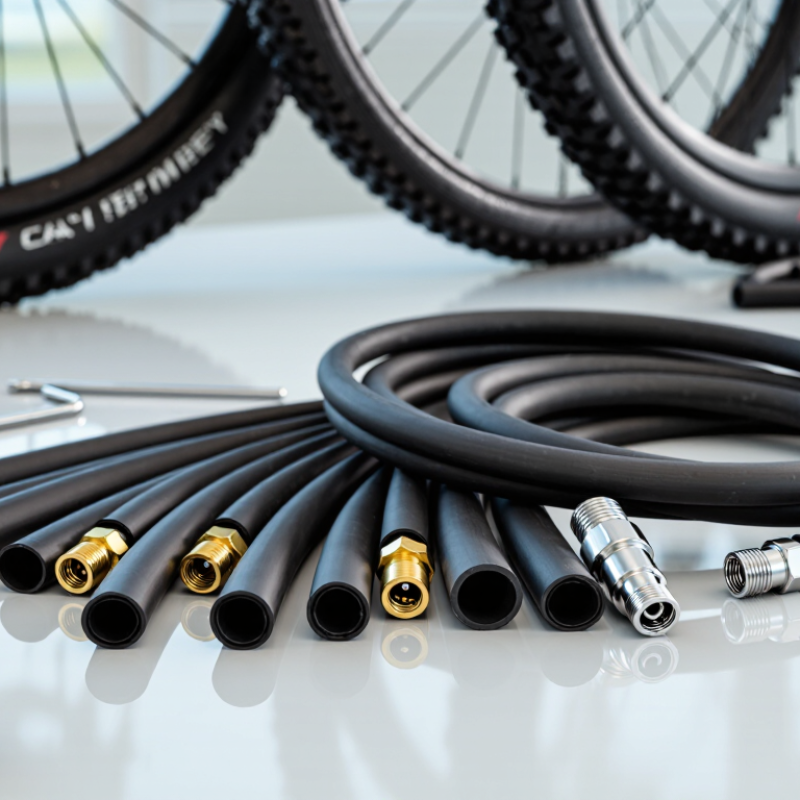
Choosing an e-bike inner tube starts with the tire size, not the motor power. Read the numbers printed on the tire sidewall. A marking such as 26 x 2.10 or 20 x 4.00 shows the wheel diameter and tire width. The ETRTO measurement, such as 54-559, is often more precise. Match both measurements when possible.
The tube should fit the tire’s width range without stretching excessively. A 26-inch tube may suit several widths, but a fat-tire tube needs a much wider range. Check the rim hole before choosing a valve. Schrader valves are wider and common on many utility e-bikes. Presta valves are slimmer and often used with narrow rims. Some rims require a specific valve length. A mismatch can cause air leaks or make inflation awkward.
I once bought the correct diameter but ignored the width. It fitted poorly.
Tips: Remove the old tube and compare it directly. Check valve type, length, and rubber thickness. Inspect the rim tape for sharp edges. Inflate slowly, then confirm the tube sits evenly inside the tire. Follow the tire’s pressure range, not guesswork. Lower pressure can improve comfort, but excessive pressure may increase puncture risk. Carry a compatible spare tube during longer rides.
Choosing an inner tube for an e-bike tire starts with accurate tire measurements. The tube must match both the tire diameter and its width range. Read the numbers printed on the tire sidewall carefully. A tire marked 26 x 2.10 needs a compatible 26-inch tube, not simply any 26-inch option. Width matters too. If the markings look unclear, measure the tire and rim directly. Do not guess.
Valve type and length also affect the fit. A valve should pass cleanly through the rim hole and remain easy to reach. Narrow rims often need a narrower valve base. Wider rims may require a different valve shape. For commuting e-bikes, choose a tube designed for the tire’s pressure range and heavier daily load. A tube that is too thin may pinch under the bicycle’s extra weight. Pressure still matters.
I have made this mistake before. I bought the correct diameter but ignored the tire width. The tube stretched unevenly and failed near the rim. That small detail mattered. During installation, slightly inflate the tube before fitting it. This helps prevent twists and trapped sections. Check that the tube sits inside the tire evenly. Before riding, inspect the valve and inflate gradually. After several minutes, check for bulges or soft spots. I still recheck after the first ride, because a perfect-looking installation can reveal problems later.
Material determines reliability more than a low purchase price. Standard butyl tubes remain practical for commuting because they seal well, tolerate heat, and are easy to repair. Thermoplastic polyurethane tubes are lighter and pack smaller, but installation requires care. A pinched TPU tube can fail quickly.
A 2023 PeopleForBikes industry report recorded over one million e-bikes sold in the United States during 2022. That growing fleet increases demand for dependable replacement parts. It also exposes weak quality control.
Look for the correct wheel size, tire width, valve type, and pressure range. A thicker wall can resist small punctures, but excessive thickness adds weight. For cargo e-bikes, select tubes rated for higher loads and sustained pressure. Check the valve stem base, especially on wide rims. Poor alignment may create a slow leak after several rides.
Reliable manufacturers should provide batch testing, dimensional checks, and clear material specifications. ISO 5775 and ETRTO sizing guidance help prevent unsafe mismatches. However, standards alone do not guarantee consistent production. That point deserves more attention.
Tips: Match the tube to the tire marking, not only the rim diameter. Lightly inflate before fitting. Inspect the rim tape for sharp edges. Test pressure after installation. A pressure gauge is worth carrying.
Manufacturers should sample tubes from every production batch, measure wall thickness, and record leak-test results. That evidence supports trust better than attractive packaging.
Comparing Chinese e-bike inner tube manufacturers requires more than checking the lowest quotation. Start with material details. Ask whether the tube uses natural rubber, butyl rubber, or a controlled blend. Butyl rubber usually offers reliable air retention and stable performance. Request data for wall thickness, valve length, valve type, and compatible tire sizes. A tube that looks correct may still fit poorly around a narrow rim.
Ask each manufacturer for recent sample tubes, not only catalogue photographs. Check the seam by gently stretching it. Examine the valve base for wrinkles, uneven bonding, or exposed rubber. Inflate the sample inside the correct tire and rim. Leave it overnight, then measure pressure loss. This simple test reveals problems that factory claims may hide. It is not a complete laboratory test, but it reflects daily workshop experience.
A dependable supplier should explain its inspection process clearly. Look for incoming rubber checks, valve testing, leak testing, and batch traceability. Request test records linked to production dates and mold numbers. Review packaging before bulk orders. Tubes should remain protected from heat, sunlight, oil, and sharp carton edges. Communication also matters. Slow or vague answers can create costly mistakes later. I once focused too heavily on price and overlooked inconsistent valve placement. That decision caused fitting delays. No factory is flawless, and even detailed comparisons need independent sample testing.
China Best E Bike Inner Tubes How to Choose?
A safe inner tube starts with the correct tire size, valve type, and pressure range. Read the numbers printed on the tire sidewall before buying. Match the tube closely, because a loose fit can fold inside the tire. Check whether the rim uses a short or long valve. The valve must pass through the rim without bending. Inspect the tube for cracks, sticky patches, or uneven rubber. Do not install damaged material.
Switch off the motor system and secure the bicycle before removing the wheel. Release all tire pressure, then remove one tire bead carefully with suitable levers. Avoid sharp tools. Inspect the tire interior with your fingers, slowly and carefully. A small glass fragment may cause another puncture. Check the rim tape, too. Exposed spoke holes can damage a new tube.
Add a little air before installation. The tube should become round, not tight. Insert the valve straight, then place the tube evenly inside the tire. Press the tire bead into position by hand whenever possible. Pinching remains the common mistake. Inflate gradually and inspect both sidewalls for bulges. Stop at the recommended pressure, never the maximum guess. I once rushed this step, and the tube failed during the first ride. Recheck the valve, axle security, and brake clearance before riding. A short test ride can reveal problems that a workshop stand misses.
Choose an inner tube that matches the tire’s diameter and width range, and select the correct valve type and length. The chart shows typical tire pressure ranges by tire width; always use the pressure printed on the tire sidewall as the final reference. During installation, inspect the tube for damage, lightly inflate it before fitting, keep the valve straight, and check that no part of the tube is trapped between the tire bead and rim.
Butyl rubber is practical for commuting. It retains air well, handles heat, and is easier to repair. Low price alone proves little.
No. They weigh less and pack smaller, but installation needs extra care. A pinched tube may fail quickly. Lighter is not automatically safer.
Match the tire size, tire width, valve type, and pressure range. Read the tire sidewall carefully. Do not check rim diameter alone.
Choose tubes rated for higher loads and sustained pressure. Check the valve base on wide rims. Poor alignment can create a slow leak.
Inflate the sample inside the correct tire and rim. Leave it overnight and measure pressure loss. Stretch the seam gently and inspect the valve base.
Request wall-thickness measurements, leak-test results, valve checks, and batch records. Mold numbers and production dates improve traceability. Packaging also needs review.
Switch off the motor system and secure the bicycle. Remove all pressure before opening the tire. Add a little air before fitting the tube.
Pinching the tube, using sharp tools, or ignoring rim tape can cause failure. Inspect the tire interior for glass fragments. I once rushed installation, and the tube failed on the first ride.
Choosing the right E-bike inner tubes is essential for a safe, comfortable, and reliable ride. This guide explains how to identify the correct tube size by matching its diameter and width with your e-bike tire, while also selecting the proper valve type, such as Schrader or Presta. It highlights important materials and features, including durable rubber, strong valve stems, heat resistance, and improved puncture protection.
The article also offers practical advice for comparing Chinese e-bike inner tube manufacturers by evaluating production quality, material consistency, testing procedures, product specifications, and customer support. Before installation, riders should inspect the tire, rim, valve hole, and inner tube for damage or debris. Proper inflation, careful fitting, and a final safety check can help prevent pinching, air leaks, and uneven riding. With the right size, construction, and installation method, an inner tube can provide dependable performance and extend tire service life.