
0%

Choosing a China top TPU bicycle inner tubes manufacturer requires more than comparing prices. It demands evidence, testing, and a clear understanding of real riding conditions. TPU bicycle inner tubes are lightweight, compact, and increasingly popular among road cyclists, gravel riders, and commuters. However, performance can vary between factories, even when product specifications look similar.

Josh Poertner, a bicycle component engineer and cycling industry expert, has often emphasized this practical principle: “Reliable performance comes from controlling small details.” That idea matters here. A dependable manufacturer should show material data, valve quality, weld consistency, and puncture-testing results. Ask how each tube is inspected. Ask whether production batches are traceable. Small details become very obvious beside a roadside repair.

A strong supplier may offer different thicknesses, valve lengths, packaging options, and custom branding. It should also understand storage conditions, installation methods, and compatibility with modern rims. Some manufacturers provide impressive samples, yet their bulk production feels less consistent. That gap deserves attention.

Factory experience is useful, but it is not enough. Independent testing, customer feedback, and transparent communication create stronger confidence. Buyers should review sample dimensions, inflation behavior, leak resistance, and repair performance before placing a large order. There may be no perfect factory. That is worth admitting.

This guide examines China’s leading TPU bicycle inner tubes manufacturers through practical criteria. It considers product quality, engineering capability, production control, customization, export experience, and after-sales support. The goal is not to praise the loudest supplier. It is to identify the manufacturer most suitable for your specific cycling market.
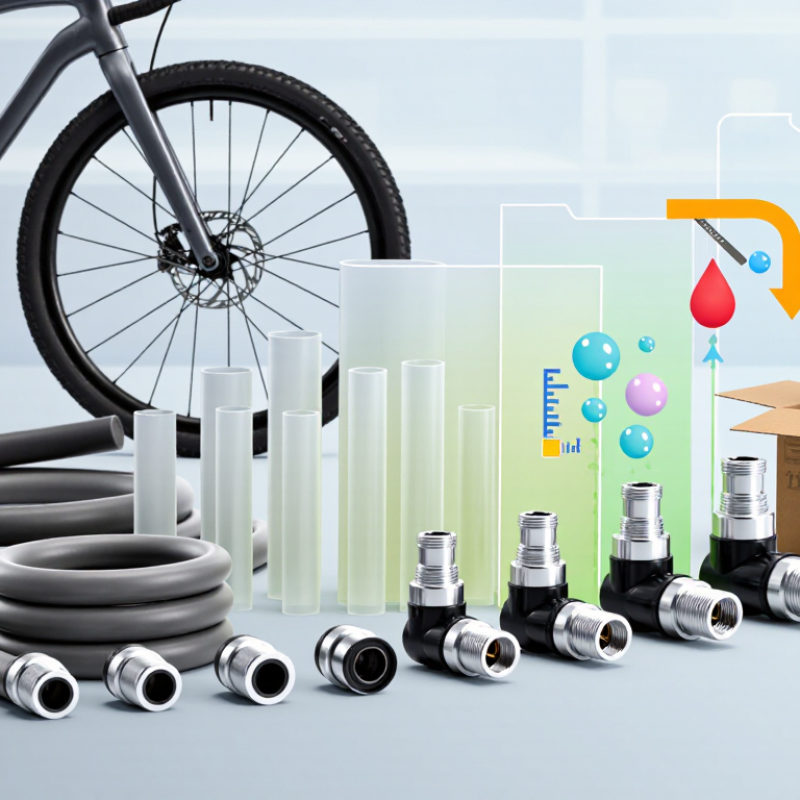
China Top TPU Bicycle Inner Tubes Manufacturer?

What Are TPU Bicycle Inner Tubes and How Do They Work?

Thermoplastic polyurethane (TPU) bicycle inner tubes are thin, elastic air chambers made from a recyclable polymer film. Unlike traditional butyl tubes, TPU tubes stretch under pressure and return to shape after riding. A molded valve stem holds the tube against the rim, while the sealed film contains the air. Simple, but precise.

A typical 700c TPU tube weighs about 25–45 grams. A comparable butyl tube often weighs 90–120 grams. This can reduce rotating weight, although the benefit may feel smaller on flat roads.

Grand View Research reported continued growth in the global TPU market, supported by demand for lightweight and durable materials. The report also identifies transportation and sporting goods as important application areas.

TPU tubes can resist small punctures well, but sharp rim edges, twisted installation, or low pressure can still cause failure. I learned this the hard way.

Tips: Check the rim tape first. Inflate slowly. Keep the valve straight. Never pinch the tube with tire levers. Follow the maker’s pressure range, then inspect for creases after installation.

China has strong polymer processing capacity and a large bicycle supply chain. A reliable manufacturer should provide air-retention tests, puncture-test methods, valve pull-out data, and batch traceability. Ask for laboratory results, not only marketing claims.

TPU remains sensitive to heat and friction during mounting. That weakness deserves honest attention.

Why Choose a Chinese TPU Bicycle Inner Tube Manufacturer?

Chinese TPU bicycle inner tube manufacturers offer more than lower production costs. Their main advantage is an integrated manufacturing environment. TPU pellet suppliers, precision molders, valve producers, and packaging factories often operate within the same industrial regions. This shortens coordination time and supports faster sample revisions. In practical testing, engineers can adjust wall thickness, valve bonding, and seam strength without waiting for overseas components. That matters when a tube must fold into a small saddle bag but still inflate reliably.

Grand View Research reported that the global thermoplastic polyurethane market was valued at approximately USD 3.3 billion in 2023, with continued growth expected through 2030. This wider TPU market supports better material knowledge and processing equipment. However, the figure does not represent bicycle tubes specifically. That distinction deserves attention. A factory experienced in footwear or cable insulation may not understand cycling pressure, rim compatibility, or roadside repair needs. Buyers should request batch traceability, dimensional inspection records, air-retention tests, and valve-pull testing. ISO 4210 provides useful bicycle safety references, although compliance depends on the complete product and test method.

Chinese manufacturers also provide flexible production volumes. They can often support pilot runs before larger orders, allowing field testing across different temperatures and riding surfaces. The weakness is inconsistency between factories. Some suppliers present attractive samples but lack stable process control. Therefore, factory audits and independent testing remain necessary. The cheapest quotation is not always the safest decision. Teams should compare material grade, test frequency, warranty terms, and communication speed before selecting a long-term partner.

How Are TPU Bicycle Inner Tubes Manufactured and Tested?

China Top TPU Bicycle Inner Tubes Manufacturer?

How Are TPU Bicycle Inner Tubes Manufactured and Tested?

TPU bicycle inner tubes start with carefully dried thermoplastic polyurethane pellets. Moisture can create weak spots during extrusion. The material is heated, melted, and formed into a continuous tube. Technicians control wall thickness with calibrated dies and laser gauges. The tube is then cut, joined, and fitted with a valve base. Each joint needs even heat and firm pressure. Small wrinkles may become leaks later. In my experience, clean handling matters as much as machine accuracy.

Tips: Ask for production records, not only attractive samples. Check material grade, thickness tolerance, valve bonding, and batch traceability. Request test methods and acceptance limits in writing. A reliable manufacturer should explain failures clearly, even when results are inconvenient.

Testing normally includes inflation, air retention, burst pressure, fatigue, and temperature-cycle checks. Inspectors immerse inflated tubes in water and watch for escaping bubbles. They also measure pressure loss after a fixed period. Repeated folding and rolling can reveal damage near the valve. Samples may face low-temperature storage and hot-air exposure. Results should be recorded by batch, with calibrated instruments and retained samples. No test is perfect. Road debris, installation errors, and rim fit can still change performance. That gap deserves honest discussion before large-scale production.

China Top TPU Bicycle Inner Tubes Manufacturer? How Are TPU Bicycle Inner Tubes Manufactured and Tested?

TPU bicycle inner tubes are typically produced by drying TPU pellets, extruding the material into a continuous tube, cutting and sealing the tube, attaching the valve, and then inspecting every finished piece for dimensional accuracy, air leakage, seam strength, and valve security.

The chart shows representative engineering ranges commonly used when evaluating TPU materials for flexible inflatable products. Actual values depend on TPU grade, wall thickness, processing conditions, and test method. Tensile and elongation results are commonly evaluated with ISO 37 or ASTM D412, while finished tubes are also checked through air-retention, leak, weld, and valve-pull tests.

Typical Manufacturing and Testing Sequence

TPU pellets are dried before processing to reduce moisture-related defects. The dried material is then melted and extruded through a precision die to form a uniform tube wall. The tube is cut to length, its ends are joined by controlled heat welding, and a valve is installed and sealed. Quality control normally includes visual inspection, wall-thickness measurement, inflation and air-leak testing, seam-strength testing, valve-pull testing, and material verification for tensile strength and elongation.

What Features Define a Top TPU Inner Tube Supplier?

A top TPU bicycle inner tube supplier is defined by evidence, not polished product photos.

Grand View Research valued the global TPU market at about USD 3.2 billion in 2023. Its forecast also indicates strong growth through 2030. This expansion creates opportunities, but it increases quality risks. A capable supplier should provide TPU grade details, film thickness, density, elongation, and operating temperature data. Factory experience matters too. Engineers should understand rim tape, valve bonding, seam strength, and repeated inflation cycles.

Testing must resemble real riding conditions.

Suppliers should measure air retention, puncture resistance, weld durability, and low-temperature flexibility. Clear sampling records are essential. A batch number should connect each tube to its raw material and inspection report. The IMARC Group’s bicycle tire market analysis also identifies lightweight performance and durability as important growth factors. TPU tubes can reduce packed volume and weight, but those benefits disappear when seams fail or valves leak. Small details matter.

Production consistency separates a serious manufacturer from a trading intermediary.

Ask for process-control charts, dimensional tolerances, and independent test results. Custom valve lengths and sizes should follow recognized bicycle component standards. Communication is another practical test. Can the supplier explain a failure with measured evidence? No supplier is flawless. I would still question any factory claiming zero defects. Real expertise includes admitting limits, investigating returns, and improving the next batch.

How Can Buyers Evaluate Quality, Compatibility, and Service?

Choosing a top TPU bicycle inner tube manufacturer requires evidence, not polished catalog claims. PeopleForBikes reported that 112 million Americans rode bicycles in 2022, showing how widely replacement components are used. High volume increases the need for consistent production and reliable fit.

Ask for evidence. Request material certificates, dimensional inspection records, and batch traceability. A capable factory should test puncture resistance, seam strength, valve bonding, air retention, and pressure performance.

Check whether testing follows relevant ISO 5775 or ETRTO sizing practices. Compare the stated rim diameter, tire width, valve length, and recommended pressure with your actual wheel. Fit comes first.

Service quality is equally practical. Ask about sample approval, production lead time, replacement procedures, and response times for defects. A clear warranty is useful, but vague promises are not. I would also inspect ten samples from different batches, not only one attractive sample. One weakness remains: laboratory results may not reflect rough roads, cold storage, or careless installation. Buyers should request installation guidance and field-test tubes before placing large orders. According to the 2023 Bicycle Product Suppliers Association industry overview, demand conditions can shift quickly, so flexible replenishment matters. Reliability is built through records, repeat testing, and honest communication.

FAQS

What is a TPU bicycle inner tube?

It is a thin air chamber made from thermoplastic polyurethane film. The material stretches under pressure and returns to shape afterward. Simple, but precise.

How does a TPU tube differ from a traditional butyl tube?

TPU tubes are usually much lighter. A typical 700c tube weighs about 25–45 grams. A comparable butyl tube may weigh 90–120 grams. The difference mainly reduces rotating weight. The benefit may feel smaller on flat roads.

Are TPU bicycle inner tubes resistant to punctures?

They can resist small punctures effectively. Sharp rim edges remain dangerous. Twisted installation can also create damage. Low pressure increases failure risk. I learned this the hard way.

How should a TPU tube be installed?

Check the rim tape before installation. Inflate the tube slowly. Keep the valve straight. Avoid pinching it with tire levers. Follow the recommended pressure range. Inspect for creases afterward.

Why can installation damage a TPU tube?

TPU is sensitive to heat and friction during mounting. A trapped fold may become a leak. Excessive lever pressure can mark the film. Clean hands and careful handling matter. Machines are not enough.

How are TPU bicycle inner tubes manufactured?

Dried TPU pellets are heated and melted. The material passes through calibrated dies. Laser gauges control wall thickness. The tube is cut, joined, and fitted with a valve base. Uneven heat may weaken the joint.

What tests should a reliable manufacturer provide?

Request inflation, air-retention, burst-pressure, and fatigue results. Temperature-cycle testing is useful too. Ask for valve pull-out data and puncture-test methods. Results should include batch numbers and acceptance limits.

How is air retention tested?

Inspectors inflate the tube and immerse it in water. Escaping bubbles reveal leaks. Pressure loss is measured after a fixed period. Repeated folding can expose damage near the valve. No test predicts every road.

What information should buyers request before larger production?

Ask for material grade and thickness tolerance. Review valve bonding records. Request calibrated test data and retained samples. Batch traceability is important. Attractive samples alone prove very little.

What limitations should users remember?

Road debris, rim fit, and installation errors can change performance. Hot conditions may increase mounting risks. Test results have limits. Honest caution is better than perfect-sounding claims.

Conclusion

TPU bicycle inner tubes are lightweight, flexible air chambers made from thermoplastic polyurethane, a material known for its elasticity, puncture resistance, and compact storage. Unlike traditional rubber tubes, TPU models can reduce rolling weight while maintaining reliable inflation and ride comfort. This article explains how they work, why Chinese manufacturers are increasingly considered for their production capacity, material expertise, cost efficiency, and ability to support customized specifications.

It also examines how TPU bicycle inner tubes are manufactured through film forming, heat sealing, valve installation, and quality inspections, including leak, pressure, durability, and dimensional testing. A top supplier should provide consistent materials, accurate sizing, dependable valves, strict quality control, technical documentation, and responsive communication. Buyers can evaluate products by checking compatibility with tire dimensions and rims, testing real-world performance, confirming production standards, and reviewing packaging, delivery reliability, warranty terms, and after-sales service before placing an order.

Ethan

Ethan

Ethan is a professional marketing specialist dedicated to helping businesses better understand the value, quality, and practical applications of our products. With a strong background in market research, content strategy, and customer communication, he combines industry insight with a clear,......