
Choosing Gravel bike inner tubes from China calls for more than comparing unit prices. A tube must match the tire diameter, width, and valve type, while its packaging and quality checks must suit your market. A low quote can look attractive. It may also hide inconsistent sizing or unclear inspection standards.
Bicycle mechanic and technical writer Sheldon Brown wrote, “The bicycle is a curious vehicle. Its passenger is its engine.” His line is about cycling, not sourcing, but it points to a practical truth: small components affect the whole ride. A poorly matched tube can mean roadside repairs, lost time, and dissatisfied customers.
This guide looks at where to find Chinese suppliers and how to assess them with care. It considers product specifications, sample testing, factory communication, order quantities, lead times, and shipping details. Ask for clear size charts and valve measurements. Then check sample tubes against the tires and rims you actually sell. Useful questions matter.
A supplier’s polished catalog is not proof of consistent production. Request evidence of quality procedures, and compare answers across several vendors. Even careful checks have limits; one sample cannot guarantee every future batch. That part deserves more thought than buyers sometimes give it. The aim is not simply to find the cheapest source, but a dependable partner for the tubes your riders need.
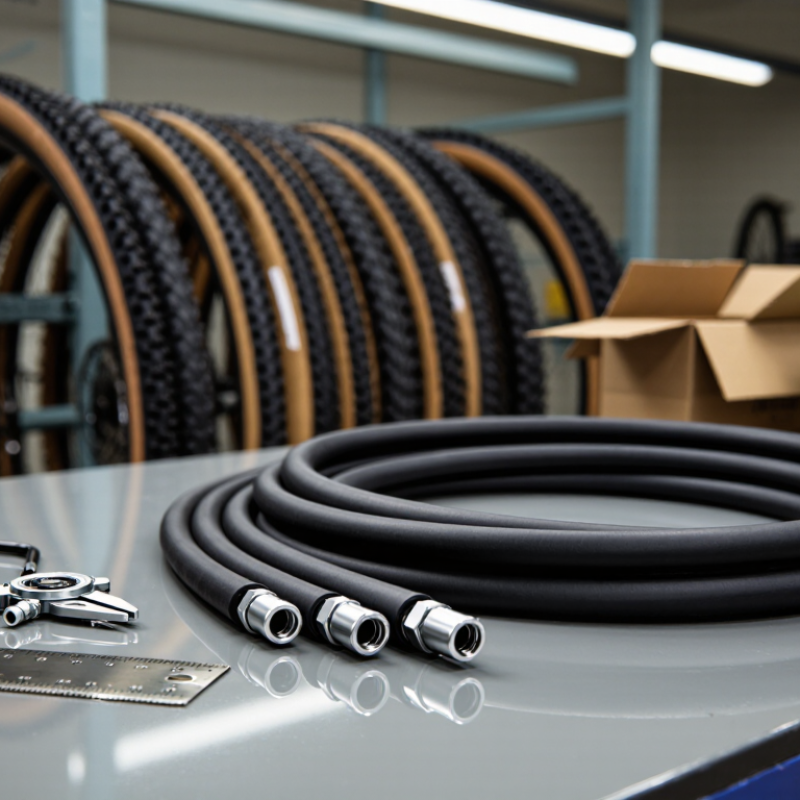
When sourcing gravel-bike inner tubes from China, match the ETRTO bead-seat diameter before comparing price or weight. ETRTO sizing tables identify 700C rims as 622 mm and 650B rims as 584 mm. ISO 5775-1 uses standardized tyre and rim designations, helping buyers compare sizes consistently. These figures describe rim diameter, not tyre width.
Read the full size range printed on each tube. A 622 mm tube must also cover the tyre width, such as 35 mm; a 584 mm tube may need to fit a wider gravel tyre. Check valve type and length against the rim, too. A short valve can be awkward on a deep rim. Small detail. For bulk orders, request samples and measure a few tubes after inflation; packaging labels alone are not proof.
One limitation: listed width ranges can vary between manufacturers, so a perfect catalogue match still deserves a fit check. Cite ETRTO Standards Manual and ISO 5775-1 when confirming specifications with suppliers.
For a gravel bike, tube weight depends on wheel size, tire width, and valve length. Published specifications for common 700c tubes often place butyl models around 100–180 grams, TPU models around 35–60 grams, and latex models around 70–110 grams. These are useful comparison ranges, not guarantees. Check the exact tube’s stated size and weight before buying from a Chinese supplier; a narrow-road tube may not fit a 40 mm gravel tire.
The difference can be noticeable in your hand. A TPU tube may save roughly 60–120 grams per wheel compared with a heavier butyl option, while latex often sits between them. But weight is only one trade-off. Butyl is usually straightforward to patch and holds air well. TPU packs small, though installation needs care to avoid pinching it under the tire bead. Latex feels supple, but it generally needs more frequent inflation. Small gains matter. Sometimes they don’t. I once focused too much on grams and overlooked valve length; checking rim depth would have saved time. Compare published weights for the same tire range, then consider repairability, storage, and your riding conditions.
When ordering gravel-bike inner tubes from China, match the Presta valve to your rim depth, not just the wheel diameter. Cycle-trade technical catalogs commonly list 40, 60, and 80 mm valve stems. Measure from the valve hole to the rim’s outer surface, then allow roughly 10–15 mm for the pump head to grip. A 30 mm-deep rim may leave little room with a 40 mm stem. Too short. ETRTO’s Standards Manual provides standardized rim dimensions, but the actual rim profile still matters; check your wheel’s specifications before choosing.
For a shallow alloy rim, 40 mm often works. A deeper rim may call for 60 mm, while 80 mm suits unusually deep profiles or some rim-and-extension setups. Measure twice. Also confirm the tube’s wheel size and tire-width range, and ask the seller to state valve length in millimeters rather than relying on a product photo. The nominal length is not always the usable length above the rim. That detail is easy to overlook. If your rim sits near the boundary between two options, I would choose the longer stem, provided it fits your pump and does not foul nearby components. Check the listing carefully; tube descriptions can be imperfect.
| Buying Option | Typical Tube Specification | Presta Valve Options | Best Suited For | Checks Before Ordering |
|---|---|---|---|---|
| Direct factory or OEM supplier | Butyl rubber tubes in size ranges matched to the buyer’s wheel and tire requirements; packaging and labeling can often be specified. | 40, 60, and 80 mm are common options. Confirm valve type and measured length on the exact sample. | Repeat orders, custom packaging, and buyers able to confirm specifications and order quantities in advance. | Request samples, dimensional tolerances, material details, quality-control information, minimum order quantity, and written production specifications. |
| Wholesale marketplace supplier | Common listings include 700C tubes for gravel tire widths and 29-inch tubes for compatible larger-volume tires. The printed size range varies by product. | Listings may offer several lengths, but availability can differ by tube size and order quantity. | Comparing multiple suppliers and requesting smaller trial orders, where available. | Check the tube’s marked size range, valve length, valve base style, sample policy, shipping terms, and whether the listed supplier is the actual manufacturer. |
| Sourcing or export agent | Specifications are agreed with the selected producer; the agent may coordinate sampling, inspection, consolidation, and export arrangements. | Specify 40, 60, or 80 mm Presta valves in the purchase specification rather than relying on a general listing. | Buyers who need help coordinating supplier communication, inspection, or shipment consolidation. | Clarify service fees, inspection scope, product traceability, responsibility for defects, and who handles export documentation. |
| 700C gravel tube configuration | Choose a marked range that covers the tire’s actual width, such as a tube labeled 700 × 35–43C for a tire within that range. | 40 mm often suits shallow rims; 60 mm may suit moderately deep rims; 80 mm can help with deeper rims. Measure the rim before choosing. | Many gravel bikes using 700C wheels, provided the tire width falls within the tube’s marked range. | Match the tube range to the tire marking. Allow enough valve to project beyond the rim for secure pump-head engagement. |
| 29-inch gravel or mixed-surface configuration | Select a tube whose printed width range includes the tire; 29-inch and 700C tubes can have similar bead-seat diameters, but width compatibility still matters. | Choose valve length according to rim depth, not wheel diameter. A deeper rim may require a longer valve. | Compatible 29-inch tires and wheelsets used for mixed-surface or bikepacking setups. | Confirm the tire’s sidewall size and the tube’s stated range; do not assume every 29-inch tube fits every gravel tire. |
| Presta valve length selection | Valve length is measured from the rim-facing base to the valve tip; rim depth and any valve extender affect practical pump access. | 40 mm: commonly suitable for shallow rims. 60 mm: useful for many mid-depth rims. 80 mm: suited to deeper rims where extra valve projection is needed. | Riders matching a tube to a specific rim depth and pump setup. | As a practical check, the valve should project far enough beyond the rim for the pump head to attach securely. Verify the rim’s actual depth and the supplier’s stated valve measurement. |
| Order evaluation | Compare equivalent tube sizes, materials, valve specifications, packaging, and shipment terms rather than comparing listing titles alone. | Ask suppliers to identify the valve length for each tube size and provide a sample or clear specification sheet. | Shortlisting suppliers before a bulk purchase. | Request a written quotation with quantity, unit price, sample cost, production lead time, shipping terms, and any inspection requirements. Prices and minimum quantities vary by specification and supplier. |
When sourcing gravel bike inner tubes from China, evaluate the factory’s quality controls, not just its quoted price. Ask for an ISO 9001 certificate and check that it covers the actual production site and relevant manufacturing activities. Confirm the certificate is current with the issuing certification body. Paperwork is not proof of consistent tubes.
Request batch-level inspection records for the tube type you plan to order. Useful checks include wall thickness, valve fit, dimensions, and leak testing. Records should show dates, sample sizes, inspection results, and the production lot number. Ask how rejected items are handled and whether the factory can trace a sample tube back to its batch. A tidy spreadsheet can still leave gaps, so compare records with a recent sample order. One inspection cannot predict every shipment.
Tips: Ask for a redacted QC report from a recent batch, plus a sample with matching lot details. Check that the valve sits straight and the tube holds air overnight. If the supplier cannot explain a test result clearly, pause and ask again. I would not treat ISO certification alone as a guarantee; it is one useful part of a broader supplier check.
When sourcing gravel bike inner tubes from China, compare the minimum order quantity for each specification, not just the headline price. Tube size, valve type, valve length, and packaging can change the MOQ. Ask whether mixed sizes count toward one order, and request a written breakdown. Details matter. A sample can confirm fit and valve quality, but it will not prove every production batch is consistent.
Incoterms shape who arranges transport and where responsibility changes hands. With FOB, confirm the named port and which origin charges are included. CIF may include sea freight and insurance to the destination port, but not necessarily unloading or local handling. DAP and DDP place different delivery and import obligations on the seller. Read the named place carefully. One overlooked fee can alter the comparison.
Freight depends on shipment size, route, timing, and whether you choose air or sea transport. Request carton dimensions and gross weight before estimating costs; tubes are compact, yet packaging adds volume. Build a landed-cost estimate per sellable tube: product price, freight, insurance, import charges, customs brokerage, and destination fees. Rates and duties vary by destination, so verify them with a qualified shipping or customs provider. Leave room for inspection and occasional defects. The cheapest quote may not stay cheapest.
Compare order size, Incoterms, and estimated logistics-inclusive cost before choosing a sourcing option.
How to read this: This illustrative planning model assumes a factory price of $2.00 per tube. It compares FCA air freight for 500 tubes, FOB LCL sea freight for 2,000 tubes, and FOB FCL sea freight for 10,000 tubes. Estimated logistics costs are $1.10, $0.48, and $0.32 per tube, respectively. Totals exclude import duty and VAT; freight figures are assumptions, not live quotes. Actual MOQ, shipping charges, and Incoterm availability vary by supplier, product volume, route, and destination. Request a shipment-specific quote before ordering.
Confirm it is current with the issuing certification body. Check that it covers the actual production site and relevant manufacturing activities. It is not a guarantee of consistent tubes.
Ask for inspection records matching your tube type and production lot. They should show dates, sample sizes, results, and checks such as wall thickness, dimensions, valve fit, and leak testing.
Request a recent sample with matching lot details. Check that its valve sits straight and that it holds air overnight. One sample cannot predict every shipment.
Ask how rejected items are handled and whether a sample tube can be traced back to its batch. A neat spreadsheet may still leave gaps. I could be over-trusting tidy paperwork.
Tube size, valve type, valve length, and packaging can change the minimum order quantity. Ask whether mixed sizes count together, and request a written breakdown.
Check the named place and which transport or origin charges are included. FOB, CIF, DAP, and DDP assign different delivery responsibilities. Read the details carefully.
Include product price, freight, insurance, import charges, customs brokerage, and destination fees. Also allow for inspection and occasional defects. Details matter.
Request carton dimensions and gross weight before comparing air and sea options. Shipment size, route, and timing affect freight. The cheapest quote may not stay cheapest.
Choosing the right Gravel bike inner tubes from China starts with matching the tube’s ETRTO size to your wheel: 622 mm for 700C or 584 mm for 650B. Compare butyl, TPU, and latex options using published weight data, while considering the balance of weight, durability, and intended riding conditions. Check that the Presta valve length suits your rims; common choices are 40, 60, and 80 mm.
Before placing an order, review the factory’s ISO 9001 certification and ask for batch quality-control records. Compare minimum order quantities, Incoterms, freight charges, and estimated landed cost rather than relying on the unit price alone. These checks can help you assess suppliers consistently and choose tubes that meet your specifications and purchasing requirements.