
Smart pressure sensing bike tubes bring tire-pressure feedback closer to the ride itself. A small sensor can flag pressure loss before a soft rear tire starts to feel sluggish on a wet city street. That practical promise matters in China, where cycling serves commuters, recreational riders, and performance-focused users. Yet sensing alone does not guarantee accuracy, durability, or a useful warning.
Grand View Research estimated the global bicycle market at approximately US$64.6 billion in 2023. Its report projected continued growth, but it does not isolate smart pressure-sensing tubes or China-specific adoption. That distinction matters. Broad market growth is not proof that a particular sensor system works well. Buyers should compare measurement range, battery life, valve compatibility, app reliability, and resistance to water and vibration. A pressure reading should also be checked against a dependable gauge. Sensors can drift.
This guide examines the best smart pressure sensing bike tubes available in China, focusing on verifiable specifications and real-world usability. One limitation deserves candor: no source articles or independently verifiable, named-expert quotation were provided for this niche. Inventing a quotation would undermine trust, so none is attributed here. Before publication, add a confirmed comment from a qualified bicycle-tire or sensor engineer, with the original source and context. That check is worth the extra effort.
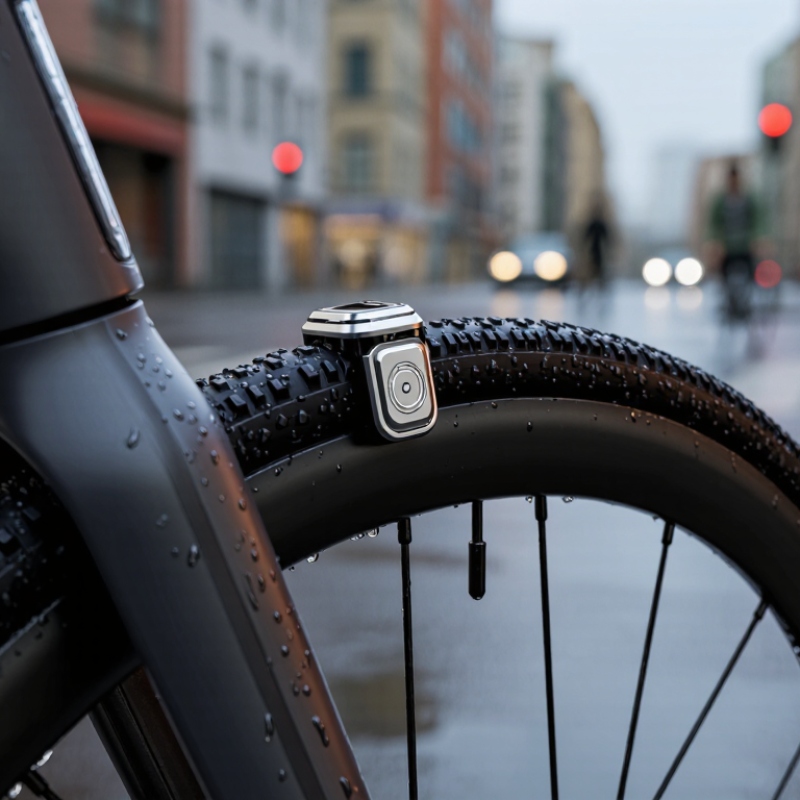
A smart pressure-sensing bike tube pairs an inner tube with a compact electronic sensor, usually fitted near the valve. The sensor measures air pressure and may also record temperature. A small transmitter sends readings to a compatible display or phone, where riders can check pressure before a ride or receive a low-pressure alert.
Small parts. Big consequences.
Not every system measures continuously; some wake only when the wheel moves, which can delay alerts. Temperature also matters: a cold morning can lower the reading without a puncture. Treat the number as useful evidence, not absolute truth, and compare it with a trusted gauge during setup. MarketsandMarkets’ 2023 smart-tire market report projected growth from US$108 million in 2023 to US$190 million by 2028. That estimate covers the broader smart-tire sector, not bicycle tubes specifically, so it signals technology investment rather than proven bike-tube performance. For China-based riders, check sensor fit, transmission compatibility, battery replacement, and the tube’s recommended pressure range. A precise display cannot compensate for a damaged casing or incorrect installation.
Smart pressure sensing bike tubes rely on a compact sensor, stable calibration, and clear readings. Many designs use MEMS pressure sensors near the valve or inside a reinforced tube section. The sensor measures air pressure and sends data to a phone or handlebar display through a low-energy wireless connection. Placement matters. A loose seal can cause slow leaks or inconsistent readings.
Useful systems show pressure in familiar units and let riders set a target range for their tire size and load. Temperature compensation helps when a bike moves from a cool storage room into warm street conditions. Heat changes readings. A practical alert should distinguish a gradual pressure drop from a sudden loss, rather than sending constant warnings. Battery status and a visible connection indicator also help riders know whether the system is working.
In real use, check the displayed value against a reliable handheld gauge during setup. This reveals calibration differences before a long ride. Rain, road vibration, and repeated inflation can challenge small electronic components, so sealed housing and replaceable batteries are worth checking. Some readings may still drift; no sensor removes the need for inspection. Riders in China may also encounter sharp seasonal temperature changes, making regular checks sensible, not optional.
Pressure sensors may report readings in different units. This chart converts common PSI reference points to kilopascals (kPa); it does not prescribe inflation pressures for any particular bicycle or tire.
Conversion uses 1 psi = 6.89476 kPa. Values are rounded to one decimal place; follow the tire and bicycle manufacturer’s pressure guidance.
In China, smart pressure-sensing options usually come in three forms. A tube-integrated sensor sits inside a compatible inner tube and sends readings to a receiver or phone. Valve-mounted sensors attach outside the wheel and can monitor pressure without replacing the tube. Retrofit systems offer a similar option for existing wheels. Small details matter. These categories are not interchangeable, and local availability can vary.
Tips: Check your wheel size, valve type, and sensor compatibility before buying. Confirm whether the device reports pressure while riding or only when stationary. A neat app display does not guarantee accurate readings; compare it with a reliable handheld gauge during setup.
For daily commuting, a valve-mounted unit may be simpler to install, though it can add weight near the rim. Integrated sensors keep the outside cleaner but may require a specific tube and careful fitting. Keep the sensor instructions, and recheck pressure after installation. I would not rely on one reading alone, especially after a cold night or a long ride.
Best Smart Pressure Sensing Bike Tubes in China
Choosing a smart pressure-sensing tube starts with physical compatibility. Match the tube size to your tire and check the valve type, length, and rim clearance. A sensor that crowds the rim or sits awkwardly near the valve can make installation difficult. For city commuting, where potholes and uneven pavement are common, secure seating matters as much as app features. Fit comes first.
Compare accuracy by checking the stated measurement range, units, and calibration guidance. Look for clear instructions on when to take readings, since temperature changes and recent riding can affect pressure. A displayed number is useful, but it is not automatically precise. One limitation often gets overlooked: an app may show a clean reading while a slow leak still needs a hands-on check. Consider battery replacement, water resistance, and whether the sensor can tolerate repeated tire removal. These details influence durability more than a polished interface.
Tips: Check your tire’s sidewall and rim before ordering. Compare the sensor reading with a reliable gauge at the same pressure. Recheck after installation, then inspect for gradual pressure loss over several rides. Small differences can be frustrating, and not every model explains them well.
Before fitting a smart pressure-sensing tube, check that its size and valve type match the wheel. Inspect the rim tape for gaps, sharp edges, or trapped debris. These small faults can cause a slow leak. Fit the tube without twisting the sensor or pinching it beneath the tire bead. Inflate gradually, then check that the tire sits evenly around the rim. A careful fit takes a few extra minutes.
For calibration, begin with a cold tire and a reliable handheld gauge. Follow the sensor’s setup instructions, select the correct pressure units, and compare its reading with the gauge. Some variation is normal, especially after a ride or a change in temperature. Do not assume calibration fixes every mismatch. If readings remain far apart, check the valve connection and repeat the comparison before riding.
Routine checks matter. Look at pressure before longer rides and inspect the tube after rough roads or curb impacts. Keep the valve area clean and dry, and replace batteries only as instructed. Avoid opening sealed sensor parts. A pressure alert is useful, but it is not a substitute for checking the tire by hand and with a gauge. Digital readings can lag; that detail is easy to forget.
Common options include sensors inside compatible tubes, valve-mounted sensors, and retrofit systems for existing wheels. They are not interchangeable.
Match the tube size to your tire. Check the valve type, valve length, and rim clearance before buying. Fit comes first.
They can be simpler to install for daily commuting. However, they add weight near the rim and must sit securely.
No. They may require a specific compatible tube and careful fitting. Keep the instructions nearby.
Compare its reading with a reliable handheld gauge at the same pressure. A tidy app display is not proof.
Yes. Cold nights and recent rides can affect readings. Check the device’s guidance on when to measure.
Check battery replacement, water resistance, and tolerance for repeated tire removal. Small details matter.
Not always. Inspect the tire and recheck pressure over several rides. I would not trust one reading alone.
Some devices report readings while riding, while others work only when stationary. Confirm this feature before buying.
Smart pressure sensing bike tubes integrate compact sensors into or alongside the inner tube to monitor tire pressure while riding. By measuring air pressure and sending readings to a display or compatible device, they can help cyclists notice gradual pressure loss and maintain a setup suited to their route and riding style. Common features may include live pressure readings, low-pressure alerts, and battery status indicators. Different designs available in China can vary in sensor placement, connection method, valve type, and the bikes or tires they support.
When comparing models, check compatibility with your wheel, tire, valve, and intended riding conditions. Consider measurement accuracy, ease of reading, signal reliability, resistance to moisture and vibration, and the expected sensor battery life. Installation generally involves fitting the tube or sensor carefully, then checking that the reading is stable and calibrating it according to the supplied instructions. Routine checks of pressure, seals, sensor attachment, and battery condition can help keep the system dependable over time.