
0%

Cyclocross inner tubes face a difficult job. They must survive mud, roots, sharp stones, hard landings, and rapid pressure changes. A lightweight tube may feel lively on frozen grass, yet fail after one careless rim strike. A thicker tube offers reassurance, but can add rotating weight. Small choices matter.

Industry evidence supports this practical tension. The PeopleForBikes 2024 Economic Impact Report shows cycling remains a significant global consumer activity, while Circana’s bicycle-market tracking highlights continued pressure on component value and replacement decisions. The UCI Cyclo-cross Regulations also confirm the sport’s demanding race environment, including varied terrain, barriers, and repeated dismounts. These sources do not rank tubes directly. They do explain why durability, compatibility, and serviceability deserve careful attention.

Jan Heine, publisher of Bicycle Quarterly and a respected bicycle-tire specialist, has stated, “The tires are the most important component of your bike.” His point applies strongly to cyclocross, where tire pressure can change grip within seconds. The tube is hidden inside, but its consequences are visible.

This guide compares seven Cyclocross inner tubes for global buyers. It considers valve length, tube material, puncture resistance, weight, sizing accuracy, and regional availability. Brand claims are not enough. A 700c tube labeled “cross-ready” may still pinch flat on a rocky course. That is an uncomfortable limitation. No single tube suits every rider, wheel, or climate. Buyers should check rim depth, tire width, pressure range, and replacement access before ordering. A little caution prevents a long walk back.
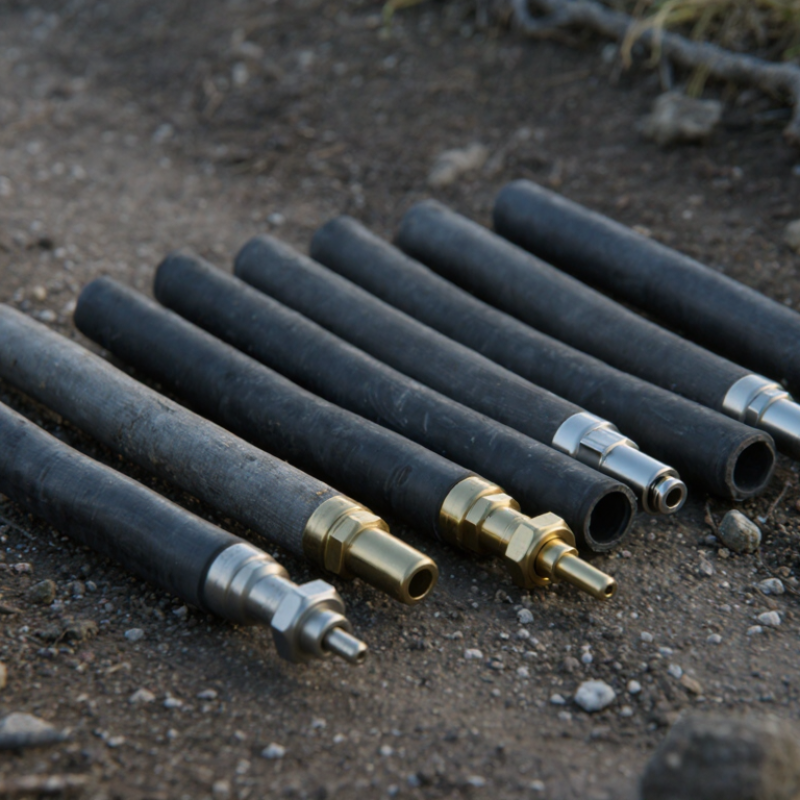
7 Best Cyclocross Inner Tubes for Global Buyers

What Makes a Cyclocross Inner Tube Suitable for Global Buyers

A suitable cyclocross inner tube must fit varied markets, wheels, climates, and riding habits. The UCI Cycling Regulations limit cyclocross tyres to 33 mm in international competition. Therefore, buyers should match the tube with the tyre’s marked ISO size, not only its advertised width. ETRTO sizing guidance remains more reliable than vague labels such as “universal.”

A tube for 700 × 32–35C should sit evenly inside the casing, without folds near the valve.

Valve choice also matters. Presta valves suit narrow rims and common cyclocross wheelsets, while Schrader valves remain practical for wider touring rims. Check valve length against rim depth. Ten millimetres of exposed thread is usually enough for secure inflation.

The 2024 PeopleForBikes participation report recorded about 112 million American cyclists, showing broad demand, but one market’s wheel standard cannot represent every buyer.

Global listings need clear millimetre sizes, valve types, and pressure guidance.

Butyl tubes offer stable storage and usually tolerate shipping heat better than latex tubes. That matters when parcels cross deserts, warehouses, and humid ports.

Examine wall thickness, seam quality, and the valve base before installation. A light tube may reduce rotating mass, yet it can demand more careful fitting.

I have found that “puncture resistant” is often too imprecise.

Some choices remain debatable. Buyers should also inspect manufacturing dates, packaging damage, and compatibility with rim tape, because a perfect tube still fails against a sharp spoke hole.

Key Specifications: Size, Valve Type, Material, and Weight

7 Best Cyclocross Inner Tubes for Global Buyers

Choosing a cyclocross inner tube starts with size, not appearance. Most racing wheels use 700c tubes, often supporting widths from 28 to 35 millimeters. Check the tire sidewall and rim width before ordering. A tube that stretches too far may feel thin and vulnerable. One that is too large can fold inside the tire.

Valve type matters across markets. Presta valves suit narrow rims and provide precise pressure adjustment. Schrader valves are wider and often easier to find outside cycling shops. Measure the valve length, especially with deep-section rims. Material changes both ride feel and price. Butyl tubes offer dependable sealing and simple repairs. TPU tubes are lighter and compact, but installation requires care. Latex tubes can feel lively, though they lose air faster. Weight also affects packing and acceleration. Lightweight options can weigh below 100 grams, but durability may suffer on rough courses.

Tips: Carry a tube matching your actual tire size, plus tire levers that will not pinch it. Inspect the valve base before mounting. I have sometimes rushed this step and caused a slow leak later. For international buyers, confirm metric sizing, valve standards, and storage temperature. Product charts are useful, but they are not always complete. Test one tube before buying several.

This chart compares representative cyclocross inner-tube specifications commonly available to global buyers. Weight varies with tube size and material: TPU tubes are generally lighter, while conventional butyl tubes offer broader compatibility and durability. Presta valves are the most common choice for modern cyclocross wheelsets.

Seven Top Cyclocross Inner Tube Options by Riding Need

7 Best Cyclocross Inner Tubes for Global Buyers

Seven Top Cyclocross Inner Tube Options by Riding Need

Cyclocross riders face mud, gravel, roots, and rapid pressure changes. PeopleForBikes’ 2023 participation report recorded 112 million U.S. riders in 2022. That broad audience needs more than one tube design. A practical selection starts with riding conditions, wheel size, valve length, and repair access.

For race-day speed, a lightweight latex tube can reduce rolling resistance. It also needs frequent pressure checks. For training and daily racing, standard butyl offers dependable sealing and easier installation.

Technical courses favor a slightly thicker butyl tube, especially near sharp stones and exposed roots. Lower pressures improve grip, but pinch flats become more likely. Race day differs.

Riders traveling internationally may prefer compact TPU tubes. They save luggage space and work well as emergency spares. However, installation requires careful handling and compatible patches.

Cold-weather events benefit from durable butyl, because its performance changes less during temperature drops. Mixed-terrain riders should choose a balanced tube rather than the lightest option. Grand View Research’s 2024 bicycle market report projects continued global market growth, reflecting varied riding environments and equipment needs.

My workshop experience suggests checking the spare before departure, not after the puncture. Some recommendations remain course-dependent.

How to Compare Durability, Puncture Protection, and Performance

7 Best Cyclocross Inner Tubes for Global Buyers

How to Compare Durability, Puncture Protection, and Performance

A reliable cyclocross inner tube must survive mud, gravel, roots, and sharp rim impacts. Durability depends on rubber quality, wall thickness, valve strength, and storage conditions. Standard butyl tubes usually offer balanced service life and stable performance across different climates. Latex tubes can feel faster and more flexible, but they need frequent pressure checks. That trade-off matters.

Puncture protection requires more than thick rubber. Reinforced tubes resist small thorns and pinch flats, while lighter tubes may reduce rotating weight. However, extra material can make installation harder and slightly dull the ride. Check the valve base carefully, especially after repeated inflation. A damaged valve often ends a ride before the tread shows any problem.

Performance is measured through rolling feel, pressure stability, and handling on uneven ground. Lower rolling resistance can improve acceleration through muddy corners. Still, very low pressure increases rim strikes and sidewall stress. Choose a tube that matches your tire width, rim depth, and usual terrain. Regional temperature changes also affect pressure and rubber flexibility.

A careful comparison should include weight, puncture design, repairability, and price over time. Do not trust weight alone. My own buying preference is practical, yet not perfect: a slightly heavier tube may deliver fewer roadside repairs. Installation quality also matters; trapped tube material can cause an avoidable failure. Test pressure gradually before race day.

Buying Considerations for Different Regions and Budgets

Choosing cyclocross inner tubes depends heavily on local riding conditions, wheel standards, and budget. In wet European courses, a durable butyl tube can handle mud, sharp roots, and repeated remounts. Riders in colder regions should check flexibility near freezing temperatures. Some lightweight tubes become harder to install safely in cold weather. That matters.

Valve length also deserves attention. Deep rims may require longer valves, while standard rims usually need shorter ones. Confirm the wheel size and tire range before ordering. A tube that is too narrow may stretch excessively and increase installation risk. A slightly wider option can be more forgiving during roadside repairs.

Budget changes the sensible choice. Entry-level tubes suit training, commuting, and riders who carry a spare. Mid-range models often offer better weight, seam consistency, and puncture resistance. Premium lightweight tubes reduce rotating mass, but they need careful fitting and frequent pressure checks. They are not automatically faster on rough courses. In my own maintenance checks, small pinches often came from rushed installation, not poor tube quality. I still occasionally choose the wrong size when packing quickly. That is worth remembering.

Buyers in remote regions should prioritize dependable availability and simple repair procedures. A common tube size may be more useful than a specialized model with limited local stock. Check import fees, return policies, and storage conditions before buying several tubes. Heat inside warehouses can weaken rubber over time. Keep spares cool, dry, and away from direct sunlight.

FAQS

How should buyers match a cyclocross inner tube to a tyre?

Match the tube to the tyre’s marked ISO size, not just its advertised width. A 700 × 32–35C tube should sit evenly inside the casing. Avoid folds near the valve. Check twice.

Which valve type suits different cyclocross wheels?

Presta valves usually suit narrow rims and common cyclocross wheelsets. Schrader valves can work better with wider touring rims. Measure rim depth before ordering. About 10 millimetres of exposed thread is usually enough.

How should global buyers choose tubes for changing climates?

Butyl tubes usually tolerate storage heat and long shipping better than latex tubes. They remain practical across cold events, humid ports, and hot warehouses. Latex may feel faster, but pressure checks become more frequent. That trade-off is easy to underestimate.

Which tube is suitable for race-day speed?

A lightweight latex tube may reduce rolling resistance and improve acceleration. It demands careful fitting and frequent pressure checks. A standard butyl tube is less delicate for training and repeated racing. The lightest option is not always the fastest overall.

What tube works best on muddy and technical courses?

A slightly thicker butyl tube offers better resistance near sharp stones and exposed roots. Lower pressure can improve grip on muddy corners. It also increases pinch-flat and rim-strike risk. Race day differs.

Are compact TPU tubes useful for international travel?

Compact TPU tubes can save luggage space and serve as emergency spares. They require careful installation and compatible patches. Test the spare before departure, not after a puncture. I would not treat every TPU tube as universally compatible.

How can buyers compare puncture protection and riding performance?

Compare wall thickness, weight, valve strength, repairability, and pressure stability. Reinforced tubes may resist thorns and pinch flats better. Extra material can make installation harder and slightly change the ride feel. Do not trust weight alone.

What installation checks help prevent avoidable failures?

Inspect the seam, valve base, rim tape, and packaging before fitting. Make sure no tube material is trapped beneath the tyre bead. Inflate gradually and check for bulges or uneven seating. A perfect tube can still fail against a sharp spoke hole.

Conclusion

Choosing the right Cyclocross inner tubes can significantly improve comfort, control, and reliability across varied terrain and weather conditions. This guide explains what makes an inner tube suitable for global buyers, focusing on essential specifications such as wheel size, tube width, valve type, material, and weight. It also presents seven practical options matched to different riding needs, including lightweight racing, everyday training, rough courses, and improved puncture resistance.

To compare products effectively, riders should consider durability, protection against flats, rolling performance, installation ease, and compatibility with their wheels and tires. Regional factors such as climate, road conditions, availability, shipping, and local pricing may influence the best choice. By balancing performance requirements with budget and replacement access, cyclists can select dependable Cyclocross inner tubes that offer the right combination of weight, resilience, and value for their riding environment.

Amelia

Amelia

Amelia is a professional marketing specialist with a strong understanding of customer needs, market trends, and effective digital communication. As a valued member of the company, she combines strategic thinking with practical product knowledge to create clear, useful, and engaging content for a......